

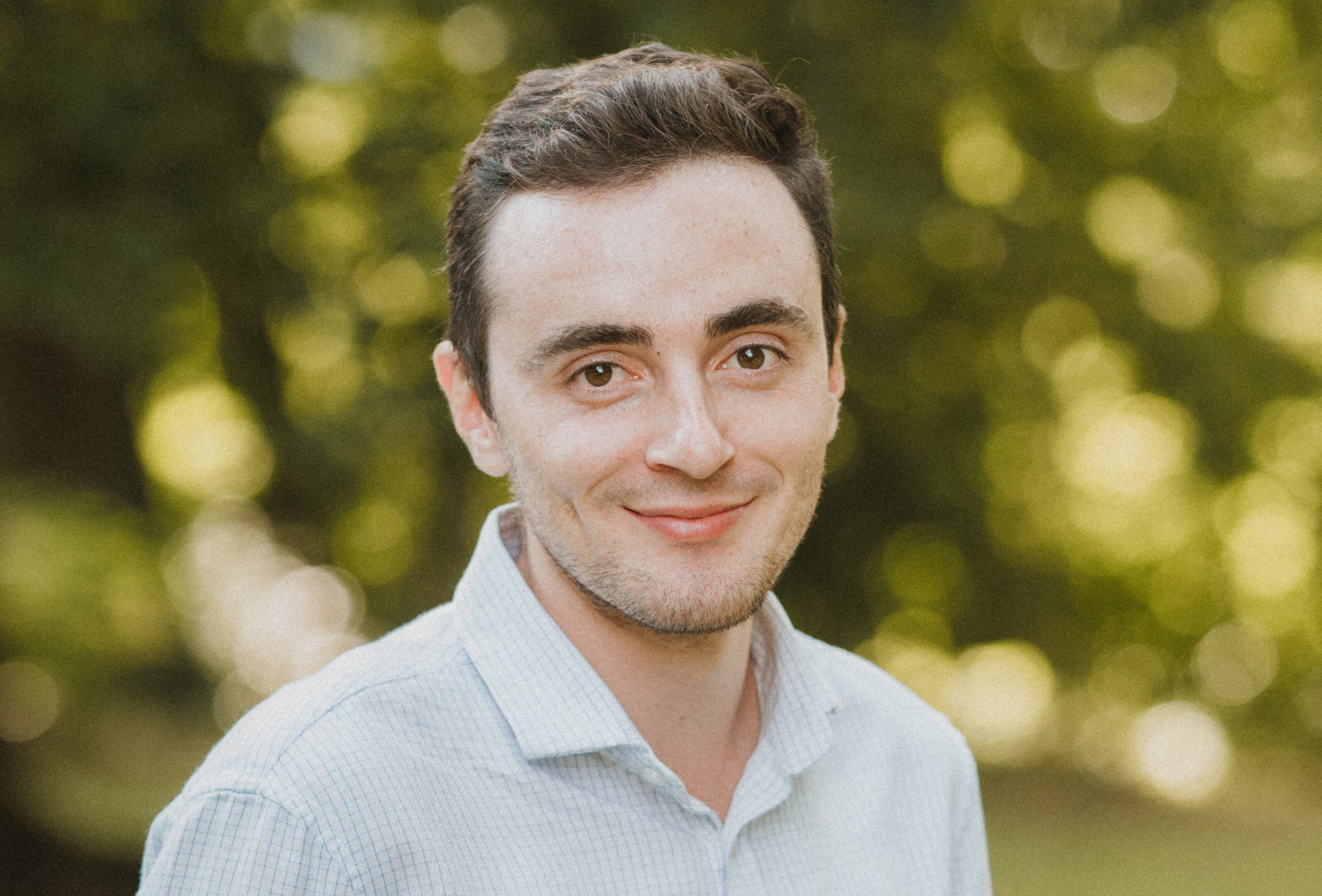
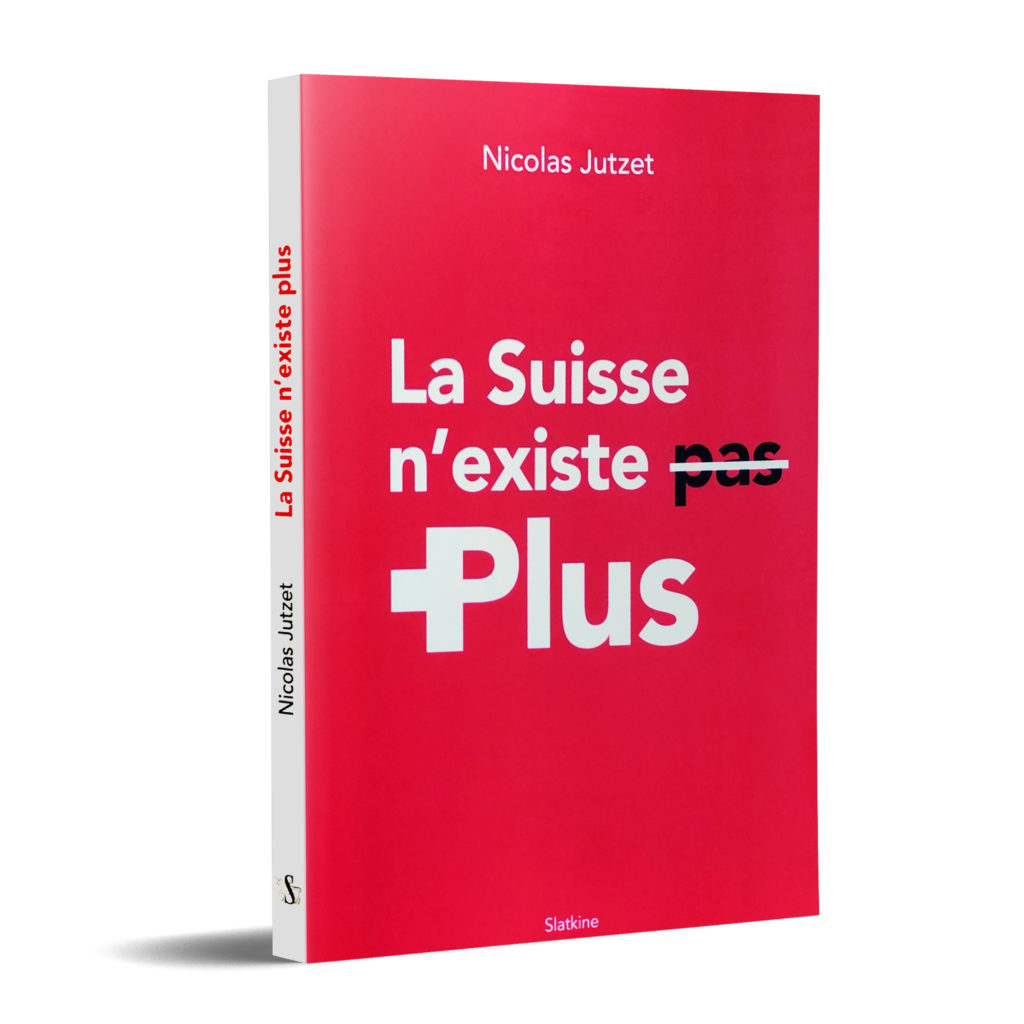
Militia system, productivity, neutrality... In his essay Switzerland no longer exists, Nicolas Jutzet, project manager at the Institut libéral, shows that the idea we have of this democratic and economic model no longer really reflects reality.
The ingredients of Switzerland's recipe for success are no longer readily available - and the country risks losing its coveted international standing by resting on its laurels. This could be the summary of the first essay by Nicolas Jutzet, a young intellectual from Neuchâtel who studied economics at the University of St. Gallen, and now lives in Berne after spending a year in Paris. And it's not because the co-founder of the Liber-thé platform is a regular feather of the Regard Libre and one of the key people in his associative development that his book Switzerland no longer exists should have been here. Anyone who has spoken with him will tell you: this man is of rare intelligence. And he puts it to good use in a noble cause, above and beyond his remunerated activities: to move debates forward, even if it means upsetting conventional wisdom.
The findings of the former standard-bearer of the «No Billag» campaign in French-speaking Switzerland are powerful. The managers of Switzerland's major companies are increasingly foreign (96.3% today, compared with 50% in 1989). They don't know the country well, which contributes to a distancing of the economy from politics, something the former figurehead of the Young Liberal-Radicals regrets. Politics is becoming increasingly professionalized:
«Today, the work of a parliamentarian in the strict sense (preparation for and participation in plenary and committee meetings) corresponds to a median annual activity rate of 50-60%.»
In fact, only 2% of federal elected representatives consider themselves to be militia politicians. Given that Swiss institutions are underpinned not only by the militia system (which needs to be put into perspective), but also by federalism (which is increasingly undermined by the centralization of tasks in Berne), could direct democracy, the third and final pillar of the Swiss system, rebuild the other two?
Read also | Nicolas Jutzet: «Valérie Pécresse has something of Hillary Clinton about her, only worse».»
The author not only provides an in-depth diagnosis of Switzerland as it is today, but also makes proposals for improving the democratic practice of the confederates. For example, the essayist would welcome the introduction of a dose of lottery into the electoral system. If a party were to win two seats on the National Council, it would no longer be the first two candidates on the list who would be elected, but two people drawn at random from among the candidates on the list. This model, while preserving the competence of candidates elected internally by the parties and the fact that the people vote for the ideas they feel are best represented by a given party, would reduce the possibility of making a career in politics.
For Nicolas Jutzet, it's a question of ensuring the survival, indeed the revival, of the civic flame - analogous to entrepreneurial commitment - that has carried this country for so long. It's probably not too late.
Write to the author: jonas.follonier@leregardlibre.com
You have just read a review from our print edition (Le Regard Libre N°100).
CONTEST! Not yet subscribed to Regard Libre? Choose a subscription formula and indicate «Competition» in the order notes to receive a free copy of Nicolas Jutzet's book. You can also write to us at redaction@leregardlibre.com.
For existing subscribers:
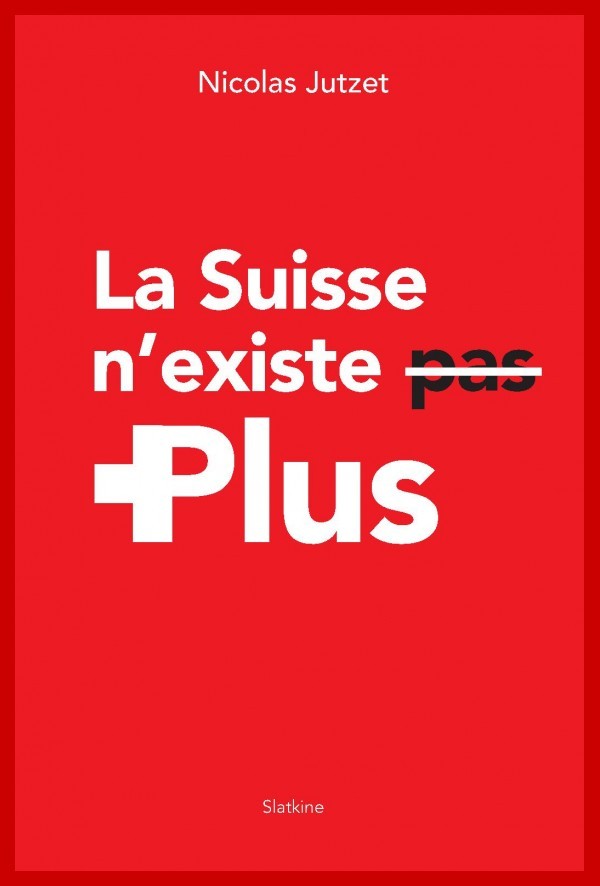
Nicolas Jutzet
Switzerland no longer exists
Editions Slatkine
August 2023
152 pages
 French
  German
  English