Since the French Revolution, democracy has often been contested in its representative form, and has never completely erased the authoritarian aspirations of certain schools of thought. Yet direct democracy has not escaped criticism.
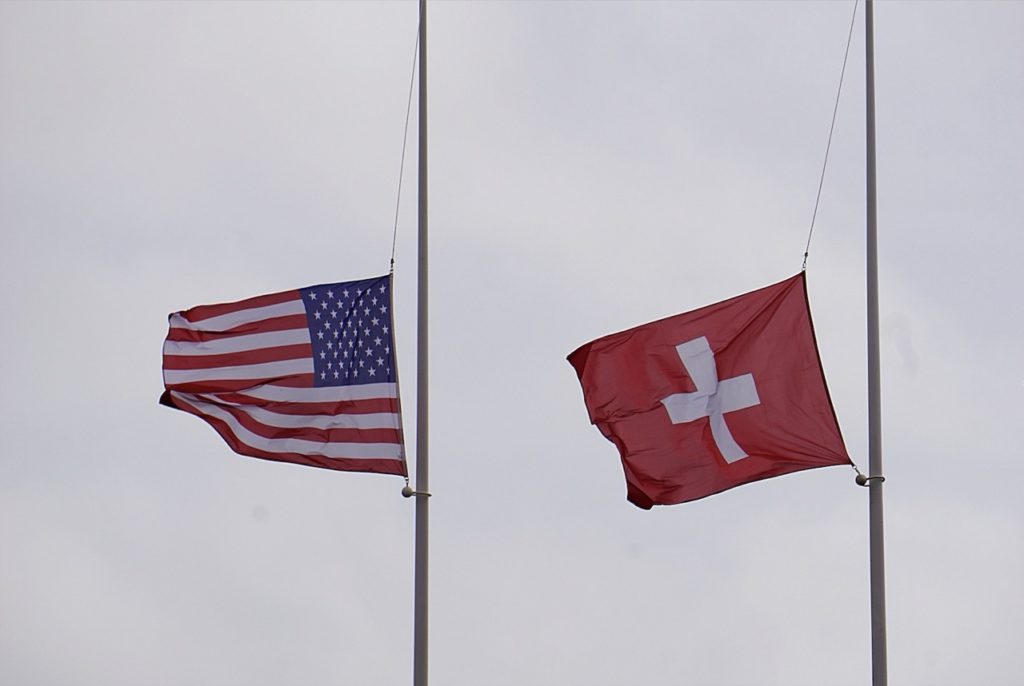
While Switzerland borrowed its federalist system from the USA, the growth of direct democracy across the Atlantic was stimulated by the Swiss model. This is the story of the common destiny of these two countries, which was not only played out in their capitals.
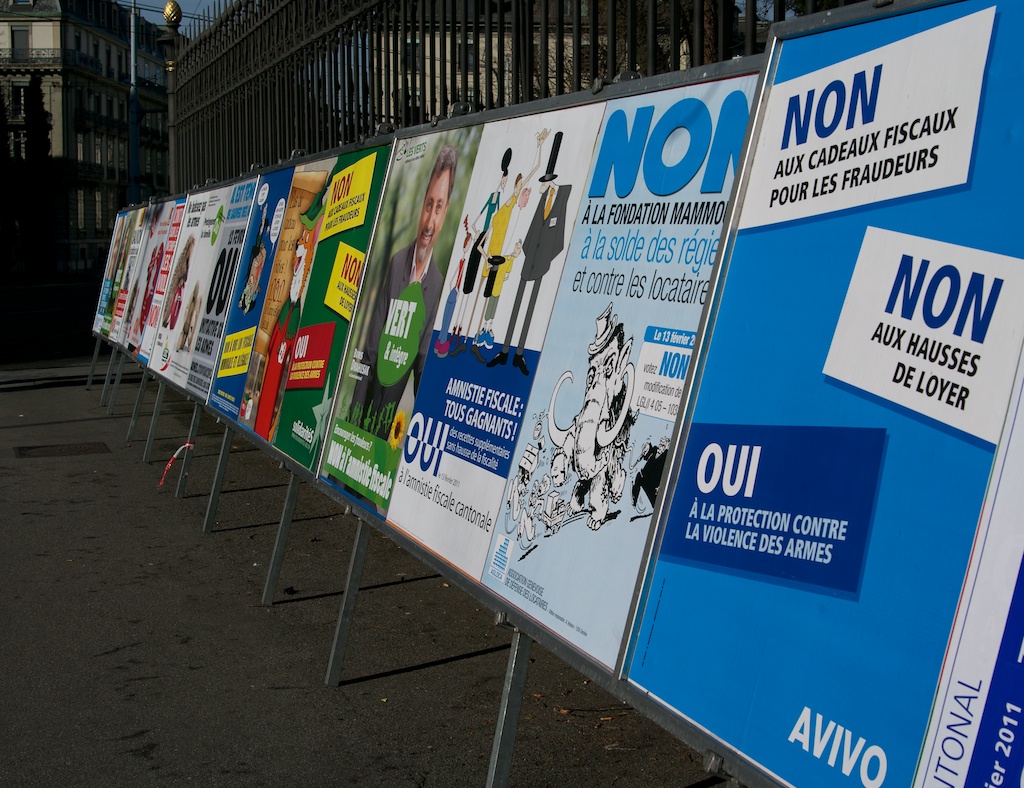
The debate over the number of signatures required to put a popular initiative to the Swiss vote raises an essential question: should the number be revised... or should signatories be asked to make more of an effort?
The popular initiative enables Swiss citizens to propose constitutional amendments. However, despite the frequency with which they are launched, these texts rarely come to fruition. Should the number of signatures required be increased?
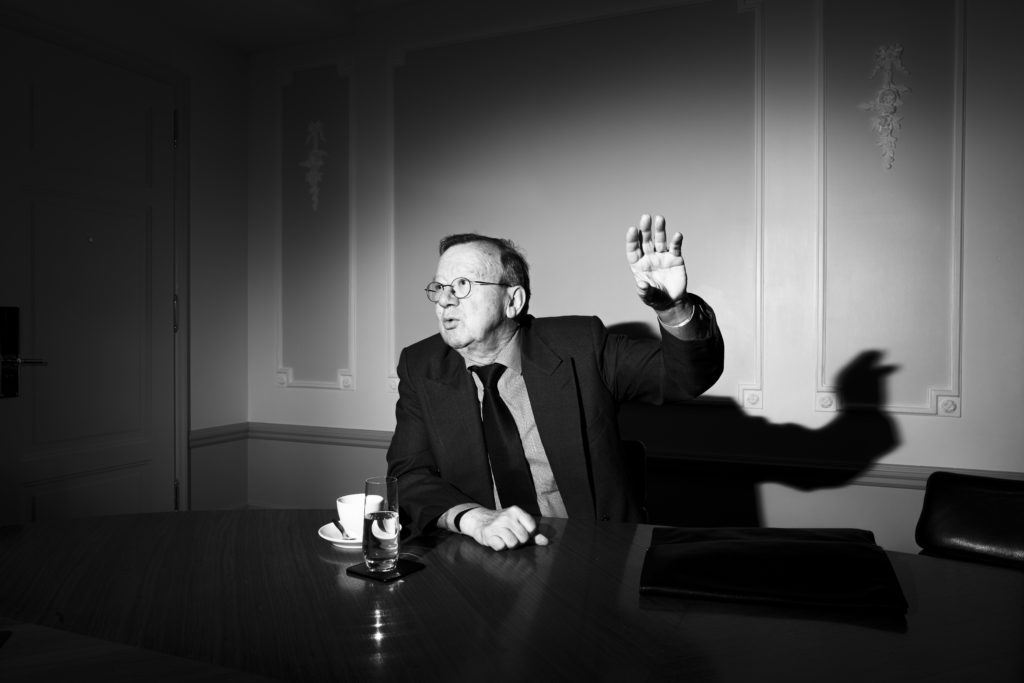
With its hostile territory, Switzerland had to find another recipe for success. So it developed a counter-model. In his essay L'identité suisse au défi, former diplomat Paul Widmer looks at the ingredients of Swiss success, the better to perpetuate it.
Accused since Rousseau of sullying the mechanisms of genuine democracy, pressure groups are nonetheless an essential cog in the wheel. Seated among the «intermediary bodies» dear to Tocqueville, they enable opinions to be forged.
The militia system is criticized far and wide. However, its critics miss its own logic, which, along with federalism and direct democracy, contributes to the institutional construction of Switzerland, and thus to the country's identity.
Paid signature-gathering has the disadvantage of favoring those with the most resources. However, banning this practice would have even worse consequences, further distancing Swiss-style direct democracy from its original spirit.
Militia system, productivity, neutrality... In his essay «La Suisse n'existe plus» (Switzerland no longer exists), Nicolas Jutzet, project manager at the Institut libéral, shows that the idea we have of this democratic and economic model no longer really reflects reality.







 French
  German
  English