



The specificity of modern political thought
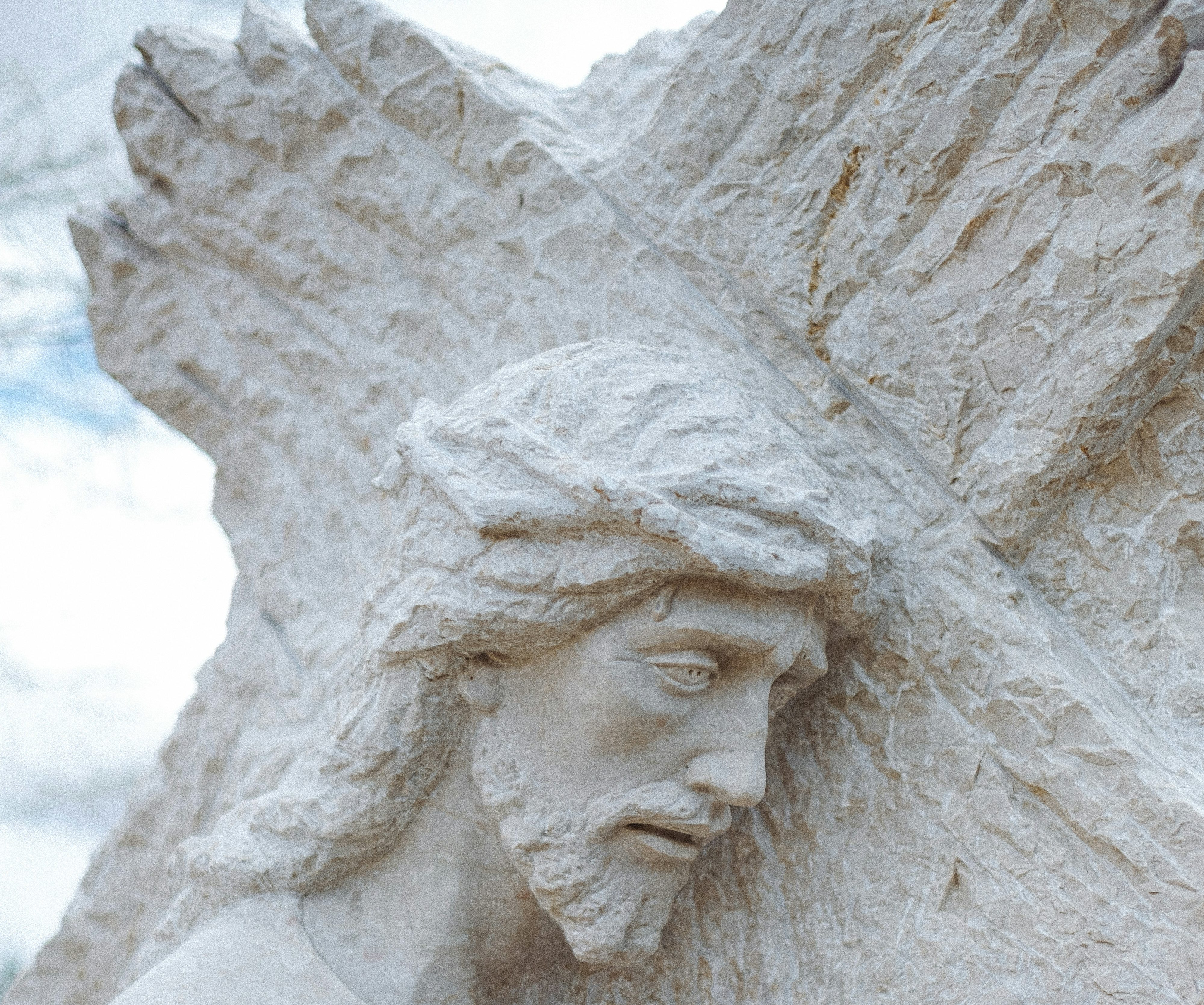
Until the end of the Middle Ages, the major political issue was how to organize the existing order, whose foundations were not called into question. Unsplash
The advent of modernity profoundly transformed political thought. The idea of a divine determination of the political order disappeared, and the question of the legitimacy of any political organization of society became central.
The medieval social and political order was dominated primarily by the coexistence of two powers: the spiritual and the temporal—in other words, the Empire and the Church. Defining the relationship between the spiritual and temporal spheres within the divine order was a major focus of medieval political debates: Are the two powers equal in law? Do the spiritual and temporal spheres each have their own sphere of authority? Does the emperor derive his authority from the pope—in which case he is subject to the will of the Church—or directly from God? These are just some of the questions that were open to debate.
The Ambivalent Political Nature of the EgThis content is reserved for our subscribers.
You'll also like

 French
  German
  English