




See EU later!
A Look at Current Events – Nicolas Jutzet
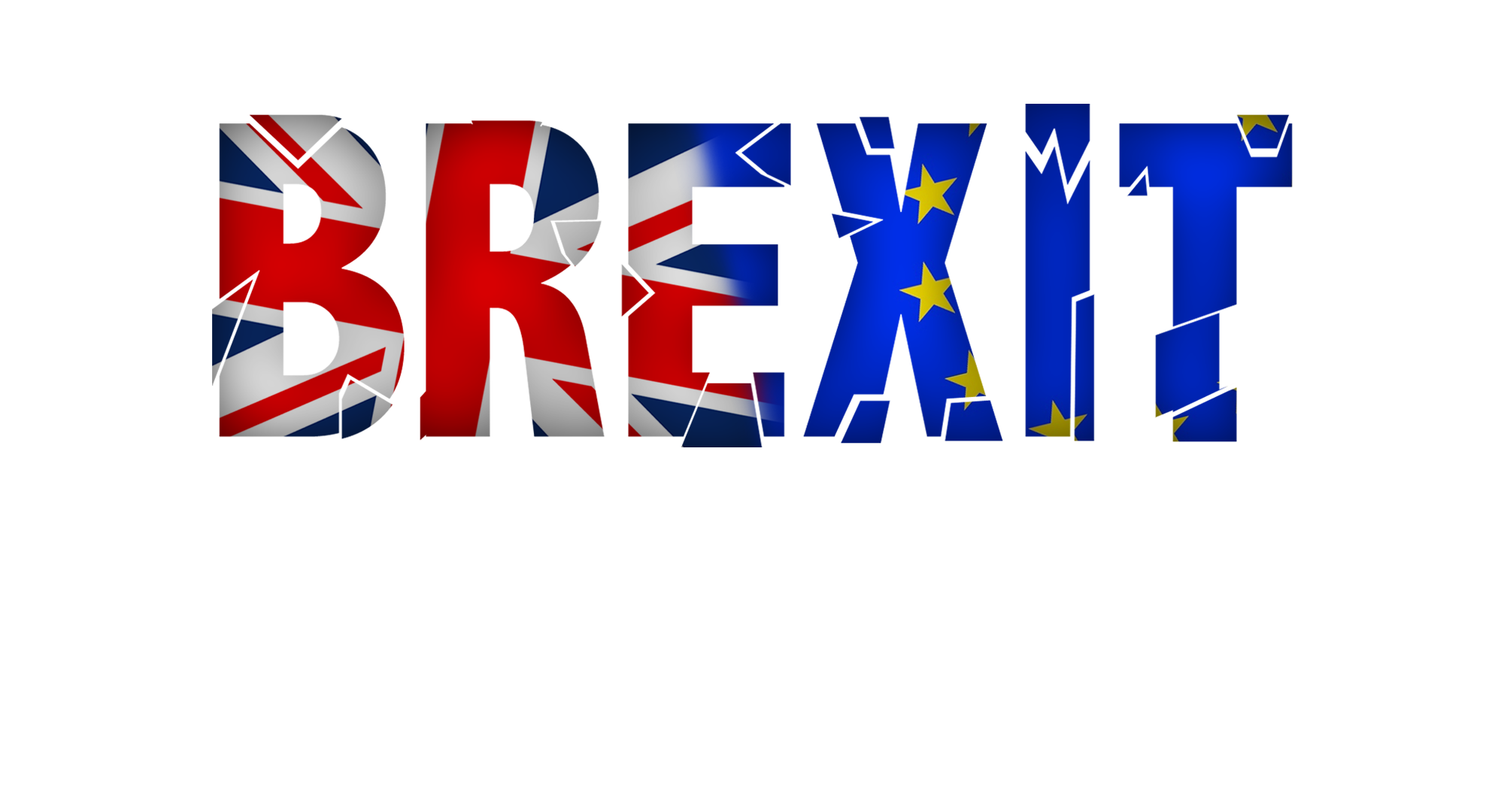
June 24, 2016, will go down in history as the day the European project began to crumble. As the votes were tallied, a schism emerged: Scotland and Northern Ireland voted “IN,” while Wales and England chose the path of exile by casting a majority “OUT” vote. The people of the United Kingdom have spoken, and now risk splitting apart, each going their own way, alone. Some find this choice disastrous, irrational, or even dangerous; I would simply say that it is unprecedented and represents an exhilarating leap into the unknown.
En votant le Brexit, le Royaume-Uni s’est condamné à la volatilité, à l’incertitude. En face, l’Union européenne, cette amante cocufiée, est rageuse. Elle crie à la vengeance, voulant éviter d’autres exodes, et promet d’être impitoyable durant les négociations. Démissionnaire, Cameron laisse une véritable usine à gaz à son successeur. Avec l’appui du parlement, la ou le nouvel élu va devoir invoquer l’article 50 du Traité de Lisbonne pour activer le processus de sortie de l’Union européenne, puis patienter, négocier et enfin finaliser cette longue marche vers une souveraineté retrouvée.
Réussir son divorce demande de l’intelligence et du pragmatisme, soit malheureusement tout ce que ne possède pas l’UE actuelle. Déçue, elle montre les dents et risque de refuser ce qui est pourtant une évidence sur le plan économique. Il faut mettre en place des accords de libre échange des biens, des capitaux, des personnes et des services, tout en laissant le Royaume-Uni être maître de sa politique sociale (baisser les prestations sociales restera toujours plus efficace que des contrôles aux frontières). Cameron avait par ailleurs réussi à négocier dans ce sens, et présentait un projet d’Europe « light » face au Brexit. Compromis jugé insuffisant par le peuple. Difficile d’accepter une semi-souveraineté.
The United Kingdom is the world’s fourth-largest destination for foreign direct investment (FDI), ranks fifth in terms of GDP, and has a substantial trade deficit (exports – imports = trade balance). It is, therefore, an economic giant. Its absence from the single market would be detrimental to everyone, but above all to the European Union! Indeed, the United Kingdom is a major consumer in the global market, and its withdrawal would in fact be a huge loss for all businesses in European countries.
Paradoxically, the British are in a position of strength. Pragmatism would suggest that bilateral agreements—similar in form to those concluded with Switzerland—should be signed (on better terms than our Bilateral Agreements I and II). Unlike us, Britain will have the courage to exert its influence in the negotiations by looking down on this European Union in decline. So the EU will either negotiate or die from its own obstinacy. If we compare the EU to a school classroom, it has just lost a brilliant student and is watching the dunce sitting in the back near the radiator (France) gain more power. This is nothing to celebrate.
Le choc sera rude sur le court terme, car toute période d’instabilité est une épreuve pour l’économie (on le voit sur les marchés boursiers, complètement perdus) ; mais une fois l’obstacle surmonté, le Royaume-Uni (ou plutôt ce qui en restera), sortira grandi de l’aventure, libéré du fardeau européen qui a réussi à transformer une belle idée en cauchemar bureaucratique. Tout amoureux de l’idée d’une Europe pacifique doit se réjouir de ce Brexit ; il doit mener à des jours meilleurs. Mais avant, une longue traversée du désert nous attend.
Write to the author : [email protected]
Photo credit: New Center

You'll also like





 French
  German
  English
Leave a comment