




A misleading reading of the Catalan legislative elections
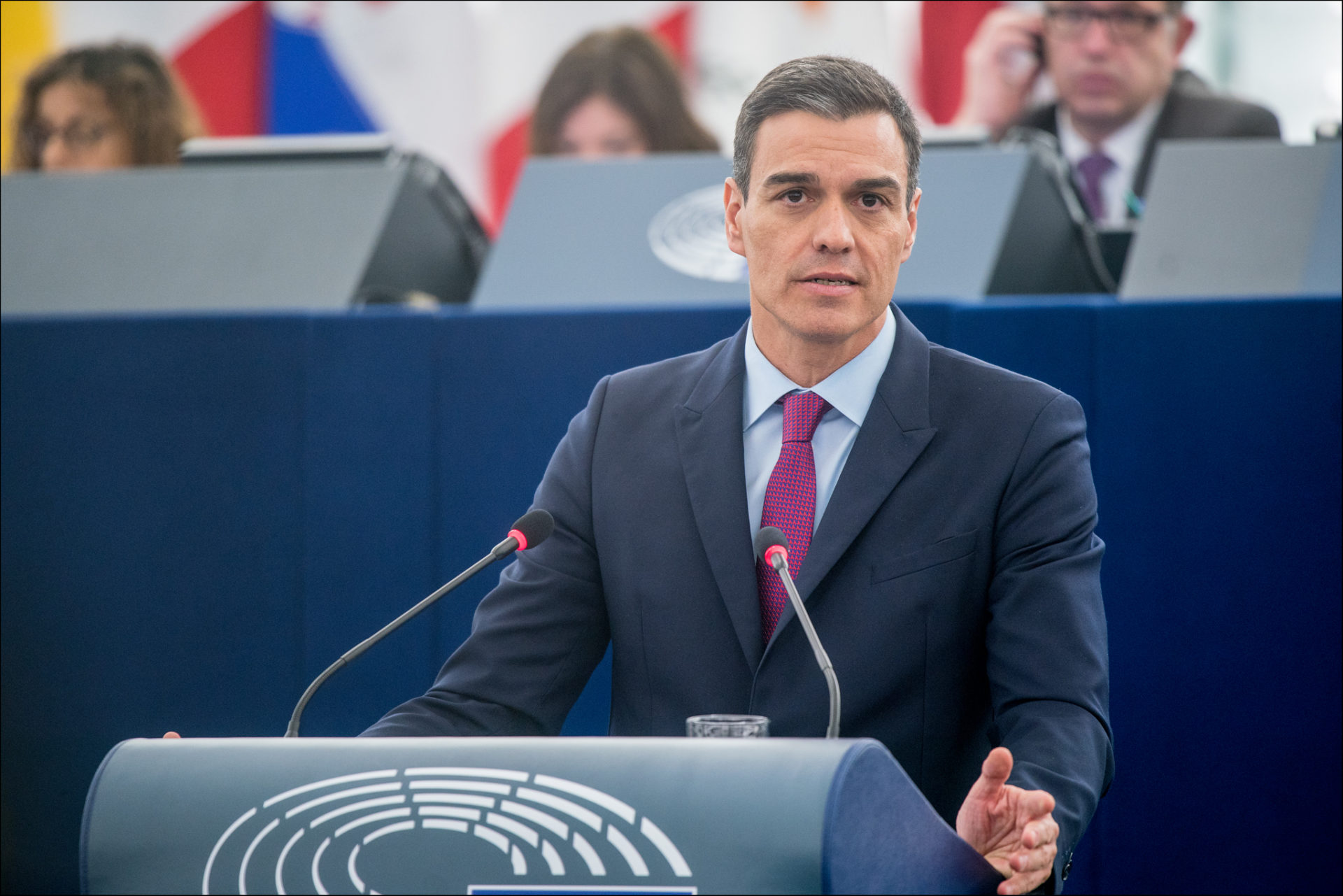
Socialist Prime Minister Pedro Sánchez's real influence on his party's good results is to be put into perspective. Photo: Unsplash
The Catalan elections ended in a historic defeat for the pro-independence bloc. At first glance, the Socialist Prime Minister Pedro Sánchez, who theorized about reconciling Spaniards, seems to have emerged stronger. The reality is more complex.
On May 12, the champagne remained chilled in the Catalan nationalists' offices. For the first time since 1980, an absolute majority in the regional parliament eluded them. While the pro-independence right-wing Junts per Catalunya made timid progress (+3 deputies), Esquerra Republicana (ERC), the pro-independence left-wing party, collapsed (-13 deputies). The big winner was the Catalan Socialist Party (PSC), led by Salvador Illa, which became the largest force in Parliament with 42 representatives (+9 deputies). The social-democrat candidate is now the best placed to become president of the region.
In a Spain where regional and national politics function as communicating vessels, the mid-May results strengthened Pedro Sánchez, at least on the surface. To understand why, we need to go back a few months. After the national elections in July 2023, the Socialist once again became Prime Minister thanks to a «patchwork» parliamentary majority, supported by a whole host of formations, including the Catalan nationalist parties.
In exchange for the support of its seven deputies, Junts per Catalunya has demanded an amnesty for its leader Carles Puigdemont, prosecuted by the Spanish justice system for organizing an illegal independence referendum in 2017. A request accepted by Pedro Sánchez, although he had opposed it during the campaign. To justify this never-before-considered law, widely criticized even on the left, the Prime Minister hastened to create a narrative that presents this pardon as a step towards «reconciliation» between Spaniards, an act that would turn the page on independence.
Putting reconciliation into perspective
With the Socialist victory and the retreat of the Catalan nationalists, Pedro Sánchez believes he has proof of the validity of his invented narrative. ex-nihilo. However, its real influence on the PSC's good results must be put into perspective. Amnesty was not a central issue in the campaign. And even if it did have an influence, was it really positive for the PSC? The good scores of the Partido Popular (PP) and Vox, right-wing parties firmly opposed to Carles Puigdemont's whitewash, seem to indicate the opposite.
The PP, which increased its number of deputies by 12, went far beyond its own electorate and that of Ciudadanos, a liberal formation it had completely absorbed, suggesting a transfer of votes from the PSC or a mobilization of abstentionists opposed to the amnesty. The right-wing identitarian party Vox has maintained the same number of deputies as in the previous legislature (11), even though it is losing ground throughout the country.
Anti-sanchism’, the outspoken opposition to the Prime Minister exacerbated by the amnesty, served as a catalyst for the right-wing parties. The undeniable socialist advance can be attributed instead to Salvador Illa, perceived as a calm and responsible politician, as the candidate of appeasement after years of social tension generated by the illegal referendum of 2017.
Independence still alive and well
The results of the regional elections have brought the independentists face to face with a harsh reality. The Catalonia of May 12 is the one they refused to see, that of a majority of voters who do not believe in separatism, that of a people who remain largely attached to Spain. Confrontation and victimization are no longer convincing.
Nevertheless, the page of independence has not yet been turned. This current has a foothold in Catalonia that is unlikely to disappear any time soon, and the weight of Catalan nationalists remains disproportionate in Spanish politics. Junts and ERC are the key to the fragile majority on which the government rests, and as long as they can, their leaders will continue to pressure Sánchez for all kinds of privileges. After the amnesty law passed on May 30, the next objective is clear: an independence referendum pacted with the government. Throughout history, Catalan nationalists have shown themselves to excel at navel-gazing and blackmail, even if it means sacrificing the rest of the Spanish people.
Write to the author: [email protected]
You have just read an open-access article from our print edition (Le Regard Libre N°108). Debates, analyses, cultural news: subscribe to support us and get access to all our content!
You'll also like





 French
  German
  English
Leave a comment