




Security must once again become the foremost of all freedoms

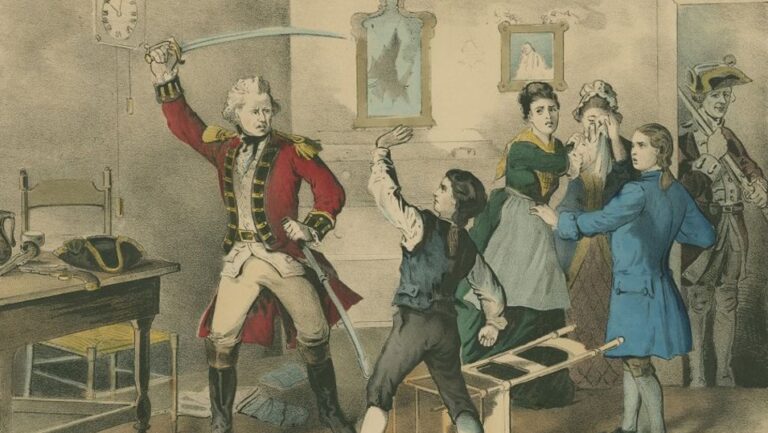
Drawing by Nathanaël Schmid for Le Regard Libre
Home invasions, robbed gun shops, ATM explosions, burglaries: security is deteriorating in our country. Now is the time for firm diplomatic action and a return to a zero-tolerance policy.
Security is a bit like freedom: it always disappears «centimeter by centimeter,» to borrow and adapt a phrase from Karl-Hermann Flach, a postwar German liberal intellectual. Without any sudden breaks or dramatic events. By the time we notice it, it’s often too late. That’s why it’s so important to spot the subtle warning signs.
Who would have thought that one day we'd be talking about home-jacking - These extremely violent break-ins in the presence of residents—in Switzerland, a practice more commonly associated with Mexico or Brazil? That gun shops—symbols of responsible firearm ownership in our country—would be fueling organized crime in France? That ATMs would be blown up in the middle of nowhere? That drug trafficking would thrive right under the noses and police caps of law enforcement, and that burglaries would become commonplace?
A brief glimpse into this new reality. At random. In December 2025, the Neuchâtel police announced the dismantling of a cross-border criminal network specializing in the theft of luxury vehicles and burglaries at gun shops. A major bust, carried out in the departments of Ain, Drôme, Gard, and Hérault. It targeted criminals who had come to strike in Aargau, Basel-Landschaft, Schwyz, as well as in the cantons of Vaud, Valais, and Zurich. A true tour of Switzerland! In April 2026, nine people suspected of using explosives to attack ATMs were arrested in the Netherlands. As reported in the Blick In July: The federal police have already recorded 23 burglaries or attempted burglaries at gun shops since the beginning of the year.
A Necessary Response
In mid-August, the Foundation for the Attractiveness of the Canton of Geneva also painted a bleak picture. All indicators are in the red: an increase in home jackings, crimes against property, violent crimes, etc. A logical consequence of this negative trend: 68.2% of the business leaders surveyed believe that security has deteriorated over the past three years. Physical threats are compounded by threats to employment, which continue to creep in «centimeter by centimeter,» quietly and without fanfare.
The ultimate symbol of this decline: the globally publicized home-jacking suffered by Formula 1 legend «Il professore» Alain Prost last May in the Nyon area.
All too often, the authorities cite selective statistics and refer to a «sense of insecurity,» giving the unpleasant impression that they are trying to sidestep the issue. But a vigorous response is needed. First and foremost, it requires diplomatic courage. After being led around by the nose regarding security for a G7 summit de facto Cross-border crime: the time has come to address another negative externality with our large French neighbor: its cross-border crime. In Brussels, within the Schengen Area bodies, our Swiss representatives must advocate for strengthening the protection of internal borders. And if our partners are unwilling to do so, the Swiss Confederation must act unilaterally and deviate from rules that have become too rigid and out of touch with reality.
Next, political courage is needed. A change in approach is necessary. Tolerance for crime must once again be reduced to near zero. In this case, the issue does not lie with law enforcement or border guards. On the contrary, they are ready to take action. It is the political authorities who seem to accept—with indifference or defeatism—these developments, which are by no means inevitable.
Without security, there is no freedom. This is one of the fundamental principles of our democracy. If our authorities were to forget this while acting as if «Everything is just fine,» citizens facing this deterioration—at home, on public transportation, or on the street—will be sure to remind them of it at the polls. Vigorously and with good reason.
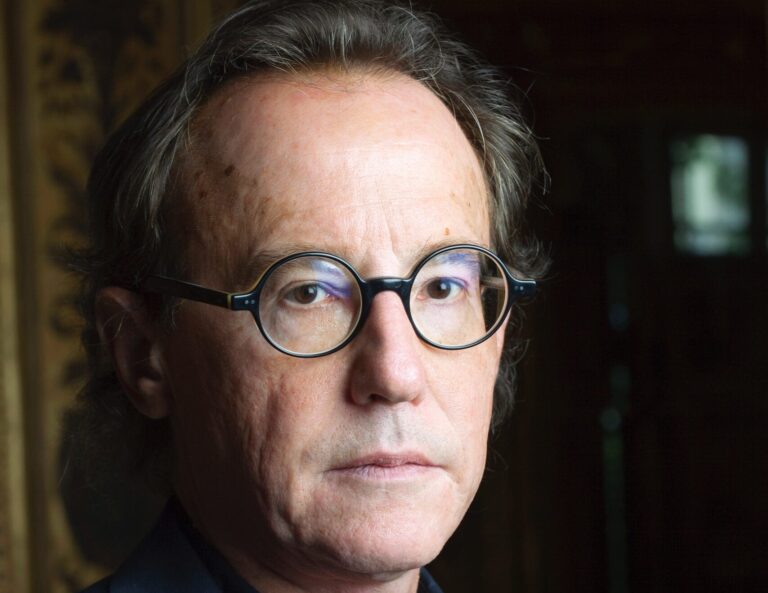
Former correspondent in Bern and Brussels, Romain Clivaz has experience «on both sides» of several divides: media and politics, public and private. For *Le Regard libre*, he roams freely through the back alleys of the news.
You have just read content published in our print edition (Le Regard Libre No. 130).

You'll also like




 French
  German
  English
Leave a comment