The term populist is a modern invention. Yet it says nothing about a dynamic whose mainspring can be found as far back as antiquity: criticism of the imperfections of the political system, with the aim of amending it.
According to a 2019 study, 90% of people keep an eye on their phone while watching TV. This pushes screenwriters to focus on spoken text rather than image.
The news channel is overtaking BBC News Channel in terms of average audience in the UK, and is acting as a megaphone for red-wall England in a climate of growing distrust of public broadcasting.
As Bern prepares to regulate social networks, misinformation and hate speech return to the heart of the public information service issue. Some want a stricter framework, but digital hell is paved with good intentions.
This month, I'm taking the opposite tack from my previous column, which saw artificial intelligence as a danger to cinema, by inviting you to rediscover a series in which AI plays the right role, for once.
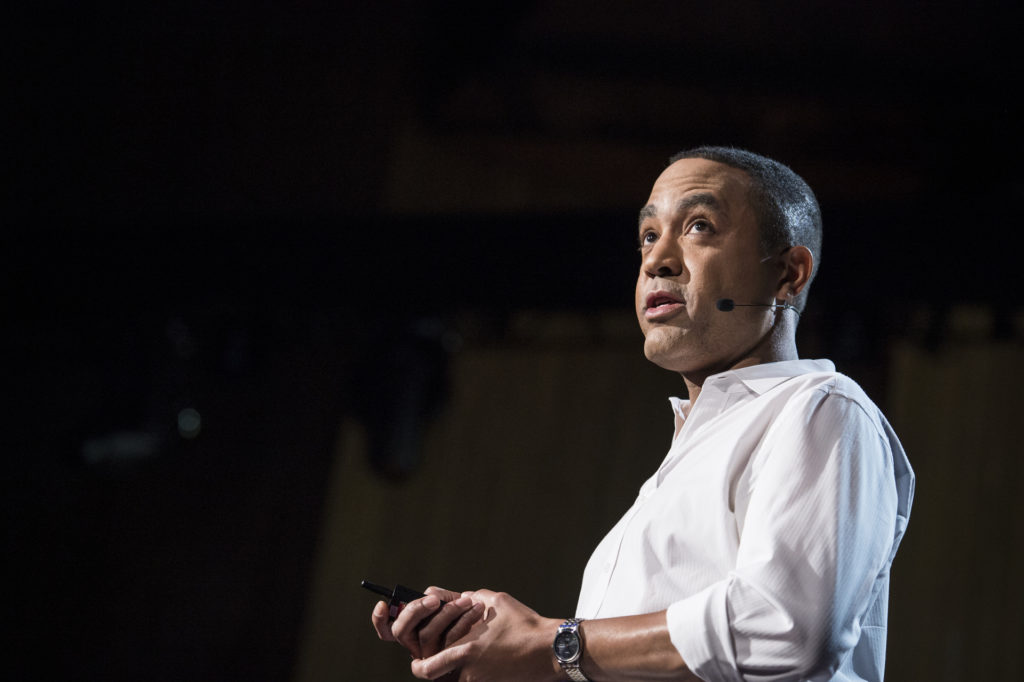
African-American linguist John McWhorter sees contemporary anti-racism as a betrayal of Martin Luther King's universalist ideal, and as an ideology that designates whites as oppressors and reduces blacks to incapable beings.
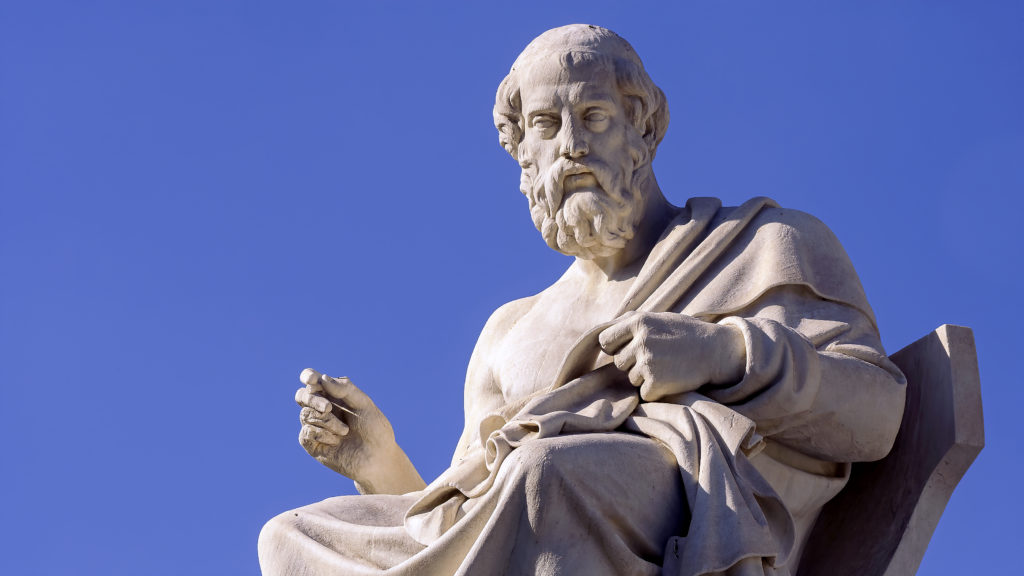
Is a political system based on individual freedom desirable? For Plato, no: 2,500 years ago, he already saw democracy as a chaotic political organization leading to disorder, then tyranny.
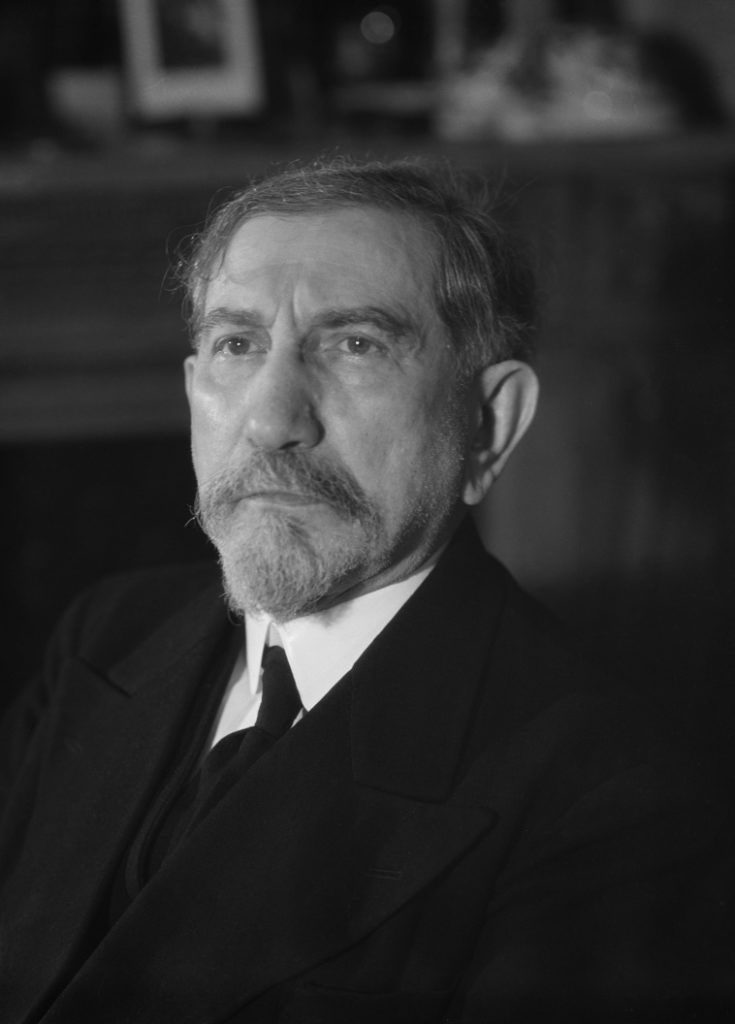
As a major critic of parliamentary democracy, Charles Maurras« Provençal roots and his »organizing empiricism" fueled his contestation of the republican regime in the name of living communities.
Liberals have always been suspicious of unlimited forms of power, whether monarchical, revolutionary or democratic. They have been the most vigorous advocates of the strict limitation of power, whoever holds it and however it is organized.










 French
  German
  English