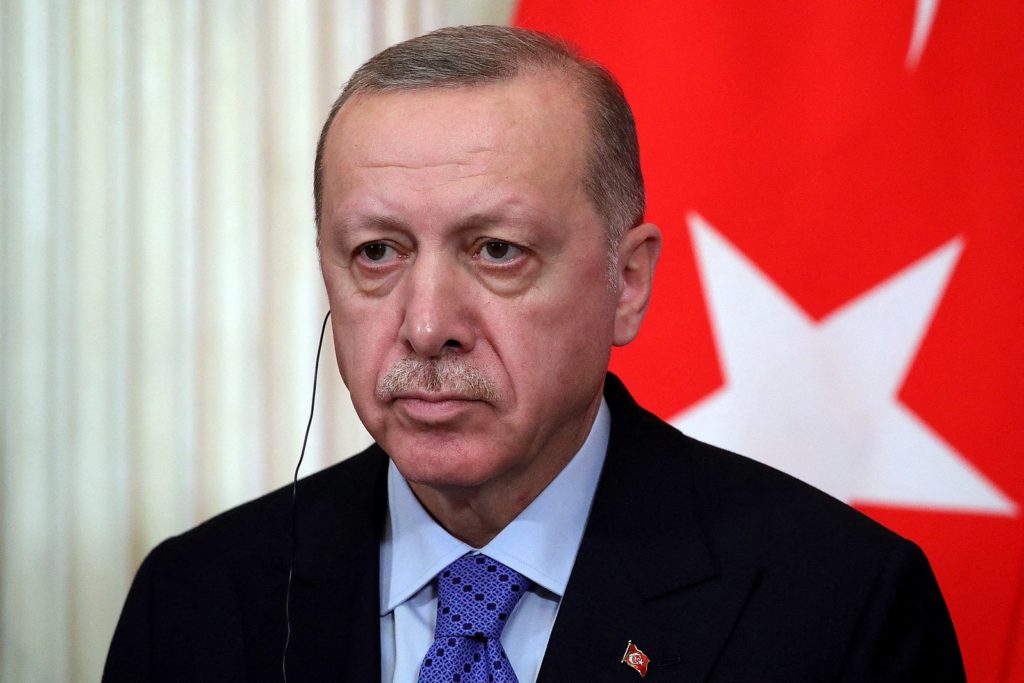
In search of international recognition for several years, Recep Tayyip Erdoğan, freshly re-elected head of the Republic of Turkey, is leading his country down the path of an ambiguous foreign policy.
L’intelligence artificielle inquiète au plus haut niveau. Or, ces nouvelles technologies ne nous portent pas vers des menaces complètement nouvelles. Et si les risques de dérive sont loin d’être nuls, il nous reste plusieurs garde-fous pour prévenir ces abus.
On February 28, 2022, Switzerland surprised everyone by deciding to apply the European sanctions against Russia. This de facto renunciation of a certain neutrality led to a crisis in political discourse, particularly at the highest level. Analysis.
Neutrality has never been subject to a corseted definition. Its entire history demonstrates this. It depends on the goodwill of the other powers, and only makes sense if it is understood in the context of the moment.
Published six years apart, Tom Clancy's anticipation novel «Red Storm» and Francis Fukuyama's essay «The End of History and the Last Man» offer a striking contrast: the fear of a world war is followed by euphoria at the victory of democracies. In his own way, Fukuyama also tells the story of an unfulfilled future.
Many of those whose existence today consists of tracking down and fighting «wokism» everywhere tend to equate it with Marxism. A simplistic and somewhat haphazard association, far from unanimous.
The Liber-thé media recently invited me to take part in a video interview on the subject of wokism and how it can be criticized from a classical liberal point of view. The Ligue vaudoise also invited me to speak on the subject on a Wednesday in March. Here's what I had to say.
Few people anticipated the outbreak of war in the Ukraine, partly because it has characteristics that evoke a war that should have happened forty years ago. The novel «Tempête rouge» (Red Storm), published in 1986, proved to be just such a visionary work.
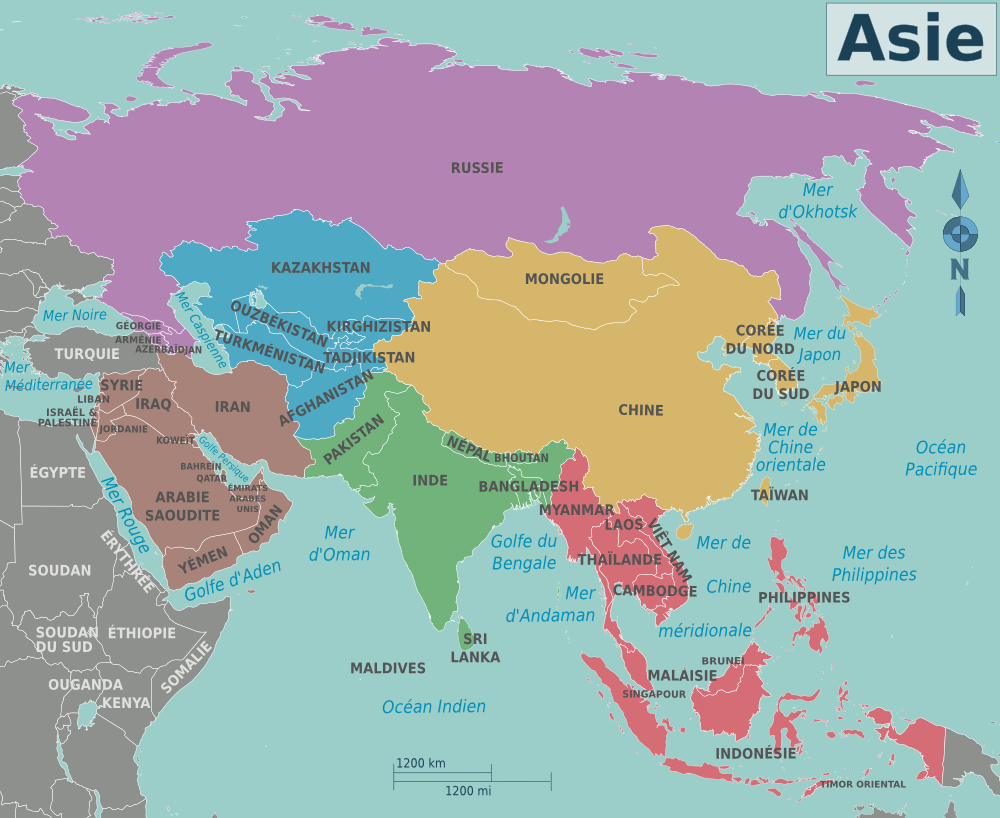
Southeast Asia now lives in the shadow of China and under American pressure. Is there an alternative for the region's governments in this battle of giants?








 French
  German
  English