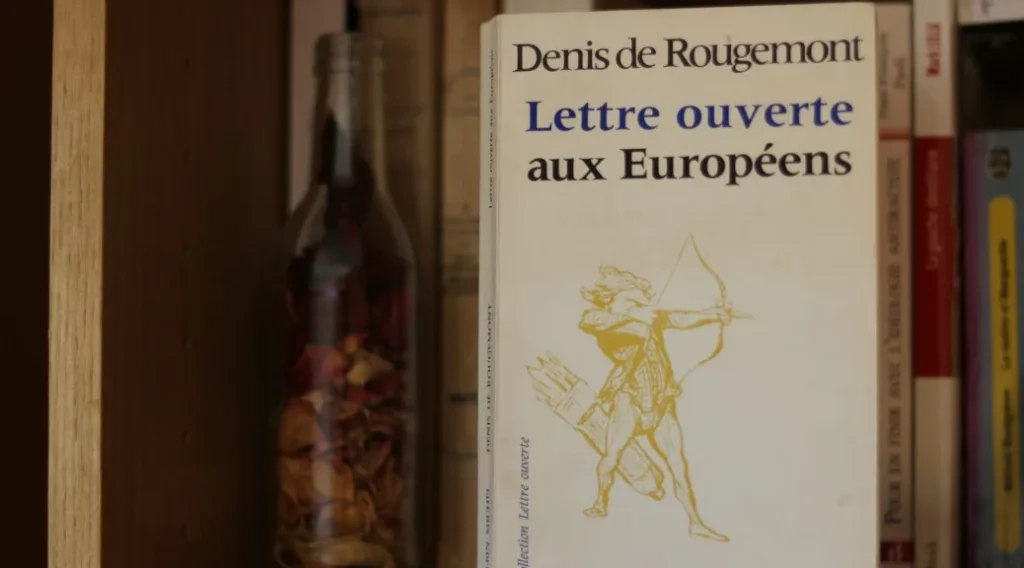
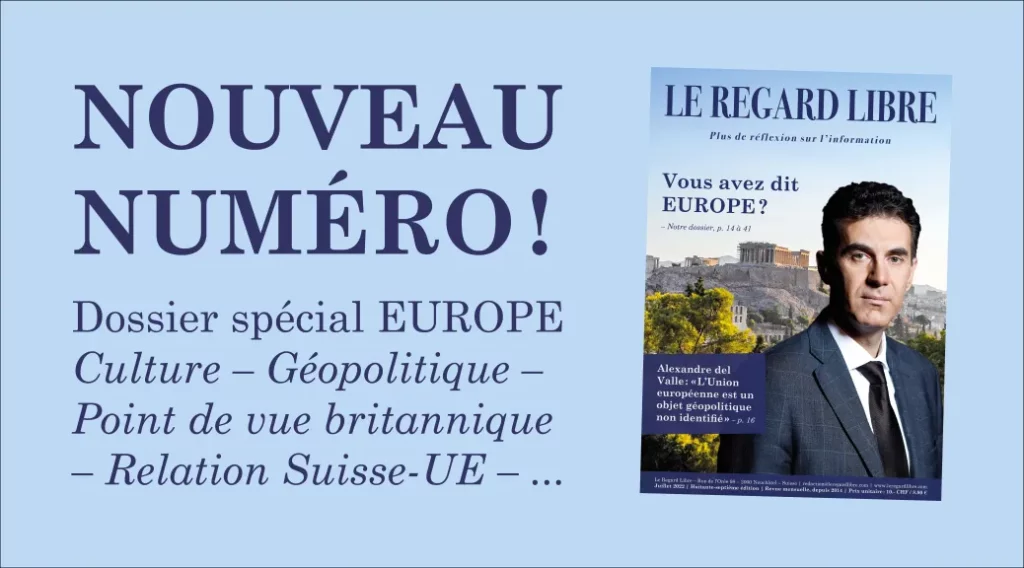
FEATURE: «DID YOU SAY EUROPE?», Antoine-Frédéric Bernhard | He is a major intellectual figure of the 20th century—a Swiss, no less—yet one we hear very little about. Lack of interest is undoubtedly a major factor, since Denis de Rougemont’s entire body of work has been available for free online since 2020, thanks to the efforts of several researchers at the University of Geneva. This prolific writer devoted a large part of his work to Europe, which he saw as caught between the two superpowers, the United States and the Soviet Union. In his 1970 *Open Letter to Europeans*—a plea for European cultural identity—the Geneva-based writer advocates for the idea of full federalism, grounded in a regionalism opposed to all forms of modern nationalism. His reflections on European unity are more relevant than ever. Here is a brief overview.
The relationship between Switzerland and the European Union has never been worse. On that, our two debaters agree. But beyond that, their views are diametrically opposed. Félicien Monnier, a self-styled conservative and sovereignist, is a lawyer and has been President of the Ligue vaudoise since last year. Julien Rilliet, a member of the Socialist Party and the Mouvement européen suisse (NOMES), runs his own political consulting firm. Here are our ten questions to these two young observers of the French-speaking world, who are interested in the fate of Switzerland and the continent.
Despite its turbulent history within the European family since 1973, the United Kingdom has nonetheless been...
Alexandre del Valle, whose analyses often stand in stark contrast to the traditional media narrative, has agreed to take stock of the European geopolitical situation, in eight points.
This is the sad story of a «white rasta», as they say. A reggae singer whose behavior isn't very fascist... but whose...
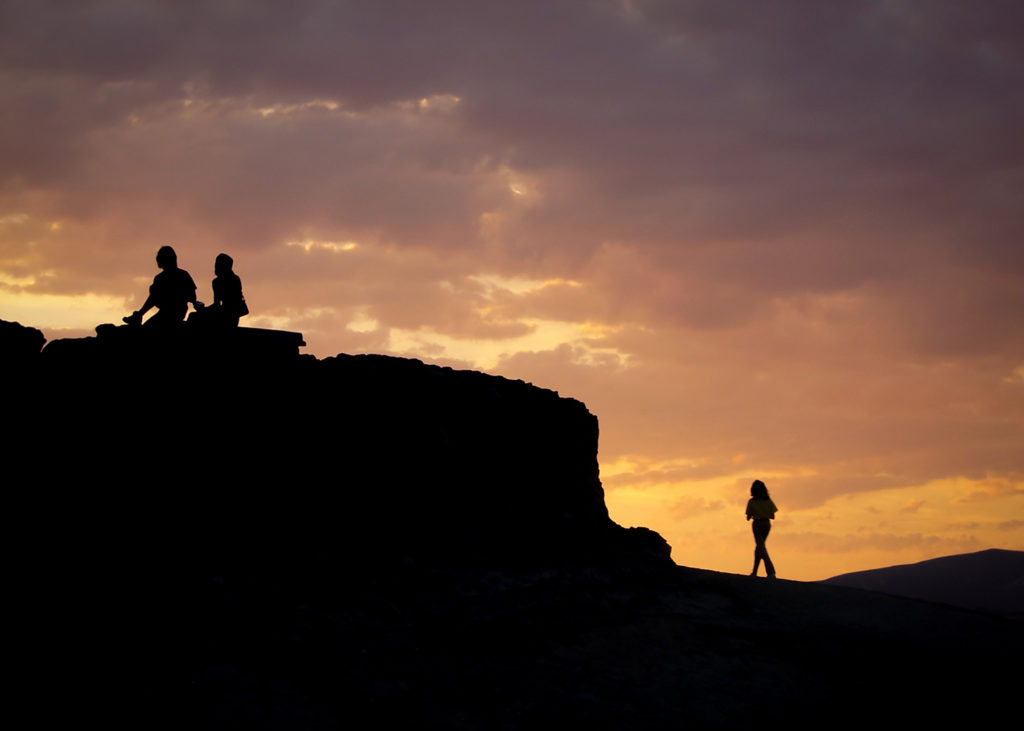
Le Regard Libre N° 83 – Bernard Léchot Le matin très tôt à Zabriskie Point, Death Valley, aux Etats-Unis, à...
ARTICLE LONG FORMAT, Clément Guntern | Contrary to all expectations, the European Union has not emerged from the health crisis particularly weakened. On the contrary, it has been able to take important initiatives for its future. But is it prepared for the new world of rivalry and competition between powers? The question of strategic autonomy, currently under debate, will be crucial.
LONG FORMAT ARTICLE, Clément Guntern | As September's general elections for the Bundestag draw nearer, there's an unexpected topic on which Germany's environmentalists could make the most profound changes since the end of the war. And it's not just the fight against climate change.