While disparities in representation between men and women remain persistent at the highest decision-making levels, the arrival of some women in power reveals dissensions over the very nature of the «women's cause».
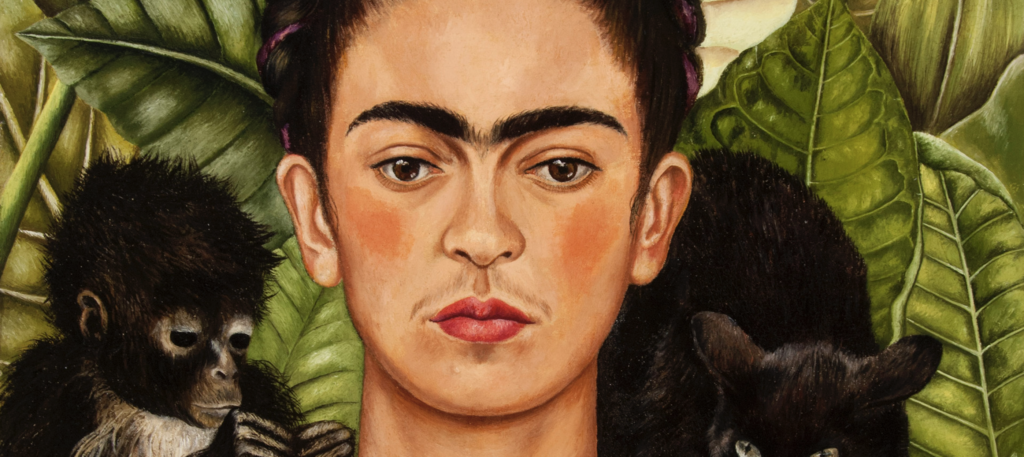
All you have to do is read a museum or art gallery label to realize that women artists are rare. Yet many of them have revolutionized their discipline and continue to do so. Katty Hessel has devoted a book to them, and it's brilliant.
French essayist Mathilde Berger-Perrin, author of «Ayn Rand, l'égoïsme comme héroïsme», believes that the market economy is women's best friend. She urges them to expect less from the state.
Among the various forms of feminism, two main currents can be identified. The universalists, like Elisabeth Badinter, believe that women should have the same individual rights as men. The others, faithful to a more recent narrative, make friends with Islamists in the name of their communitarianism - and don't stop at this paradox.
What if gender disparities weren't always to women's disadvantage? Demographics offer a very different picture of reality from that proposed by a sociology under high ideological pressure. Here's a ten-point overview.
Anouck Saugy, president of the Femmes PLR du canton de Vaud, refused to attend the feminist strike last June. Once united around a common cause, this movement has become, in her view, a divisive force.
Every week or so, a major newspaper or a high-audience radio or TV station devotes a story to a sexual abuse, abduction or placement case involving a child. The problem? Only cases that involve the mother's pain are covered. Shocking.
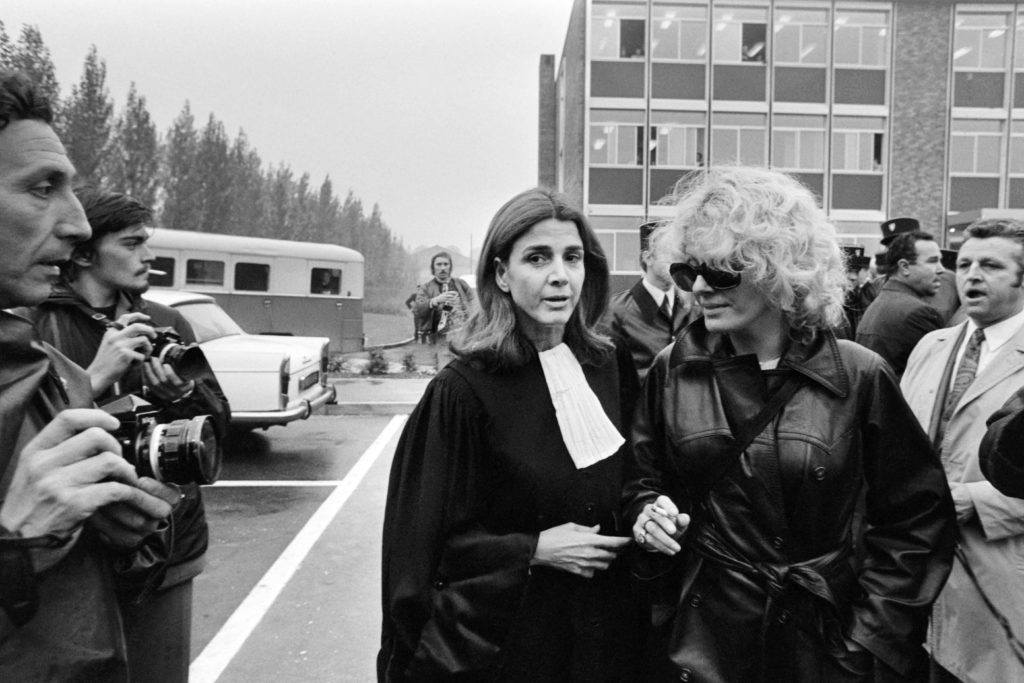
She didn't mince her words. Lawyer, member of parliament and writer, Gisèle Halimi held positions that required a voice. Yet it was her lawyer's robe that gave her the greatest impact. A look back at a career that should inspire many others.






 French
  German
  English