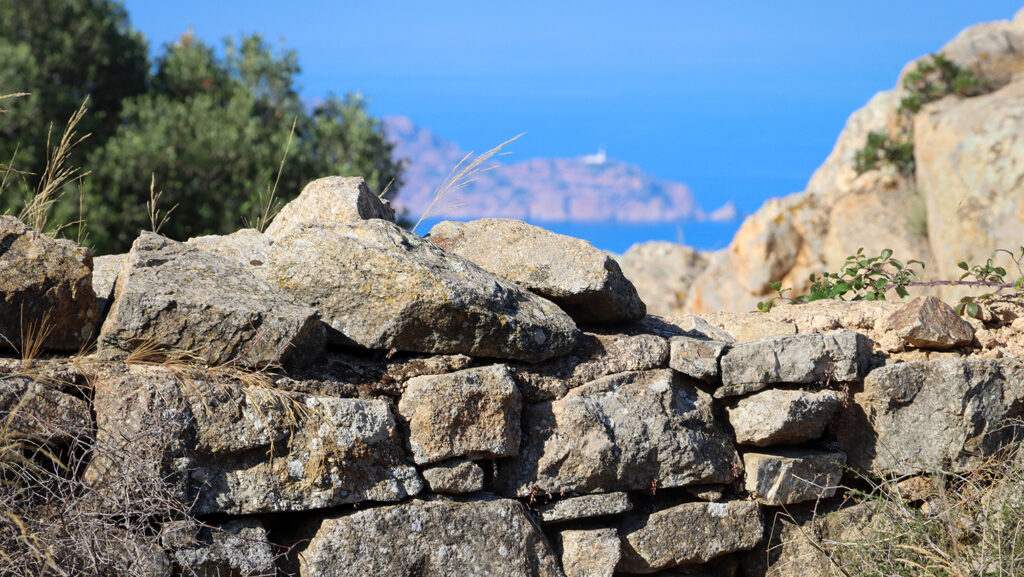
Perched on the heights of Balagne, Occi looks out over the sea. Though abandoned by its inhabitants, this stone village remains filled with memories, silence, and a singular presence—just as Jean-François Bernardini had sensed.
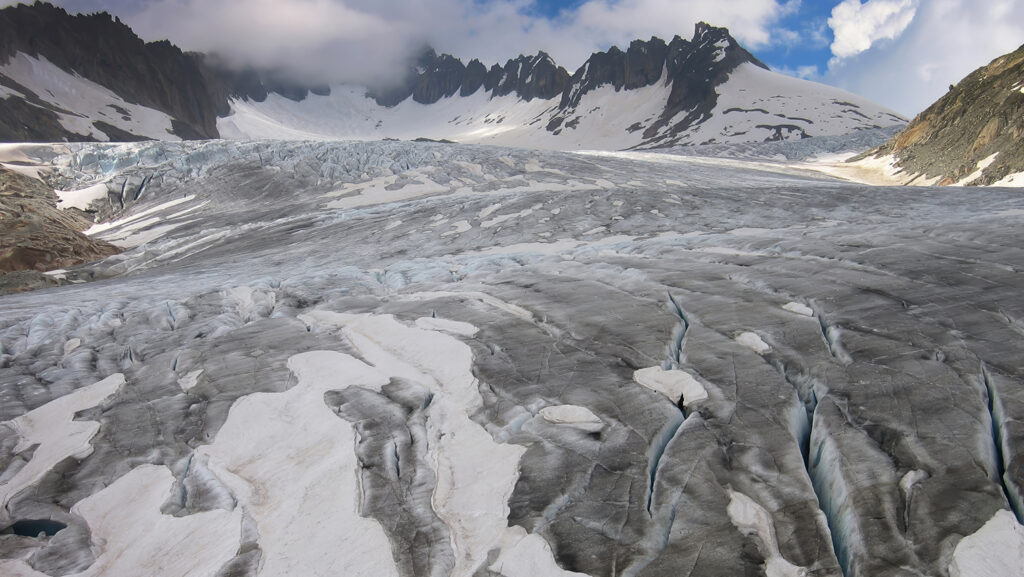
The Rhône... In the morning, amid the coolness of the high mountains. In the afternoon, along the French stretch of the river, past dams, barges, and power plants. Finally, in the evening, between its two branches, in the Camargue delta, where fresh water gradually mixes with salt water.
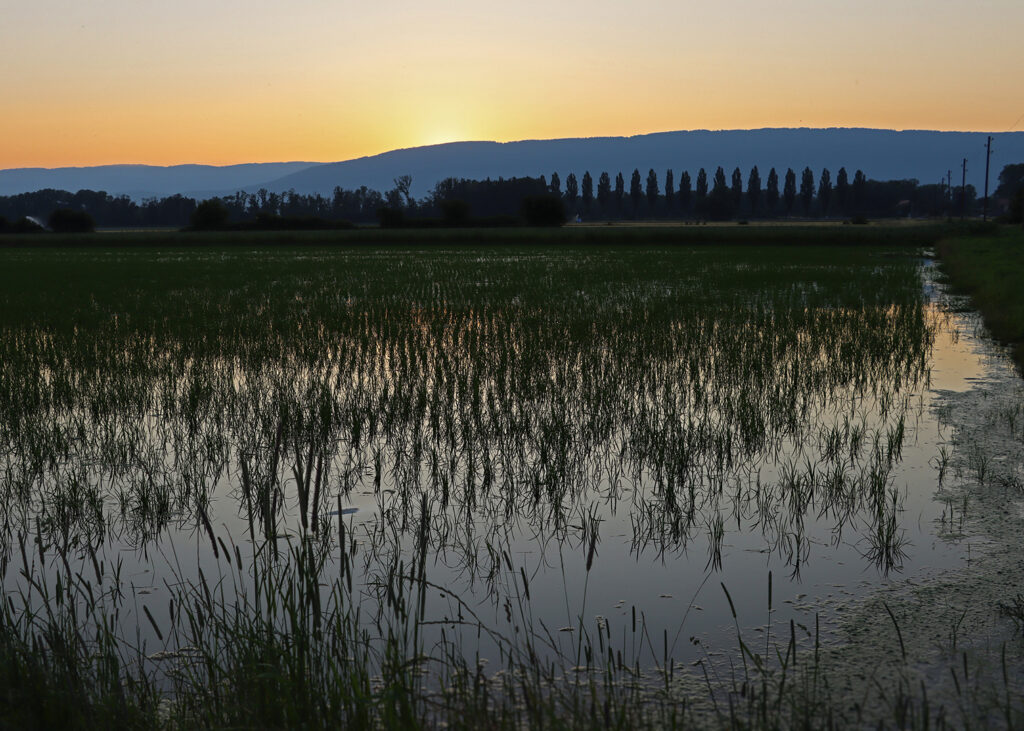
At the foot of Mont-Vully, a rice field has been surprising the Swiss landscape since 2023. Six hectares of rice to discover through the seasons, between water, wheat and corn.
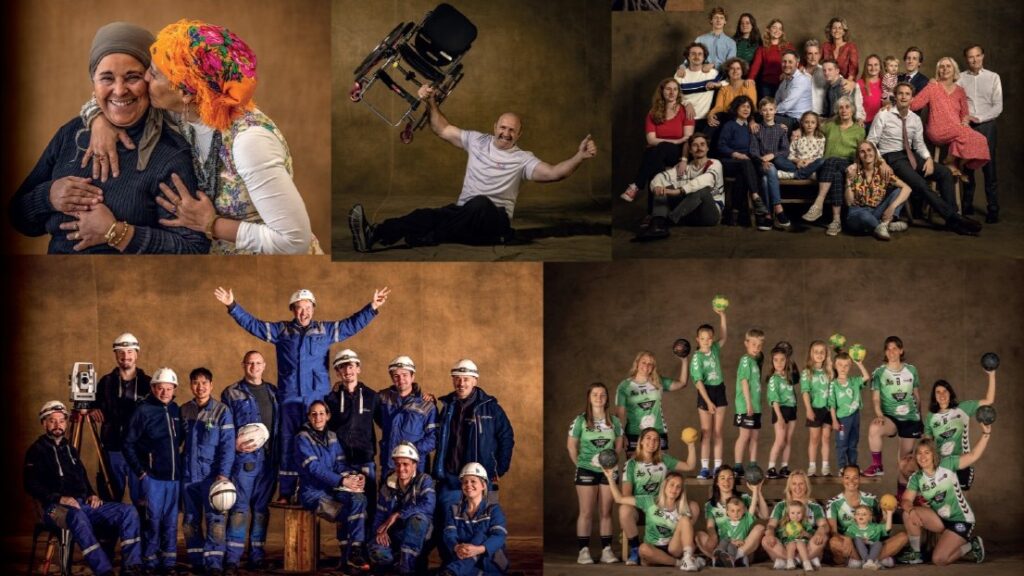
In «France, un album de famille», Yann Arthus-Bertrand shows a multiple and ordinary France through hundreds of portraits. But what remains of «living together» when social fractures remain off-screen?
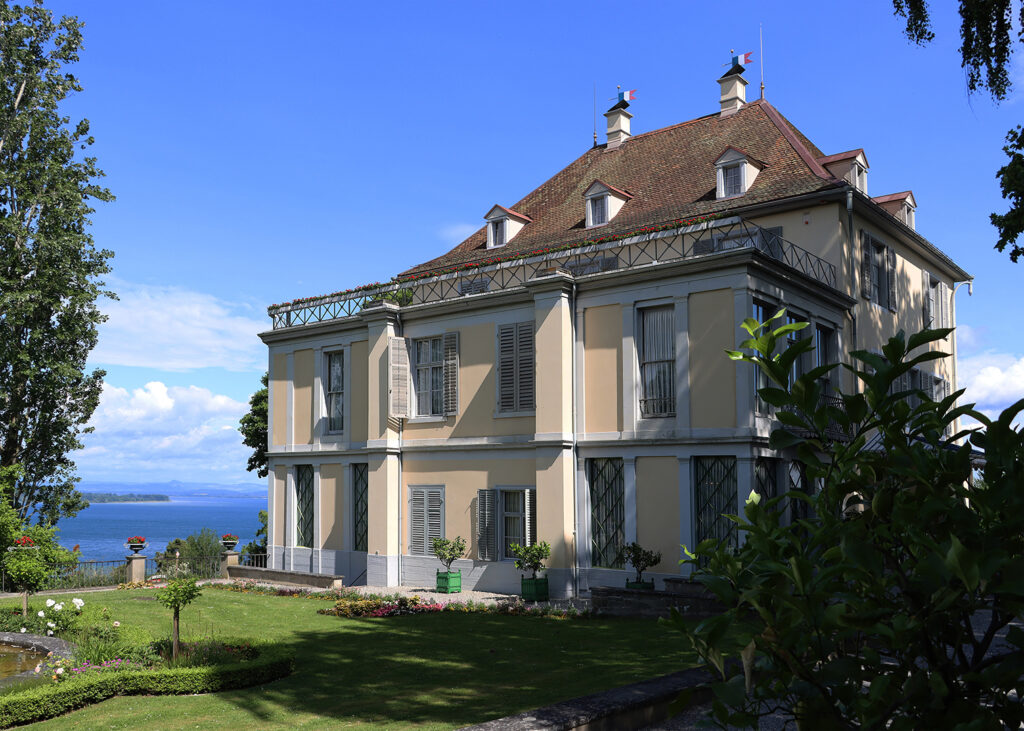
Napoleon I had a Corsican accent - Napoleon III a Swiss German accent, traces of which he seems to have retained for a long time. Report from Arenenberg Castle in Salenstein, on the shores of Lake Constance in the canton of Thurgau.
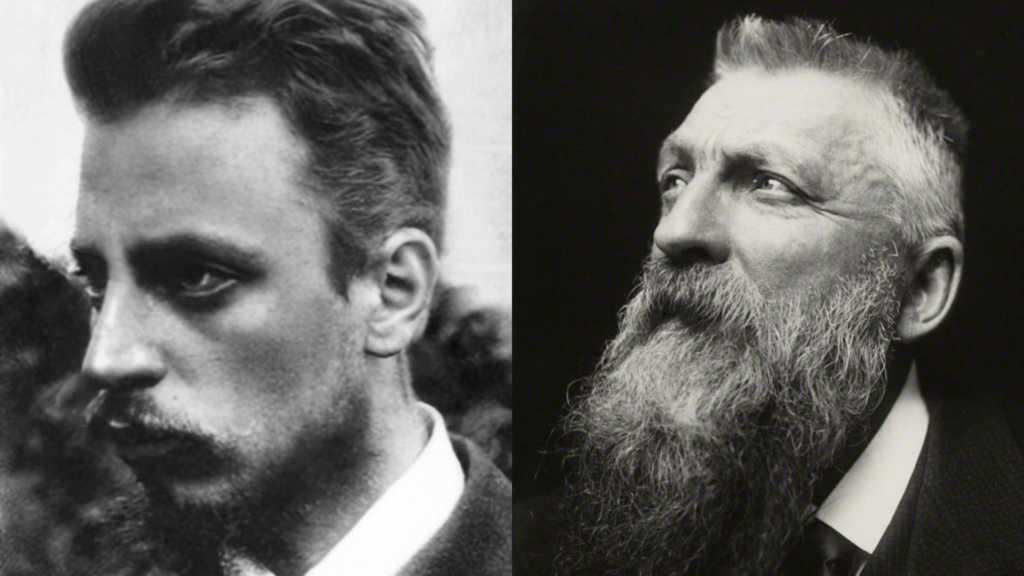
A look back at poet Rainer Maria Rilke's decisive encounter with sculptor Auguste Rodin, as the Fondation Gianadda presents an exhibition devoted to these two major artists this summer, to mark the 100th anniversary of Rilke's death.
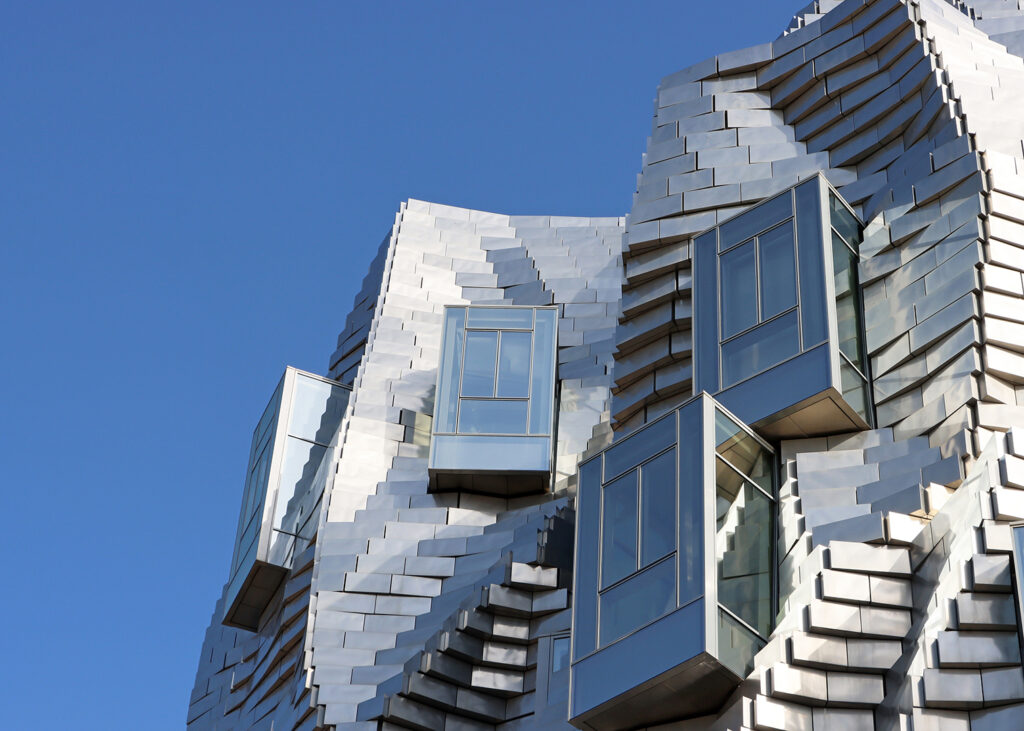
Arles, its arenas, its Alyscamps... and since 2021, also its LUMA Tower, which has transformed the city's skyline. This «interdisciplinary creative campus» is the brainchild of the LUMA Foundation, created in 2004 by Swiss businesswoman, producer and patron Maja Hoffmann.
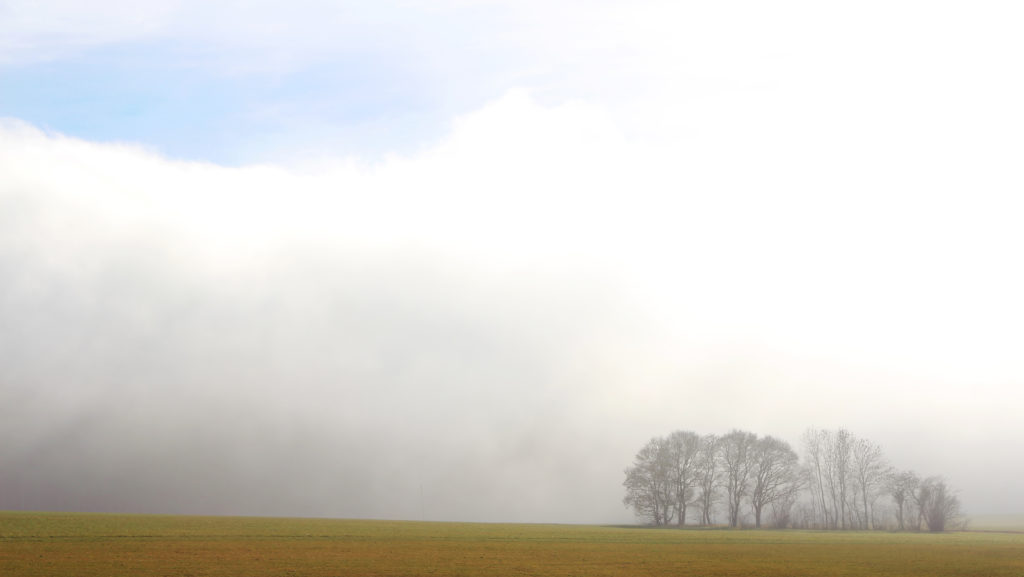
Blue skies and sunshine, in principle everyone agrees, are beautiful. Mist and fog, those floating, damp, indistinct zones, are generally not appreciated over time. Yet to catch a glimpse of this fragile, shifting boundary between one and the other is a privileged moment.
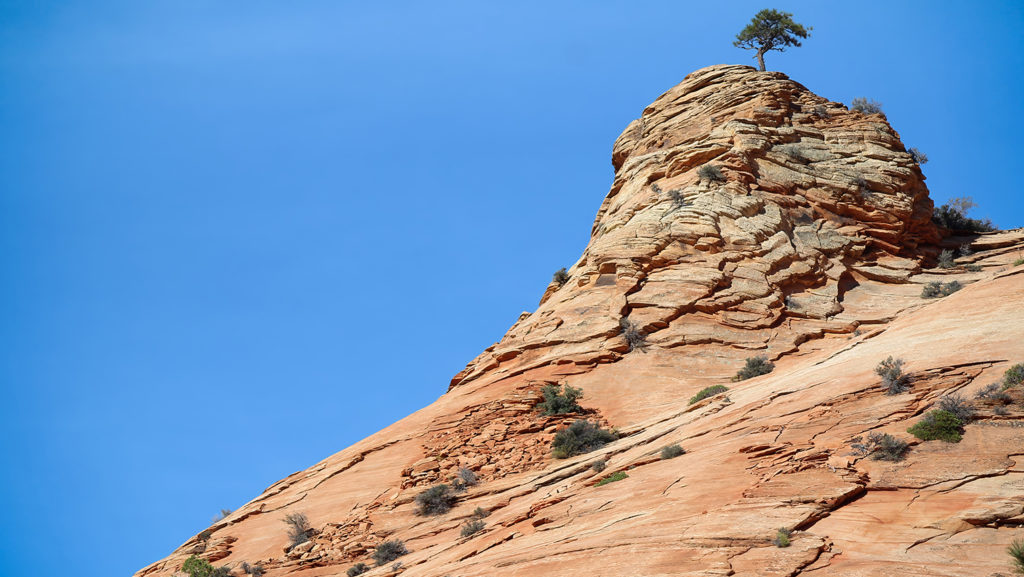
Like Lucky Luke, are the trees of the American West waiting for the sun to set before singing «I'm a poor lonesome tree»? Or even «I'm already a dead tree»? A mystery. Images taken in Zion National Park and Monument Valley Navajo Tribal Park.






 French
  German
  English