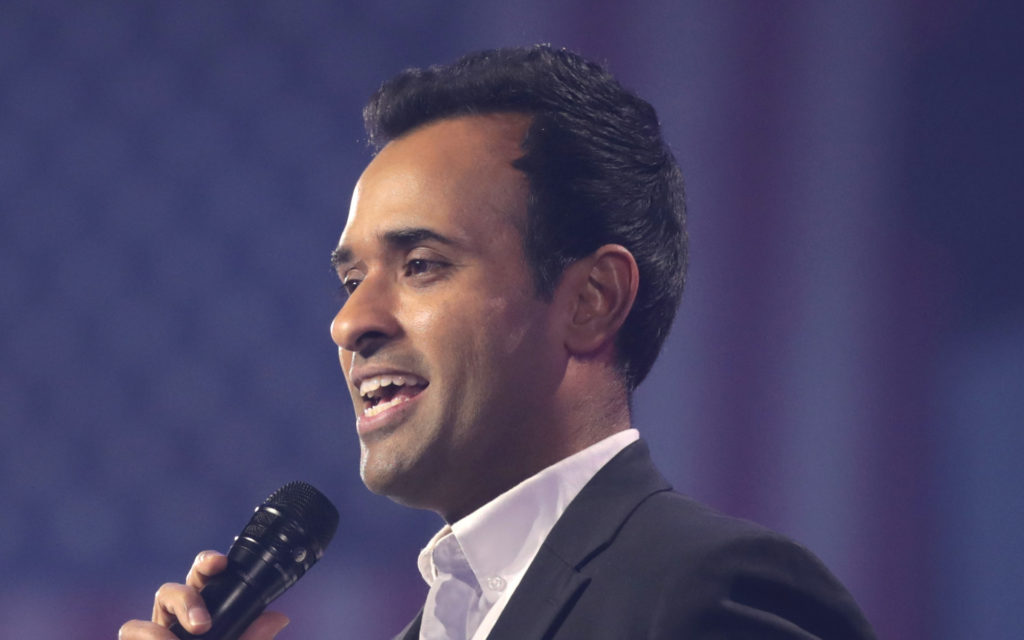
Vivek Ramaswamy is one of the best-known opponents of the new corporate moralism. The entrepreneur and candidate in the 2024 US election explains the economic reasons for the triumph of identity politics in the US.
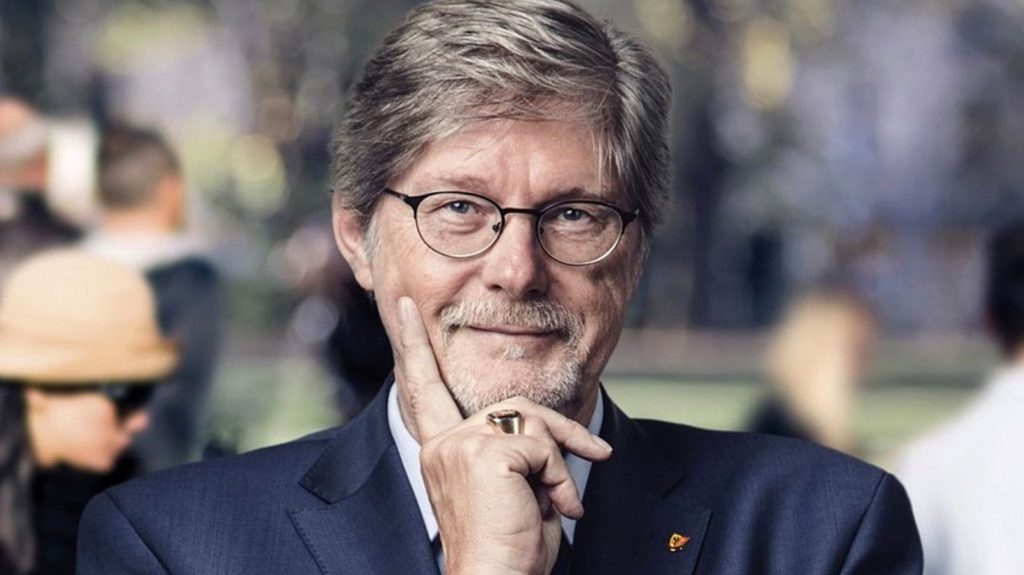
A well-known Geneva writer and politician, Jean Romain was for many years a teacher, notably of philosophy. In 2001, he wrote «Lettre ouverte à ceux qui croient encore en l'école» (Open letter to those who still believe in school), and today shares his vision of an institution he knows well.
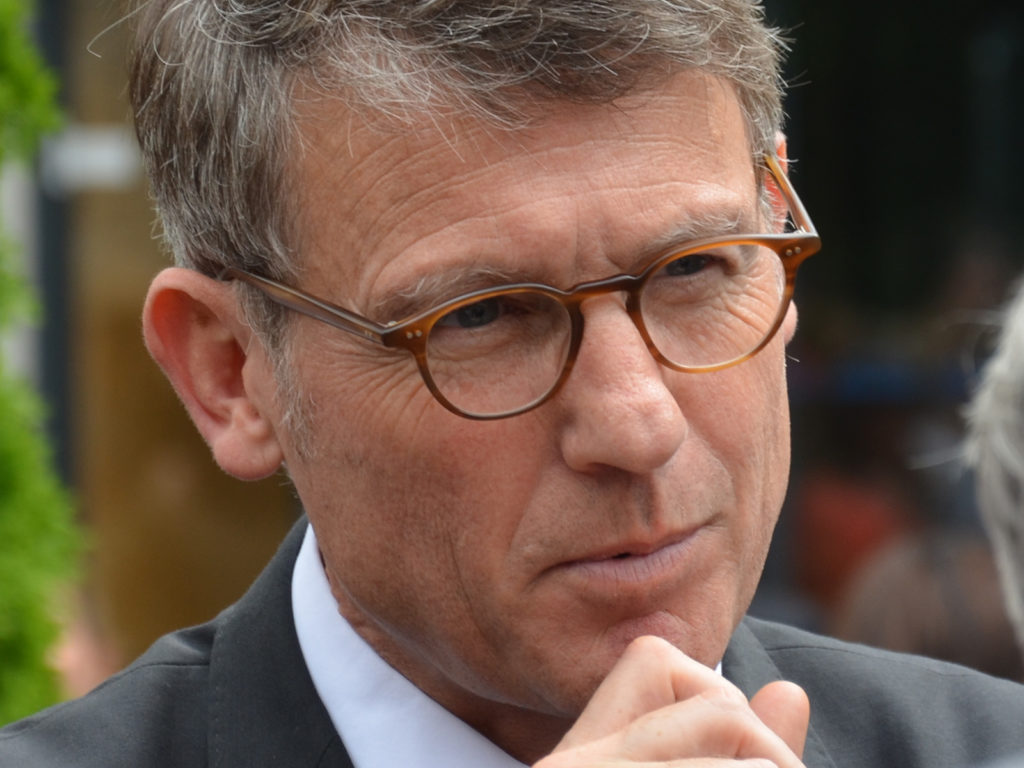
Schools are the focus of much debate. Vincent Peillon, Minister of National Education from 2012 to 2014 under President François Hollande, details his vision for this important institution of the Republic - a vision that has been the subject of fierce criticism.
A graduate of the École Nationale d’Administration, a champion of freedom, a soldier, a writer. François Sureau has lived a thousand lives. Elected to the Académie française in 2020, he is now immortal. A discussion centered on his book *Un an dans la forêt* (A Year in the Forest), which explores the life of Blaise Cendrars, the Swiss globetrotting writer.
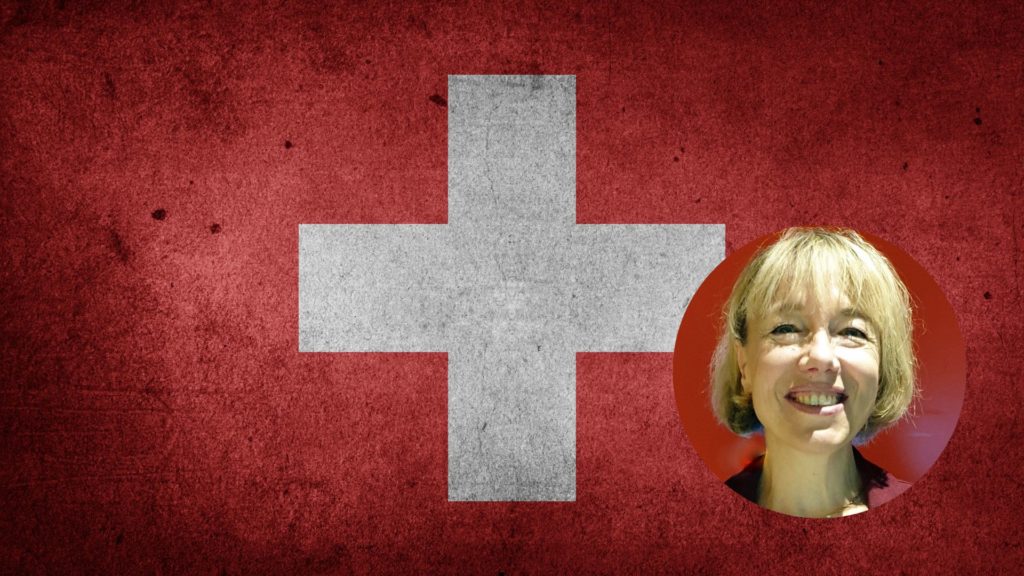
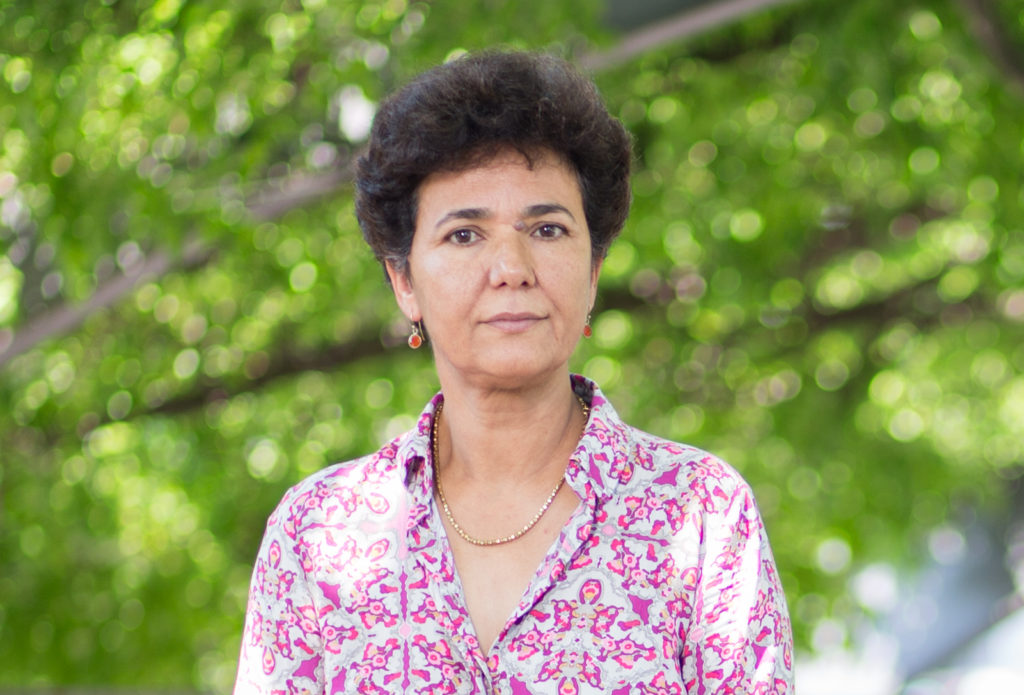
Founder of the Forum for a Progressive Islam, Tunisian-born Zurich essayist Saïda Keller-Messahli is concerned about the presence of Islamism in Switzerland and Europe, even in state and international bodies. Interview.
In her latest book, «Désinformation économique», freelance journalist Myret Zaki analyzes the way in which governments and companies juggle information, with the aim of embellishing or even hiding certain facts. A journey to the frontiers of lies.
To mark the publication of his book Le déclin d'un monde, Jean-Baptiste Noé talks to us about the end of the West's dream of shaping the world in its own image. And he even dares to rejoice.
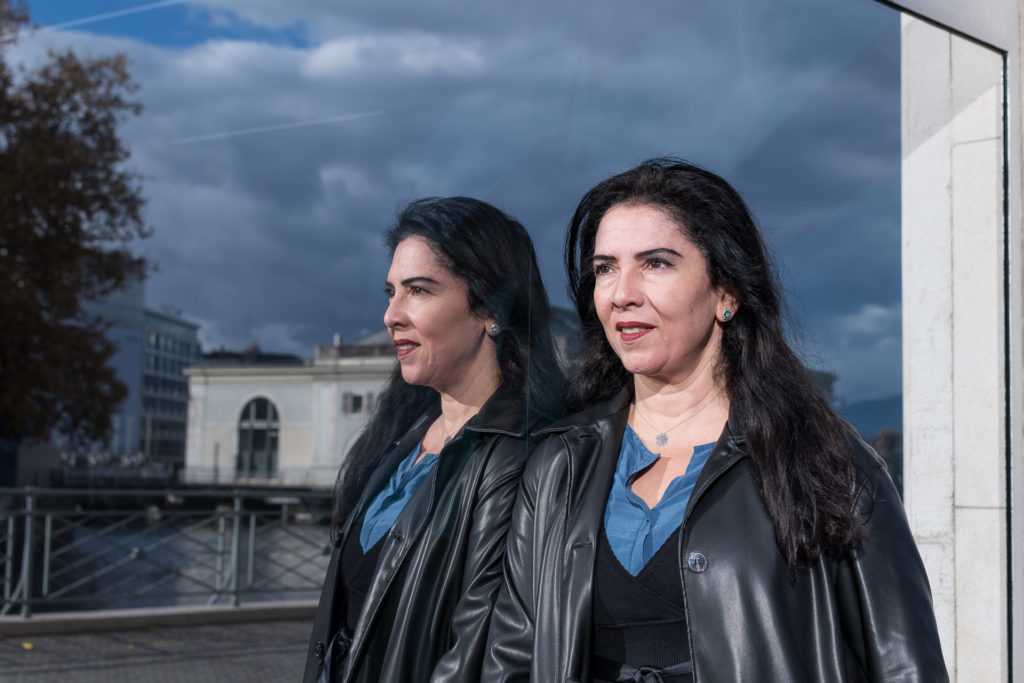
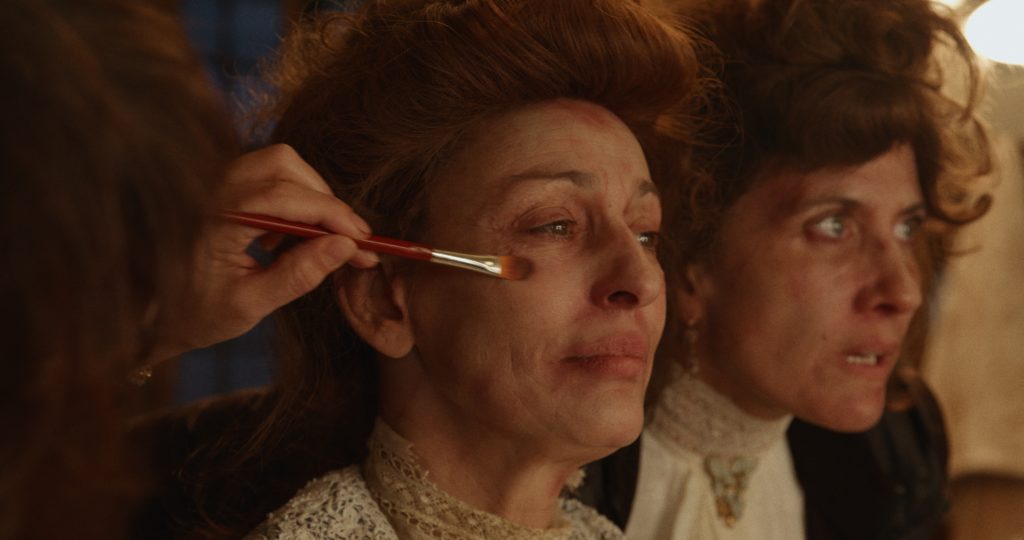
A shadowy profession in the feminine plural, the subject of Elena Avdija's documentary. A triple portrait that brilliantly questions representations of violence on our screens. Freeze frame, time to chat with the director.
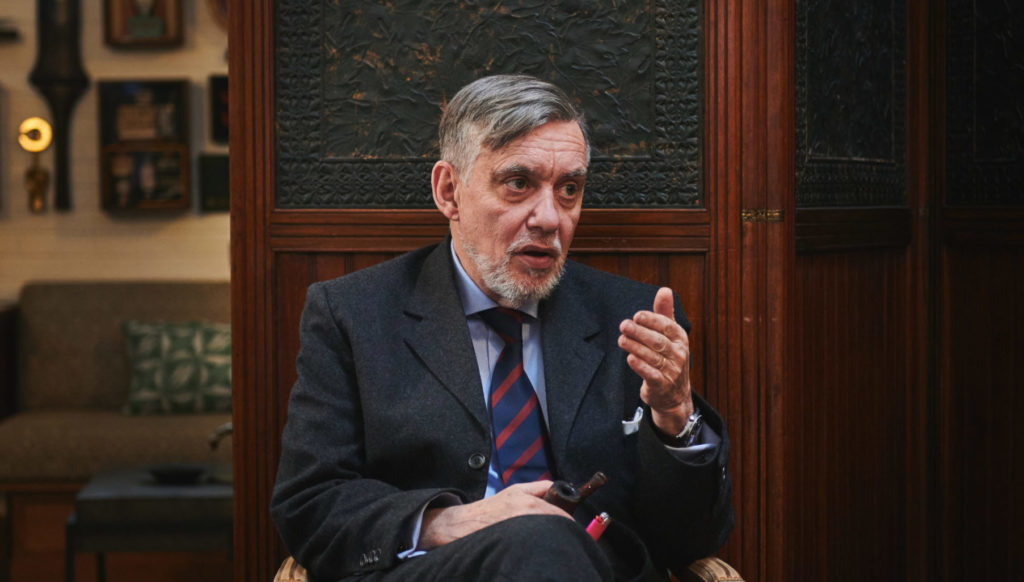
Russian-Ukrainian, former USSR diplomat under Brezhnev and Gorbachev, and author of an impressive literary work, Vladimir Fedorovsky gives Le Regard Libre his views on the conflict in Ukraine and its political and geopolitical consequences.




 French
  German
  English