While the Swiss people have settled – twice – the question of the amount of the audiovisual licence fee, at least for a while, the discussion on the offer provided by this compulsory levy must continue. The same applies to France.
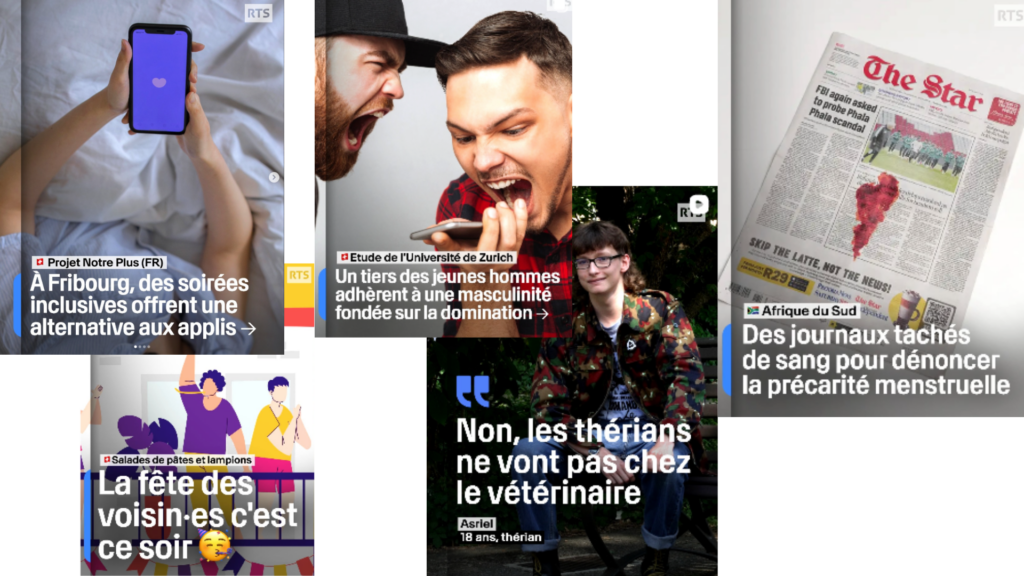
With Agora, the French-language media outlet «Le Peuple» has launched an unprecedented observatory of RTS news production, based on a public, reproducible methodology. Journalist Raphaël Pomey describes the genesis, results and democratic issues involved.
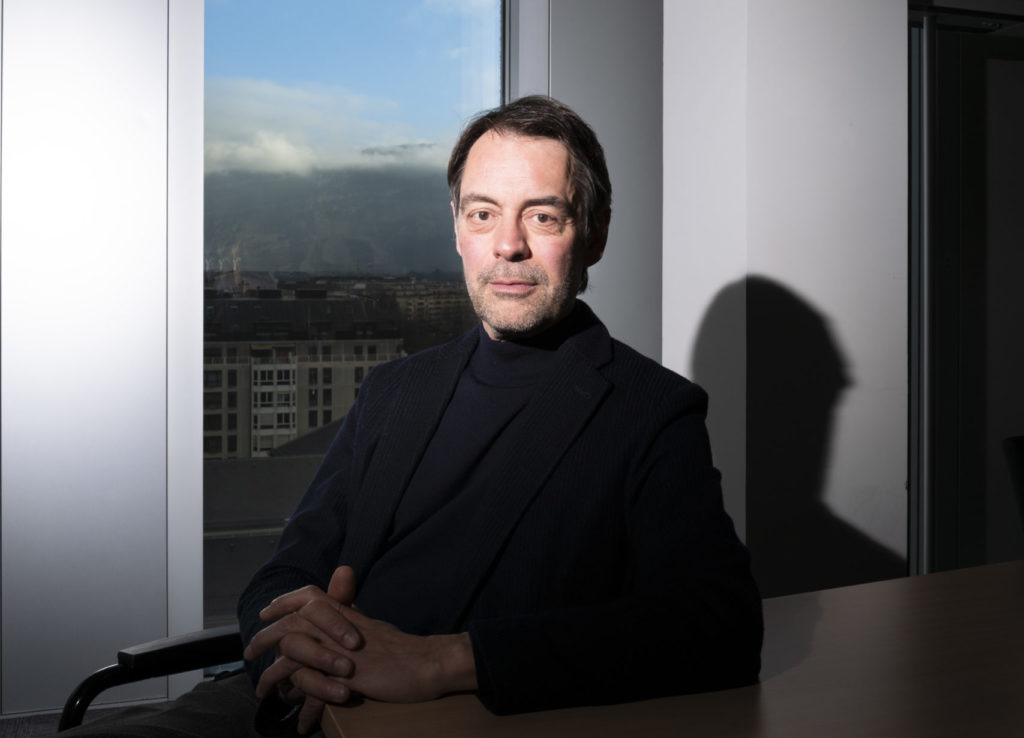
Placed at the heart of a heated national debate on the licence fee, accused of ideological bias and condemned to make savings, Switzerland's public broadcasting system is going through a turbulent period. Pascal Crittin, head of the French-speaking part of the company, responds to the critics.
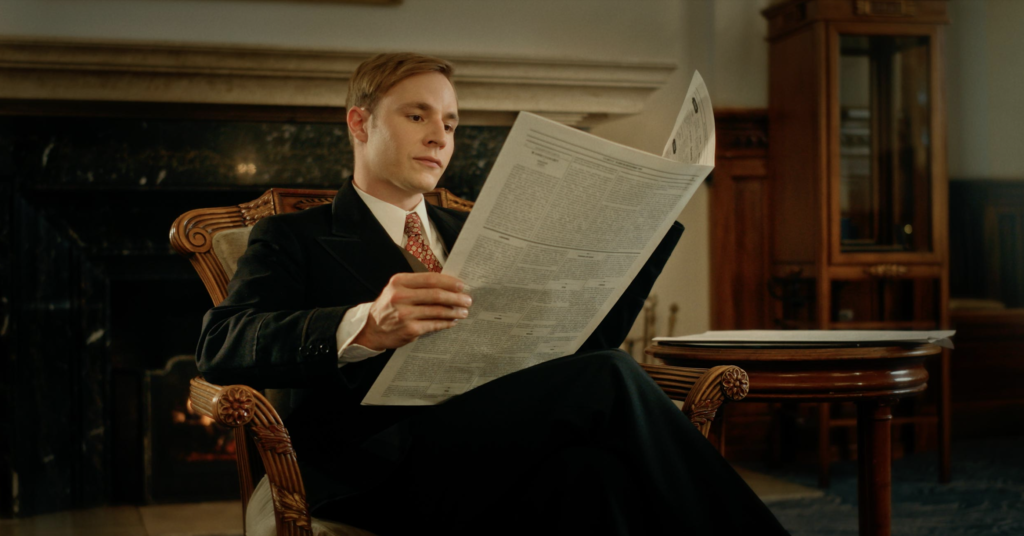
Shortly before the New Year, Radio Télévision Suisse (RTS) brought out the silver and crystal with a historical series produced in collaboration with Netflix. If this lavish work is also audacious, it lacks prodigiousness.
By temporarily suspending films starring Depardieu, the public broadcaster is making at least five mistakes in one. Not only do we have to distinguish between the man and the work, but this choice opens a Pandora's box, and RTS is shooting itself in the foot.
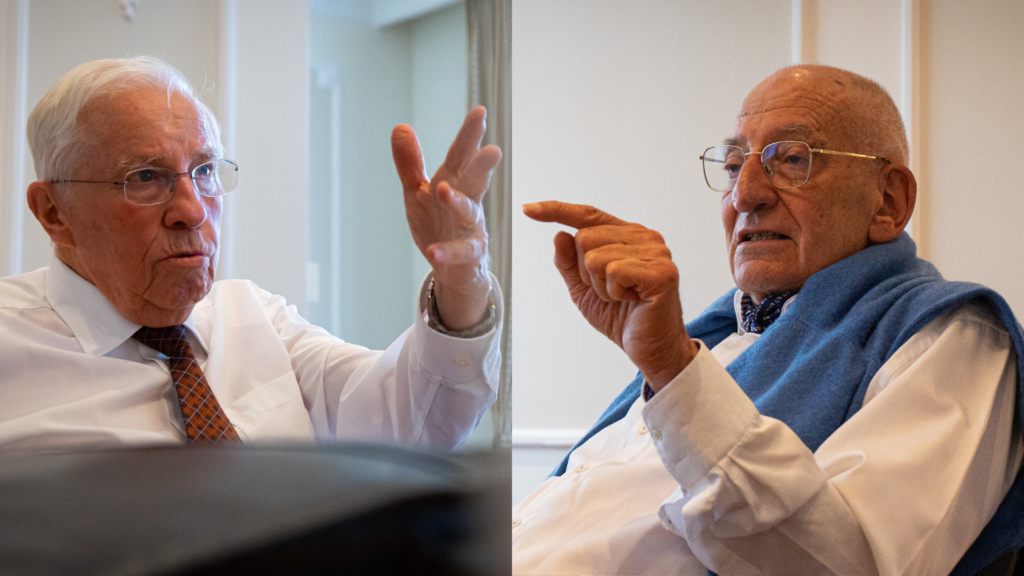
Immigration, Europe, the economy, the media... Former federal councillors Christoph Blocher and Pascal Couchepin met in Bern at the invitation of Regard Libre to share their views on Switzerland's current situation and the challenges it faces.
Getting vaccinated? An act of «responsibility»! Just like turning down your thermostat to 19°, stopping flying or cutting down on meat consumption. The rhetoric of the call to responsibility, omnipresent today, conceals a dark side.
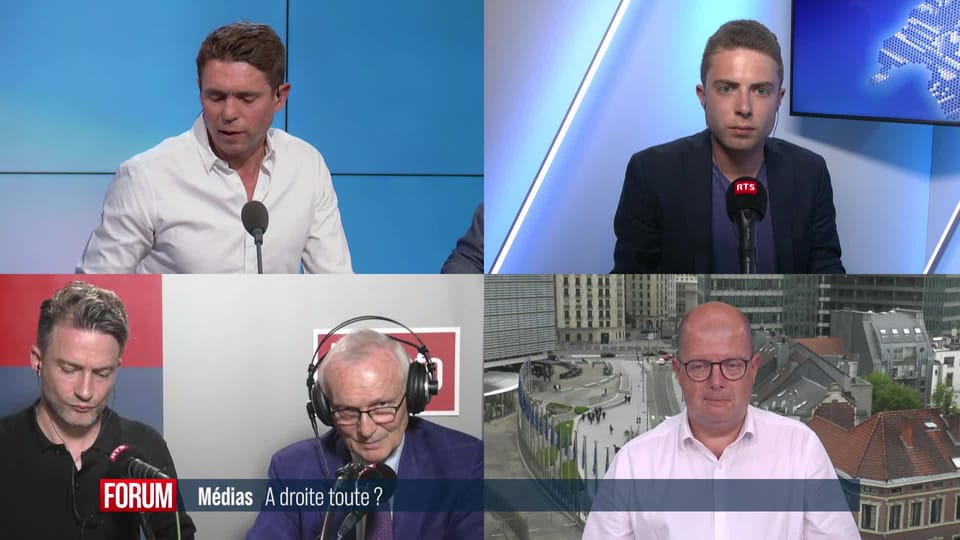
The uproar caused in the highest circles by the appointment of the former boss of «Valeurs actuelles» as director of the «Journal du dimanche» is selective and misplaced indignation. Here's a brief development of the point of view I expressed on RTS on July 4.
On March 2, an episode of «Temps présent» evoked the subject of «gender transitions». Entitled «Détransition, ils ont changé de sexe et ils regrettent» ("Transitions, they've changed sex and they regret it"), the program - which didn't fail to spark controversy - had the merit of breaking a taboo.






 French
  German
  English