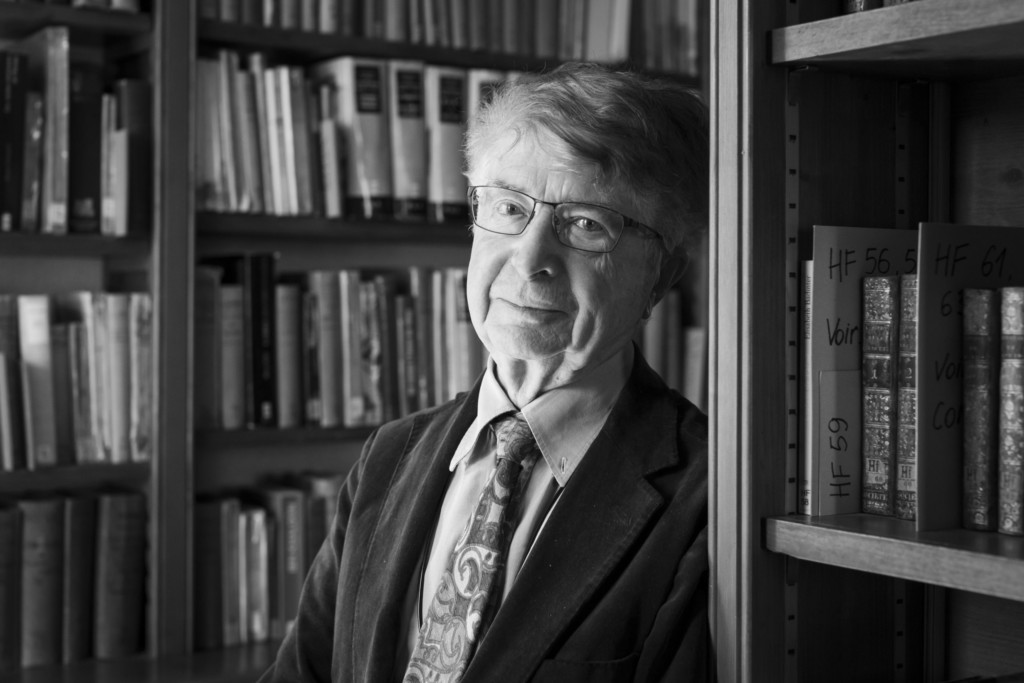
On June 28, we met Professor Georges Nivat, an eminent French Slavic scholar, at his home in Haute-Savoie. His hospitality is Russian, and the view splendid. He welcomes us to his garden, which he likes to take care of for an hour every morning before plunging into his work. Among other activities, Georges Nivat is currently translating the Ukrainian poet Vasyl Stus into French. The next day, he has a Zoom appointment with Kiev, an opportunity to exchange nuances of Ukrainian with the man who helped him acquire the language. The Russian world is his home; we hope to discover a few versts of it under his guidance.
ARTICLE LONG FORMAT, Clément Guntern | At the start of this new century, a new order is gradually taking hold: authoritarianism around the world is gaining in power, and the states claiming to be authoritarian are asserting themselves with increasing brutality. Russia and China are raising their voices and threatening reprisals against anyone who dares to criticize the state of democratic principles and human rights on their territory. While escalation with Russia remains measured, China is agitating, vituperating and sanctioning. For the time being, it is mainly on their own territories that these states are committing more and more crimes, but for powers with global ambitions, it is to be feared that this is an exportable model of governance. Democratic principles are now under direct threat. As a result, democratic states have a duty to respond firmly to authoritarian forces, while leaving the door open to collaboration.
After the best-selling Winter in Sokcho (2016) and The Pachinko Balls (2018), Elisa Shua Dusapin gave birth to a third novel last August: Vladivostok Circus (2020), which tells the story of Nathalie, a costume designer who travels to a circus in Vladivostok, Russia, on assignment. She has to create outfits for a trio of artists practicing the Russian barre. But between language barriers, shyness and downright discomfort, Nathalie struggles to carve out a place for herself in the group. A group that would represent society, in all its complex human relationships? Meet the author to find out more about her novel and herself.
Time travel with Christopher Nolan
The continent of globalization
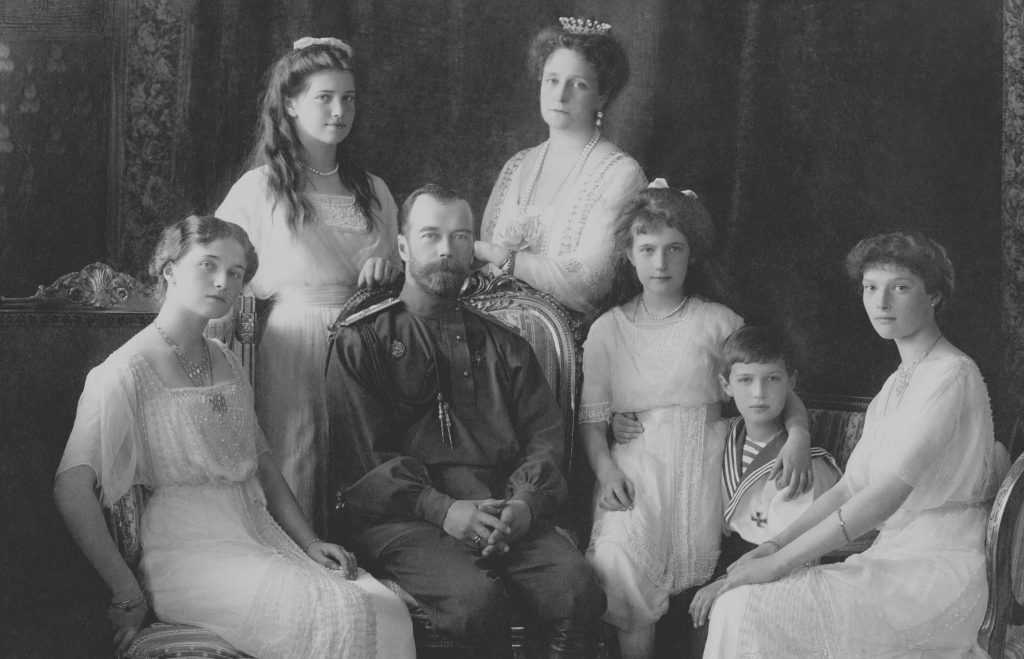
The last years of the Romanovs
Before his critique of the «society of sneers» in *The Man Who Cries with Laughter* (2020), but after his escapades as a cocaine-addicted advertising executive in *99 Francs* (2000), Octave Parango spent four seasons in Russia. In *Au secours pardon* (2007), Frédéric Beigbeder’s alter ego is as wretched, funny, fascinating, despairing, horrible, tragic, pathetic, and touching as ever.
Nostalgia of a poet in search of the Absolute
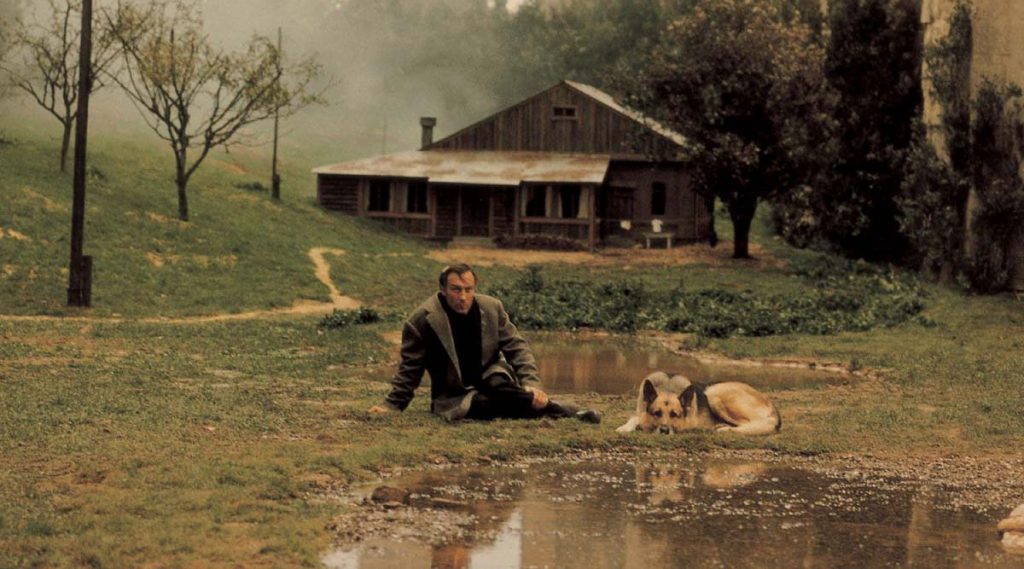
That breath is Andrei Tarkovski






 French
  German
  English