During her term of office, centrist Federal Councillor Viola Amherd advocated closer ties with NATO, provoking discontent on both left and right. Her surprise departure from the executive reshuffles the deck and leaves the country's strategic direction in an unstable global context in doubt. Debate between two federal representatives.
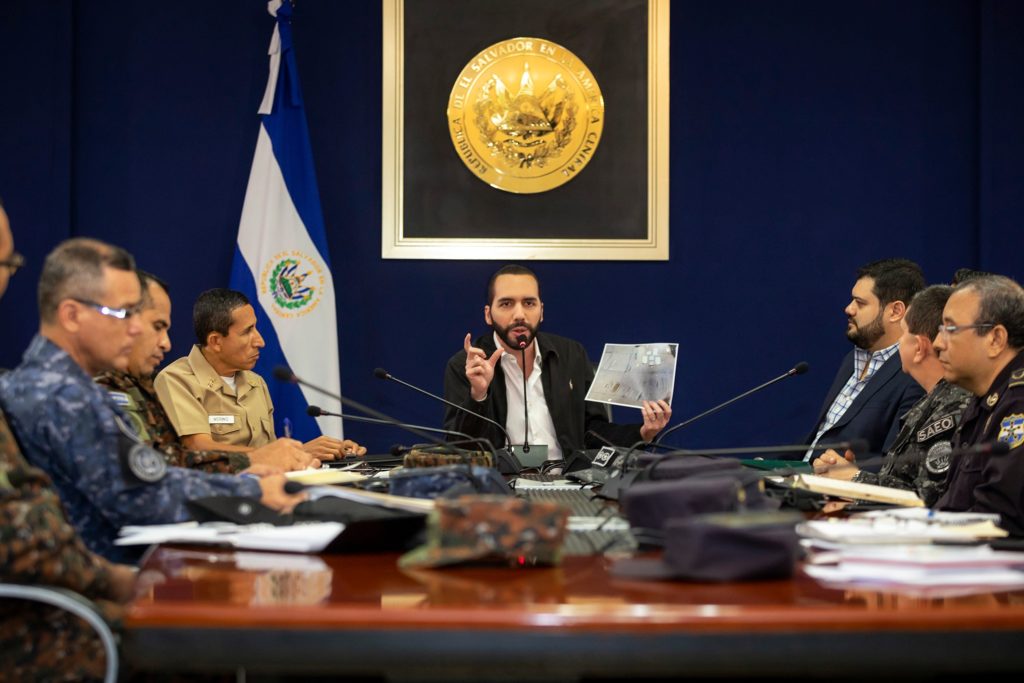
At the helm of El Salvador since 2019, Nayib Bukele is pursuing a shock policy to reduce crime. His vision of power is reminiscent of a classic of political philosophy: Thomas Hobbes« »Leviathan".
Over the decades, the Swiss militia system has fostered mutual understanding between the professional, political and associative worlds, as well as the pooling of knowledge. This is also true for the culture of prevention among the general public.
The New Popular Front, which came first in Sunday's second round of early legislative elections, does not have an absolute majority in the Assembly. France is right-wing, and Emmanuel Macron will have to take this into account when appointing the Prime Minister.
Since Russia's invasion of Ukraine, interest in military issues has grown, including in Switzerland. This is an opportunity to take a closer look at the history of the Swiss army and the way it has reconciled military objectives with democratic imperatives. A book invites us to do so.
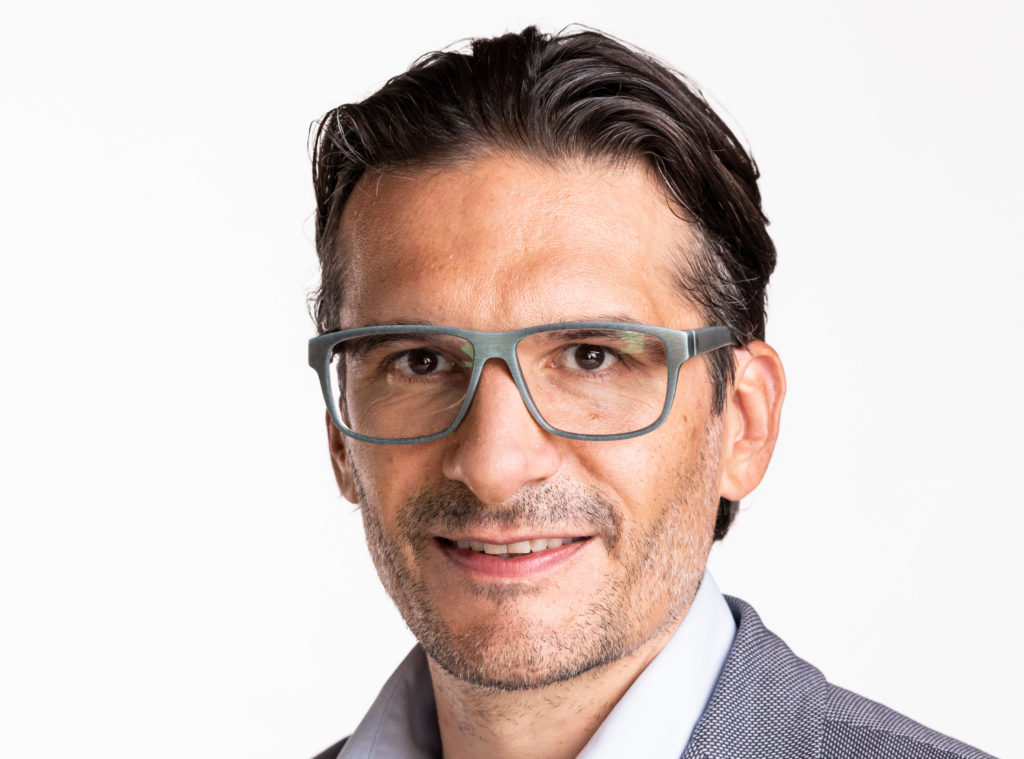
Faced with the growing challenges of IT security, Fribourg's Green National Councillor Gerhard Andrey stresses the need for a proactive approach in Switzerland. In his view, the state and companies are still lagging far behind.
The security challenge posed by the Olympic Games is the subject of heated debate in France. Senator Philippe Tabarot and Frédéric Péchenard, Vice-Chairman of the Ile-de-France Regional Council, welcome the law passed by the upper house.
ARTICLE LONG FORMAT, Clément Guntern | At the start of this new century, a new order is gradually taking hold: authoritarianism around the world is gaining in power, and the states claiming to be authoritarian are asserting themselves with increasing brutality. Russia and China are raising their voices and threatening reprisals against anyone who dares to criticize the state of democratic principles and human rights on their territory. While escalation with Russia remains measured, China is agitating, vituperating and sanctioning. For the time being, it is mainly on their own territories that these states are committing more and more crimes, but for powers with global ambitions, it is to be feared that this is an exportable model of governance. Democratic principles are now under direct threat. As a result, democratic states have a duty to respond firmly to authoritarian forces, while leaving the door open to collaboration.
Behind this book, a hypothesis for 2022







 French
  German
  English