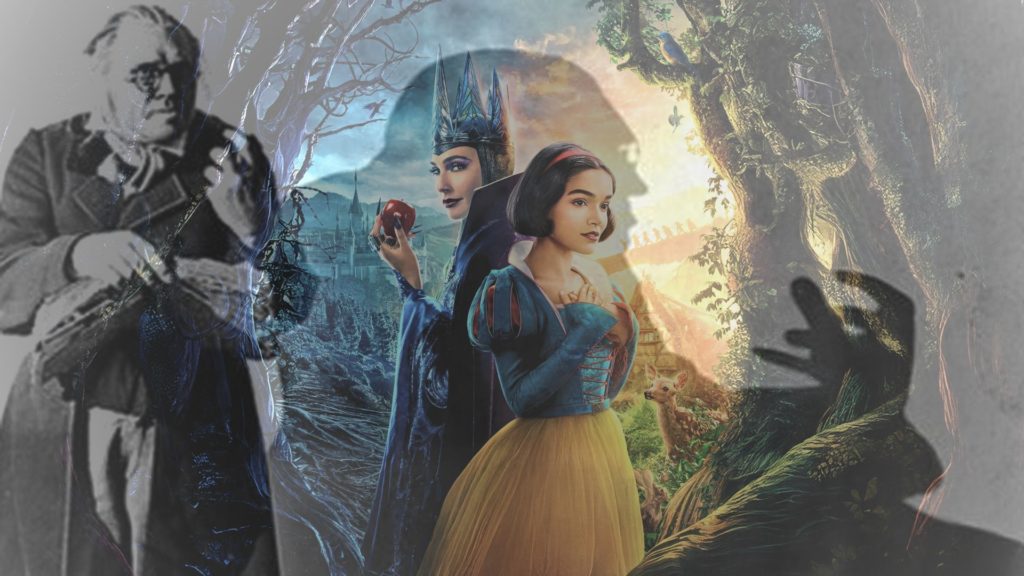
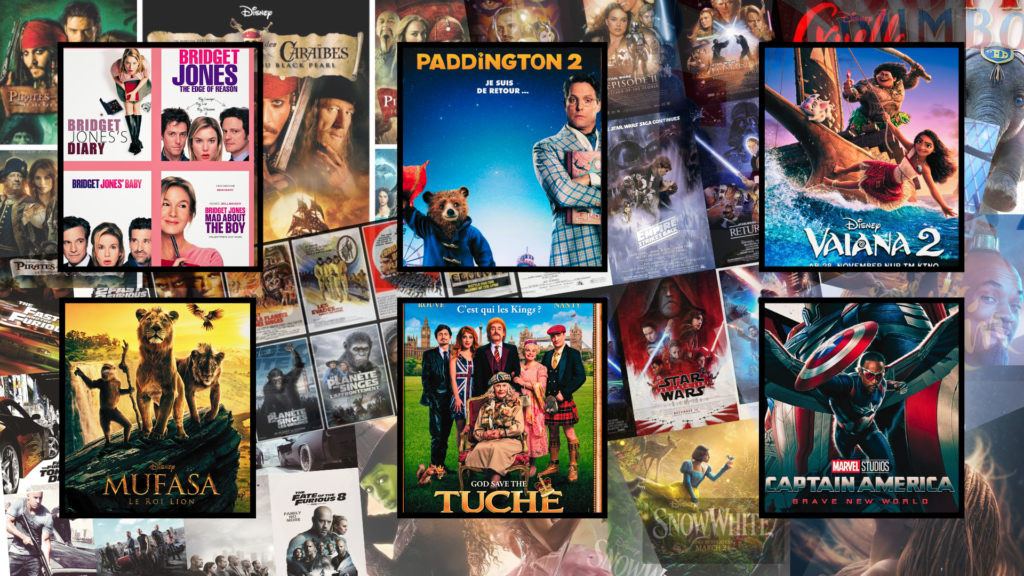
Remake, prequel, sequel, spin-off: these neologisms are all too familiar to contemporary audiences. Whether at the cinema or on platforms, films and series recycle the recipes of the past, a sign of an age that doesn't know how to reinvent itself.
Like no other genre, the Western reveals the extent to which the United States is focused on itself and its past. Each film is like the umpteenth self-therapy session, often navel-gazing - and increasingly repetitive.
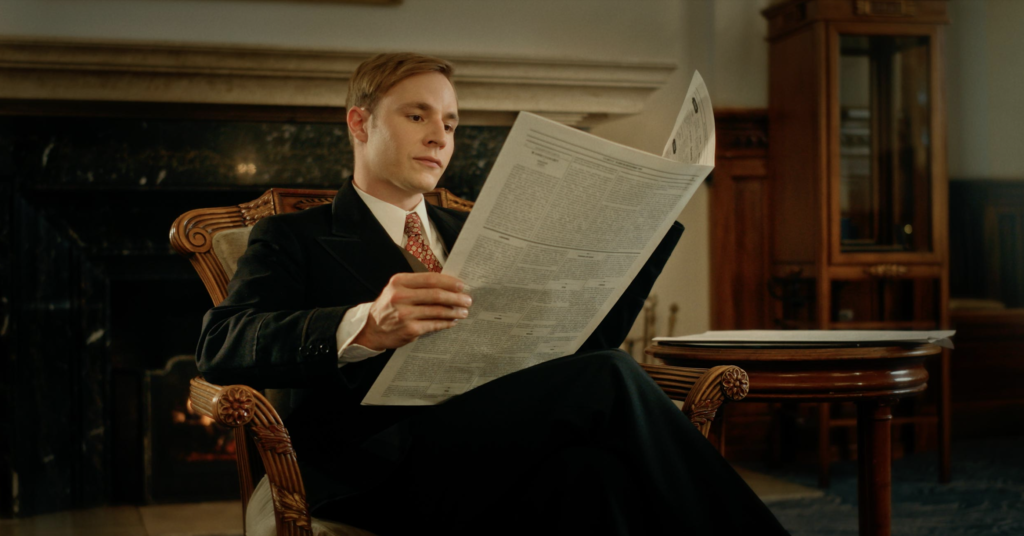
Shortly before the New Year, Radio Télévision Suisse (RTS) brought out the silver and crystal with a historical series produced in collaboration with Netflix. If this lavish work is also audacious, it lacks prodigiousness.
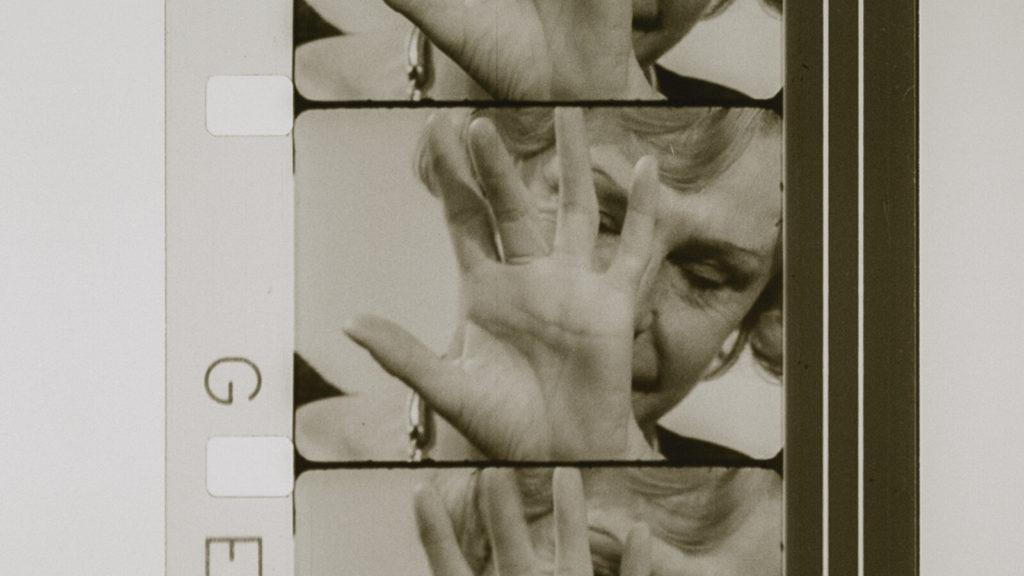
«Leni Riefenstahl», the umpteenth documentary about the German film-maker, explores what might have driven such a brilliant artist to place her talent at the service of the Nazi regime.
Simon Buisson, who has already won awards for his Stalk series about online harassment, has created a feature-length film on the same theme - while introducing a broader reflection on an ultra-connected society where the private sphere is fading away, to the point of disappearing.
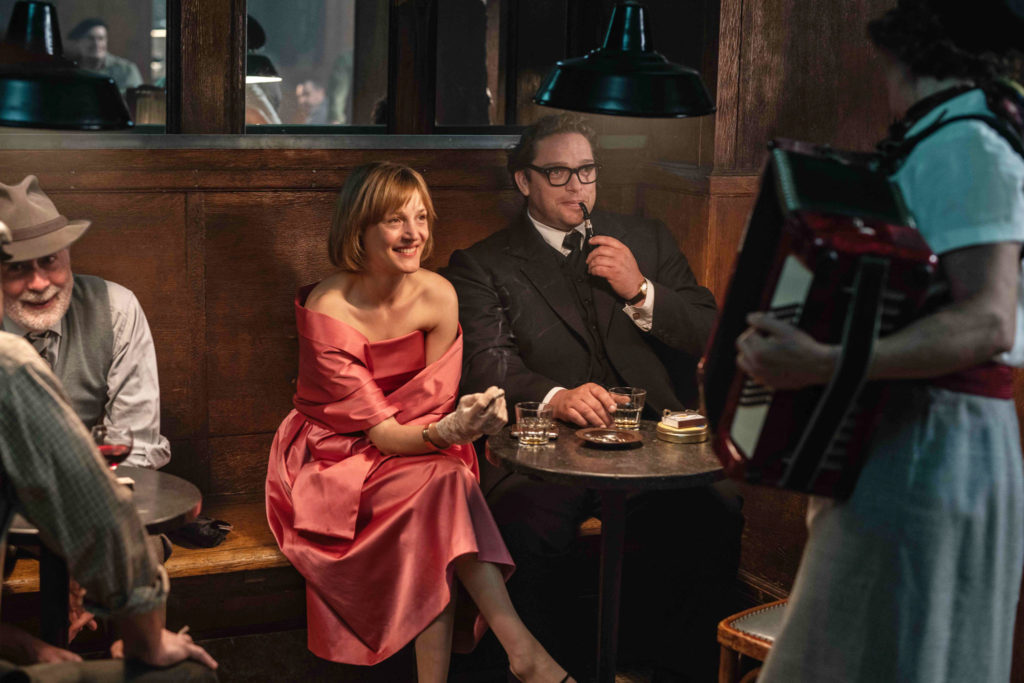
The octogenarian director Margarethe von Trotta, a figure of the new German cinema, signs a relentless and gripping biopic on the relationship between two other major protagonists of the 20th century German literary world: Ingeborg Bachmann and Max Frisch.
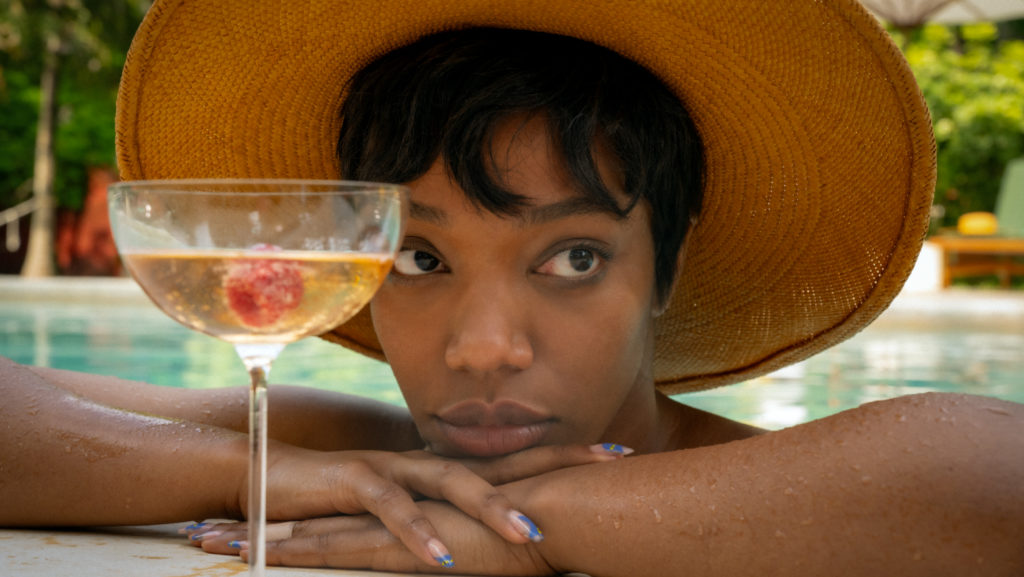
Zoe Kravitz's directorial debut, a psychological thriller, is a scathing denunciation of the «toxic masculinity» of billionaires. It's reminiscent of Jordan Peele's first opus, which used the genre to tackle racism.
Bruno Dumont has returned to our screens with nothing less than a retelling of the Star Wars myth. His film has not failed to divide audiences and press alike. With good reason.
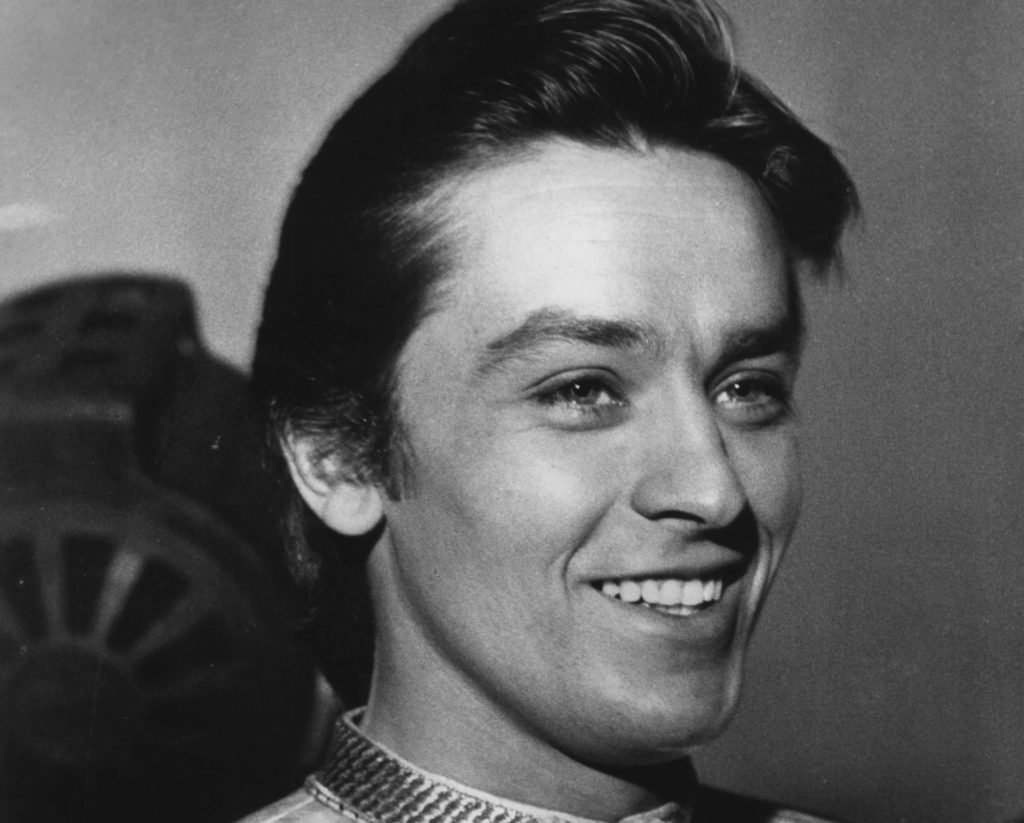
French philosopher Valentin Husson pays tribute to the illustrious actor, who died on Sunday at the age of 88: «He fascinated me because he terrified me, and vice versa.»





 French
  German
  English