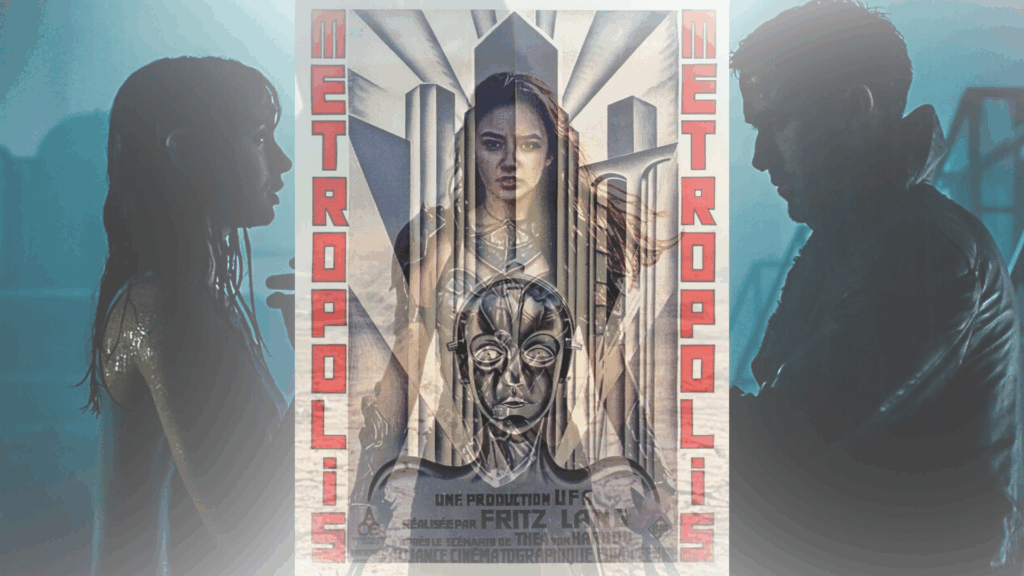
Ostracized by critics and shunned by audiences, Francis Ford Coppola's civilizational fresco illuminates the ethical and aesthetic dilemmas of Western culture.
Does a documentary imply a greater responsibility for the filmmaker than a work of fiction? Yes, without a doubt - at least, that's the postulate I'm defending at the end of the Les Diablerets International Alpine Film Festival.
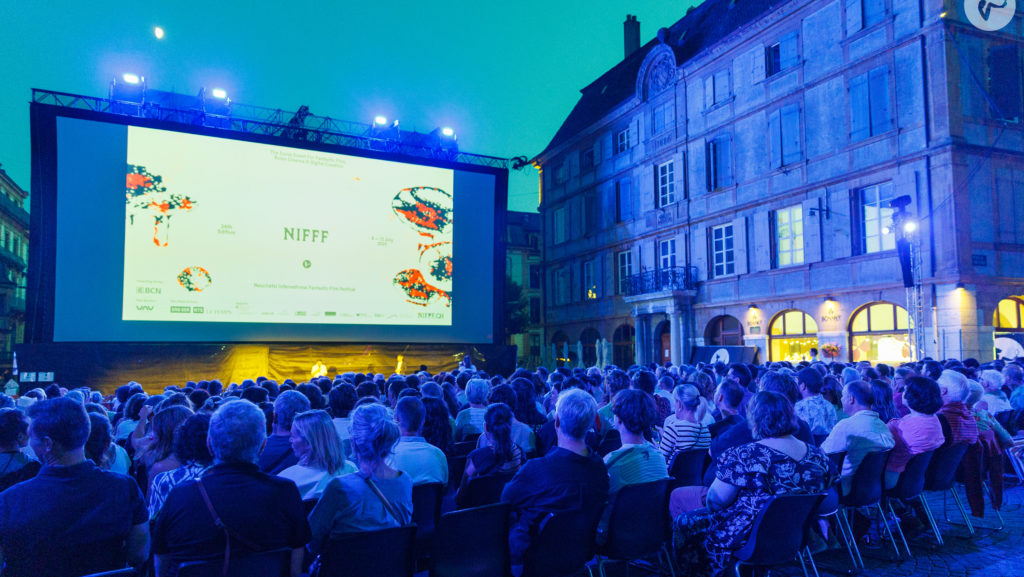
This month, our columnist explores the apparent contradiction between declining cinema attendance and the growing success of film festivals.
Having deplored the laziness of remakes and endless film sequels, our columnist now turns to the pitfalls of adaptations of literary works. Or when hubris pushes us to want to do better than the original work.
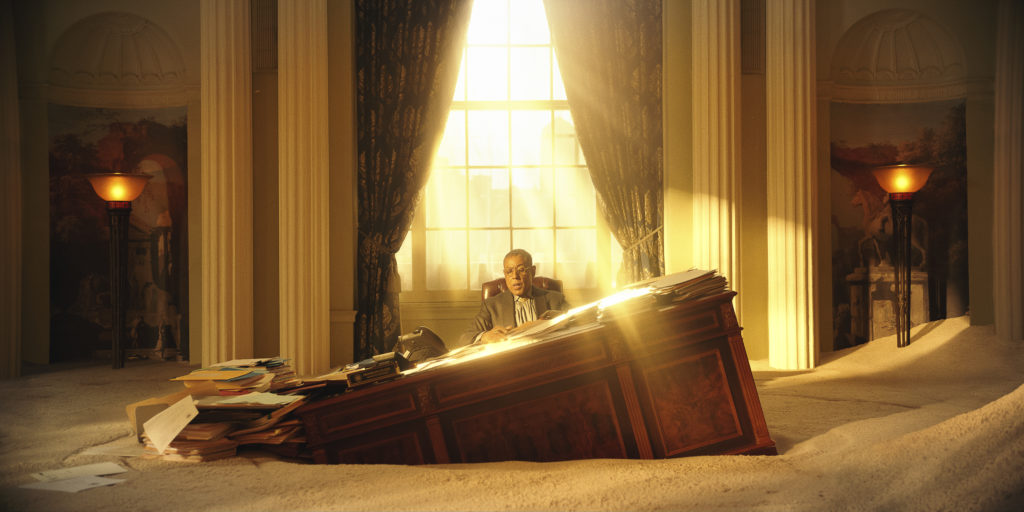
When the leader of a nation proposes to broadcast a work of fiction to educate students, it's time to ask whether it's a good idea to rely on it to shape our relationship with reality.
This month, our columnist seeks to understand Western audiences' growing disinterest in the entertainment giant's productions, through the work of journalist and sociologist Siegfried Kracauer.
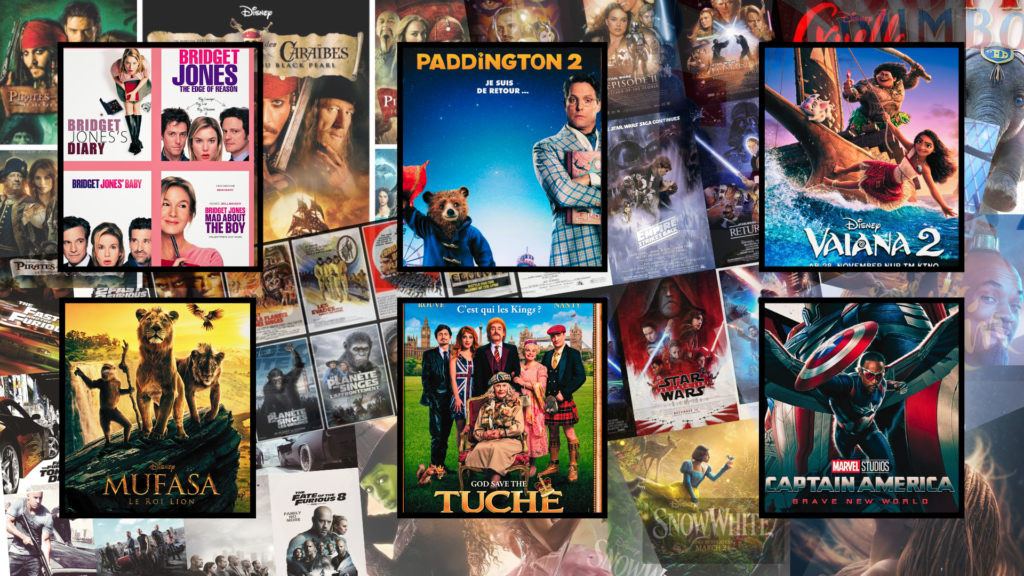
Remake, prequel, sequel, spin-off: these neologisms are all too familiar to contemporary audiences. Whether at the cinema or on platforms, films and series recycle the recipes of the past, a sign of an age that doesn't know how to reinvent itself.
Like no other genre, the Western reveals the extent to which the United States is focused on itself and its past. Each film is like the umpteenth self-therapy session, often navel-gazing - and increasingly repetitive.
Shortly before the New Year, Radio Télévision Suisse (RTS) brought out the silver and crystal with a historical series produced in collaboration with Netflix. If this lavish work is also audacious, it lacks prodigiousness.






 French
  German
  English