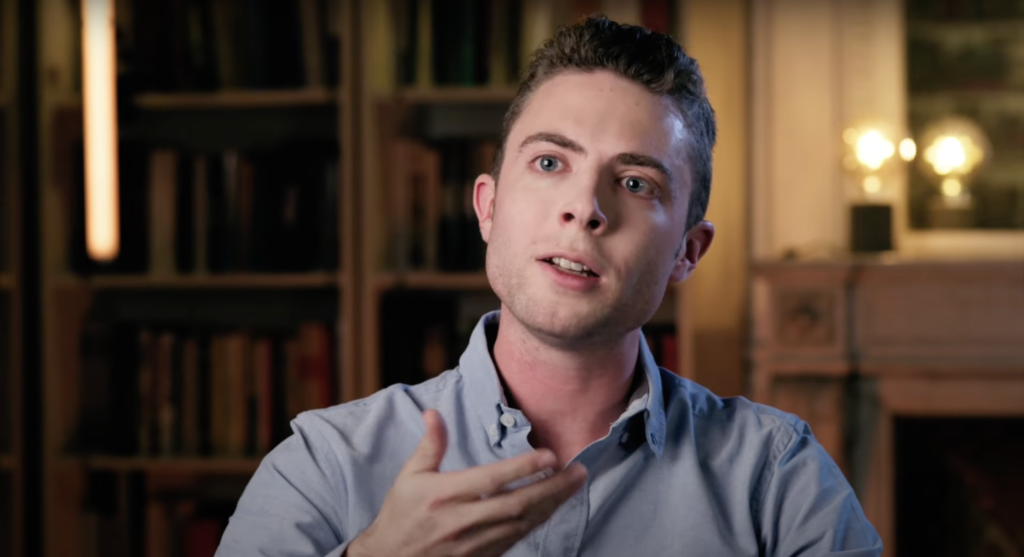
The Liber-thé media recently invited me to take part in a video interview on the subject of wokism and how it can be criticized from a classical liberal point of view. The Ligue vaudoise also invited me to speak on the subject on a Wednesday in March. Here's what I had to say.
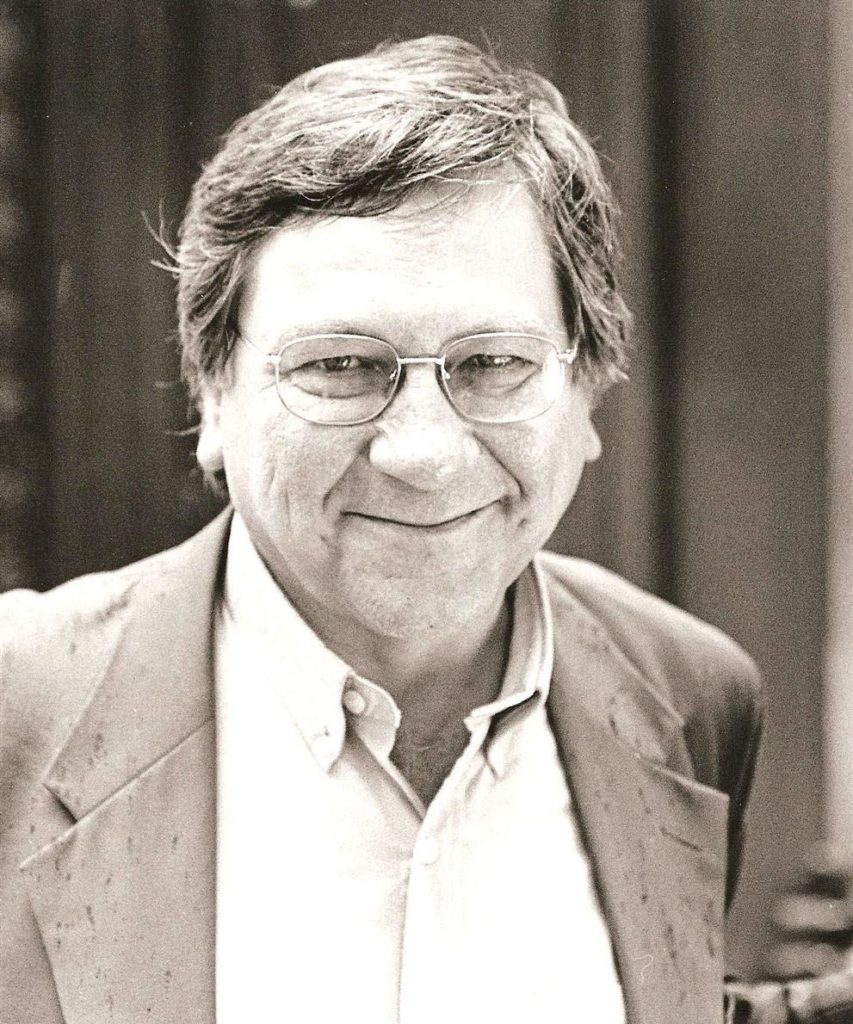
Au Salon du Livre de Genève, le 26 mars dernier, Le Regard Libre a organisé une rencontre avec Jean-François Braunstein, auteur de l’essai remarqué «La religion woke». Cet entretien a réuni un large public et a donné lieu à un témoignage fort de la part d’une étudiante.
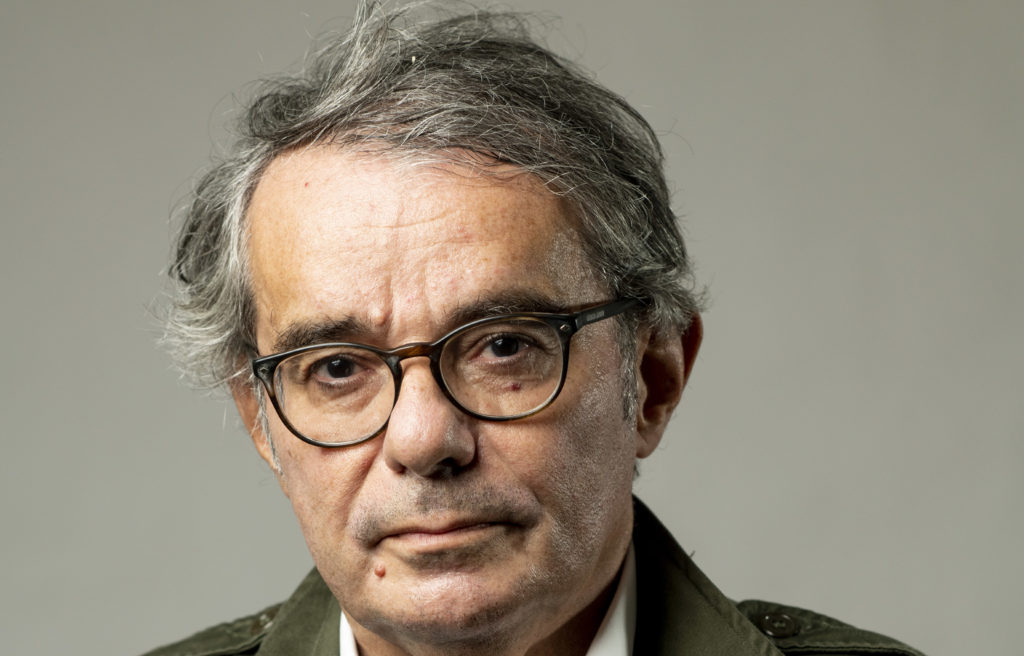
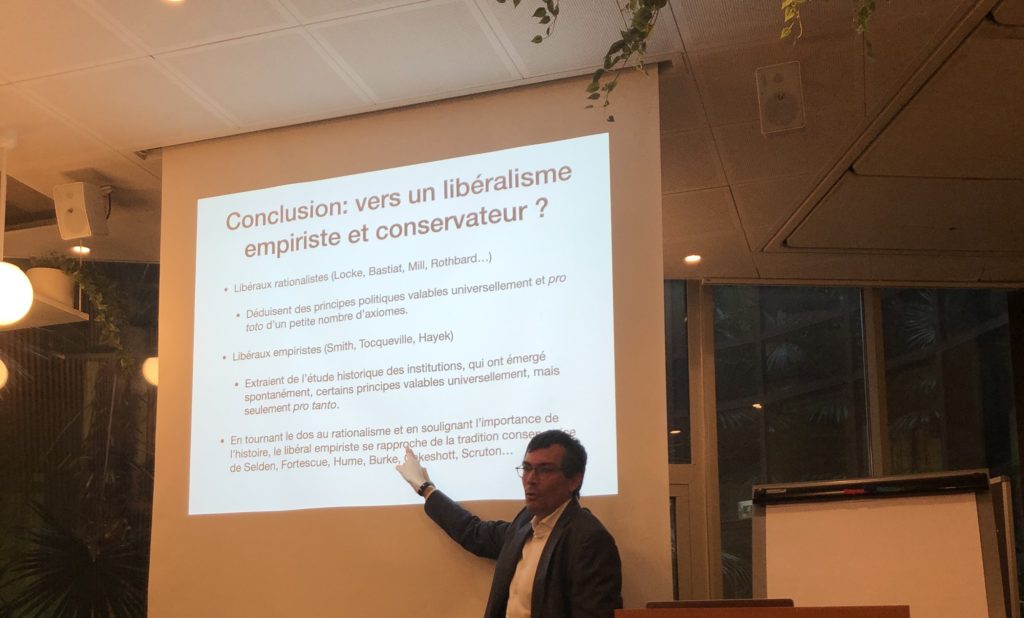
Samedi, à la Journée libérale romande co-organisée par Le Regard Libre, le directeur de l'Institut de philosophie de l'Université de Neuchâtel Olivier Massin a montré quel type de libéralisme il est sage de défendre si l'on tient à l'idée d'éducation. Saisissant.
Today's schools, under the rule of the educational sciences, wander at random. Like a headless hen, it rushes along according to fashions and intellectual currents. To save it, we urgently need to answer the question of the purpose of education.
Au box-office médiatique de ce début d’année, il y a le drame ukrainien, la menace climatique, les prix qui s’envolent, et… les Sussex. Une série sur Netflix, des mémoires sorties le 10 janvier: Harry et Meghan sont partout. Célèbres? Oui, d’une certaine façon…
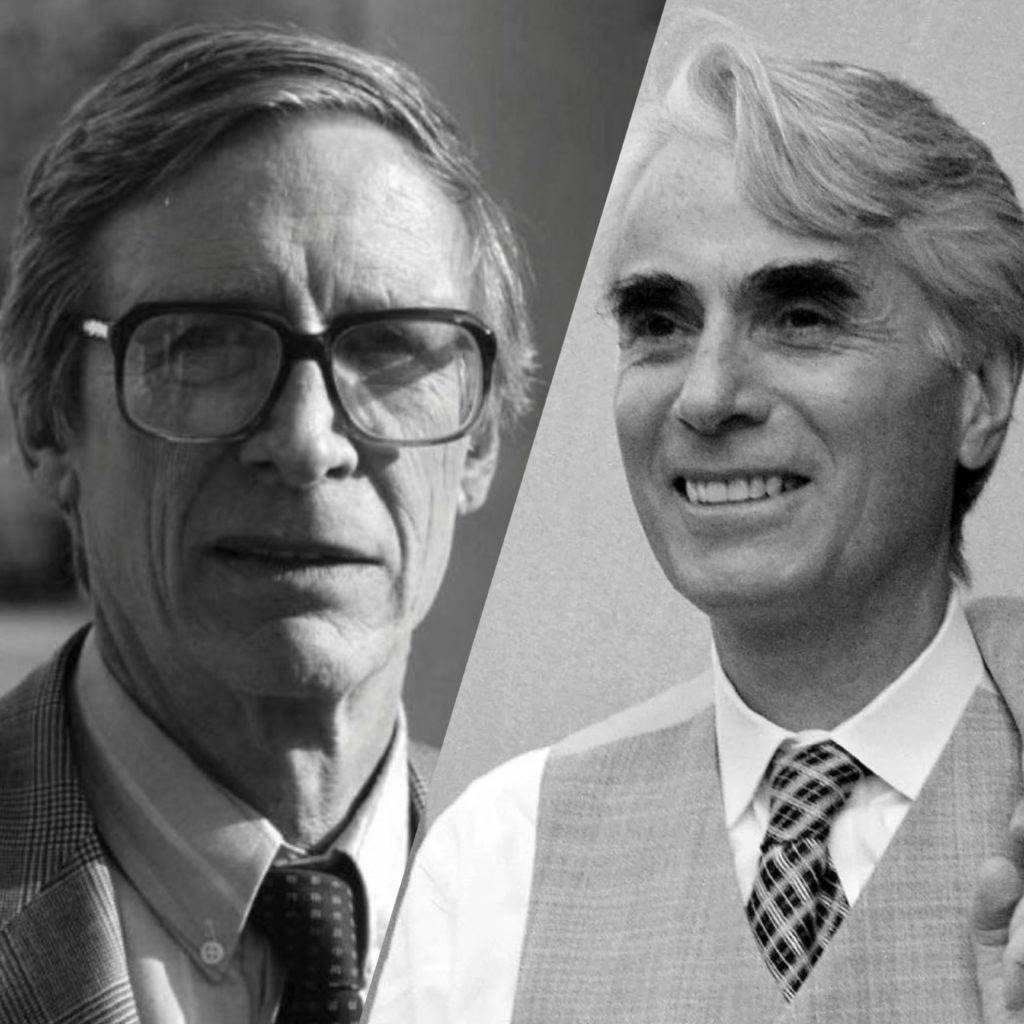
While John Rawls defines the redistributive tax as an application of the principle of equity to compensate for inequalities between individuals, Robert Nozick likens it to forced labor. This twentieth-century controversy is still with us today. Regards croisés.
The provocative French MP Sandrine Rousseau recently saw fit to proclaim the existence of a «right to laziness». Emotion on all sides. But why does the association of these two terms go so wrong? Let's take a look at the concept of laziness.
Les projecteurs viennent de s’éteindre sur le Qatar, hôte très décrié de la Coupe du monde de football en raison de son respect tout relatif des droits humains. De fait, le Qatar s’assoit sur un concept central à toute société démocratique: l’égalité.
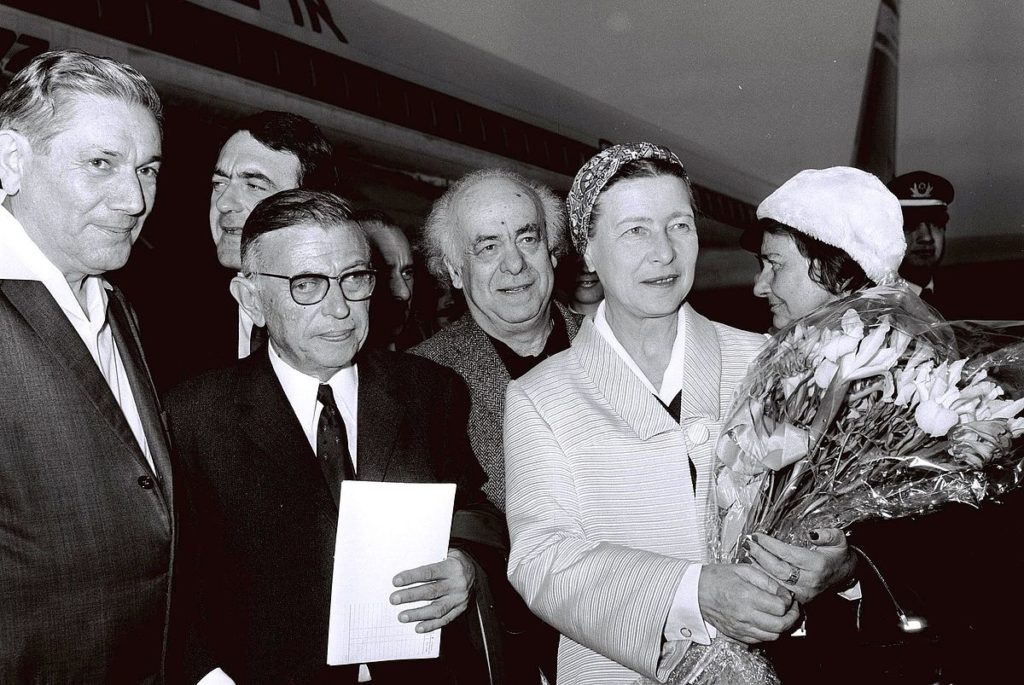
«We're not born women, we become them»: Simone de Beauvoir's famous phrase is often quoted today to justify the idea that we can decide our own sex. But Beauvoir was not thinking of putting biological reality into perspective.





 French
  German
  English