Physicist and philosopher of science Etienne Klein is in Fribourg to present his latest essay «Courts-circuits». At the crossroads of personal narrative and intellectual spark, he invites us to share his reflections as he makes disciplines talk to each other.
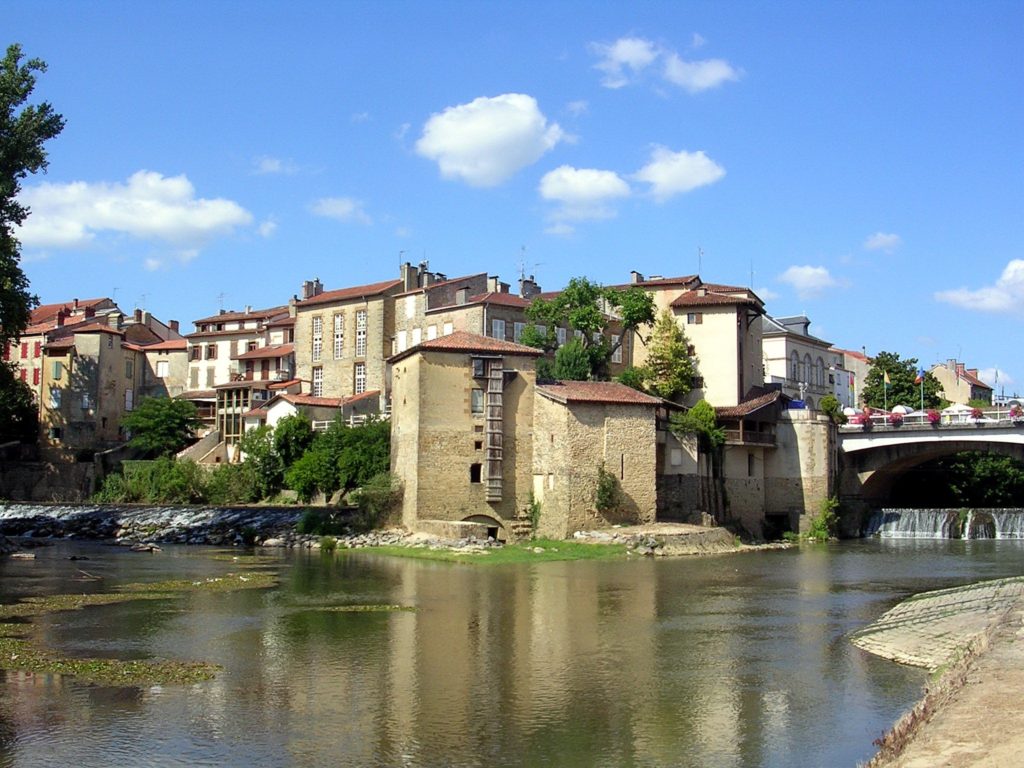
A leading essayist on the French intellectual scene, Jean-Claude Michéa now lives in a remote village in southwest France. A look back at his singular work and career.
In a podcast published in September 2019, entitled «My body, my choice», the hosts of the online media Liber-thé presented their arguments in favor of drug legalization. A purely liberal argument, not without a major weakness.
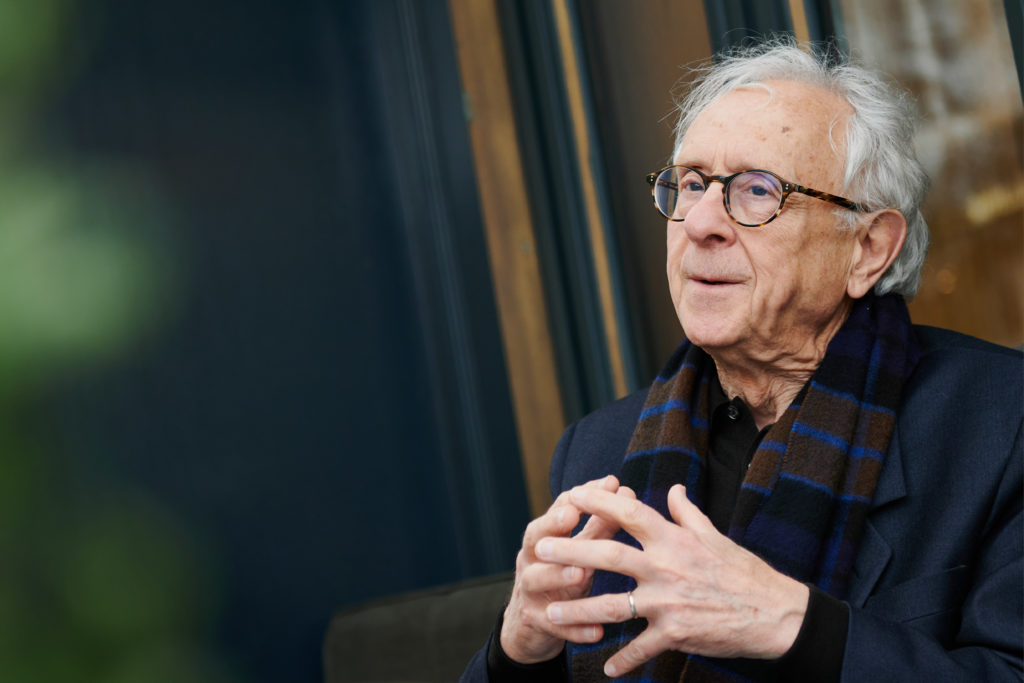
Founder of the journal Commentaire, notably with Raymond Aron, Pierre Manent was for many years director of studies at EHESS. Now retired, the philosopher continues his rich intellectual work. We meet to discuss his latest essay, «Pascal et la proposition chrétienne».
Many of those whose existence today consists of tracking down and fighting «wokism» everywhere tend to equate it with Marxism. A simplistic and somewhat haphazard association, far from unanimous.
The Liber-thé media recently invited me to take part in a video interview on the subject of wokism and how it can be criticized from a classical liberal point of view. The Ligue vaudoise also invited me to speak on the subject on a Wednesday in March. Here's what I had to say.
At the Geneva Book Fair on March 26, Le Regard Libre organized a meeting with Jean-François Braunstein, author of the acclaimed essay «La religion woke». The interview was well attended, and included a powerful testimonial from a student.
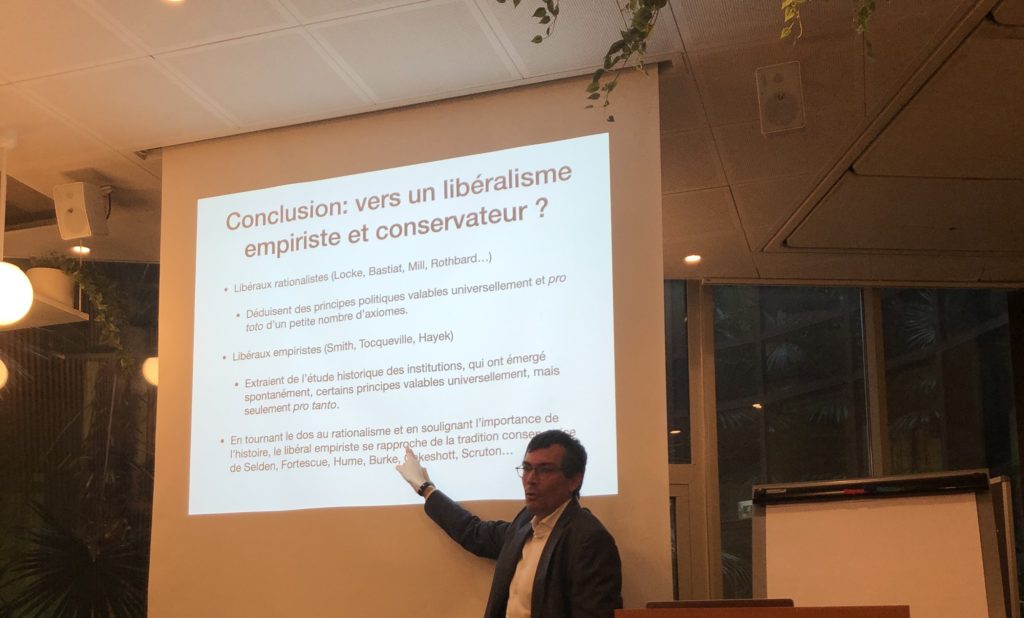
On Saturday, at the Journée libérale romande co-organized by Le Regard Libre, Olivier Massin, Director of the Institute of Philosophy at the University of Neuchâtel, showed what kind of liberalism it is wise to defend if you value the idea of education. Striking.
Today's schools, under the rule of the educational sciences, wander at random. Like a headless hen, it rushes along according to fashions and intellectual currents. To save it, we urgently need to answer the question of the purpose of education.







 French
  German
  English