DOSSIER «L’HOMME ET L’ANIMAL» Pendant longtemps, les hommes ont jugé les animaux selon leur système de pensée, en général pour affirmer leur suprématie sur eux. Il faudra attendre le XXe siècle pour que le comportement animal soit étudié systématiquement et qu’un jugement équilibré puisse ainsi être formulé à leur égard. La vision que nous donne la science est désormais plus nuancée. Et la plupart de nos grandes certitudes – le rire est le propre de l’homme, les animaux n’ont ni culture ni morale, l’outil fait l’homme, etc. – sont aujourd’hui dépassées. Nous présentons ici certaines des découvertes les plus surprenantes, comme la capacité des animaux à utiliser des symboles ou leur sens de l’empathie et de la coopération. Des faits scientifiques qui nous les rendent plus proches et nous aident à mieux nous comprendre nous-mêmes.
Le Regard Libre N° 84 – Antoine Bernhard Dossier «L’homme et l’animal» C’est une revendication qui fait florès aujourd’hui: il faudrait...
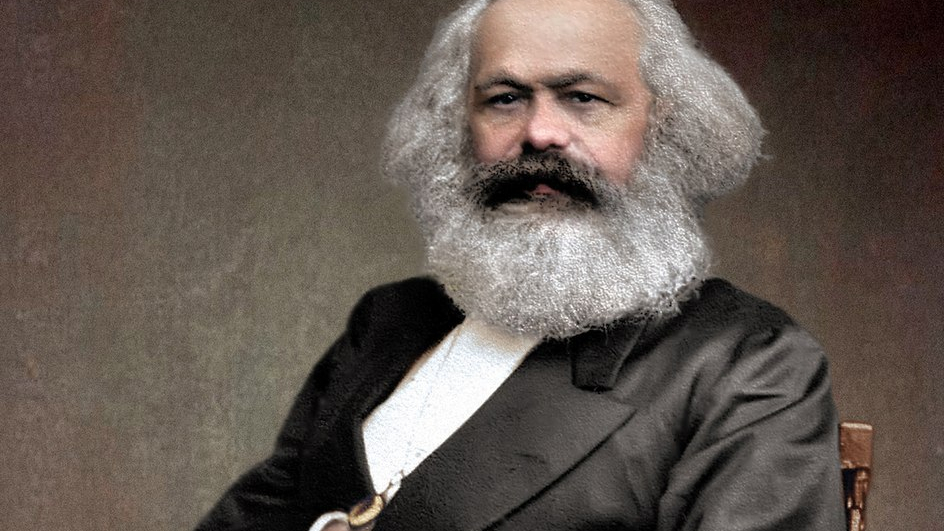
ANALYSE, Olivier Meuwly | «On peut plaider que pour une part la capacité de réformes des régimes capitalistes est due à Marx lui-même», se demande non sans s’en amuser Raymond Aron dans son fameux cours sur le marxisme de Marx, prononcé à La Sorbonne au début des années 1960, puis au Collège de France une décennie plus tard, et publié en 2002 par Jean-Claude Casanova aux défuntes Editions de Fallois. Aron s’abandonne-t-il à sa coutumière ironie? Ou faut-il se demander si, derrière l’aphorisme provocateur, affleurent non seulement la profonde admiration que le grand libéral français a toujours témoigné à l’égard du père fondateur du «socialisme scientifique», mais aussi un avertissement à l’attention de ceux qui font profession d’analyser… ou pratiquer ce même capitalisme?
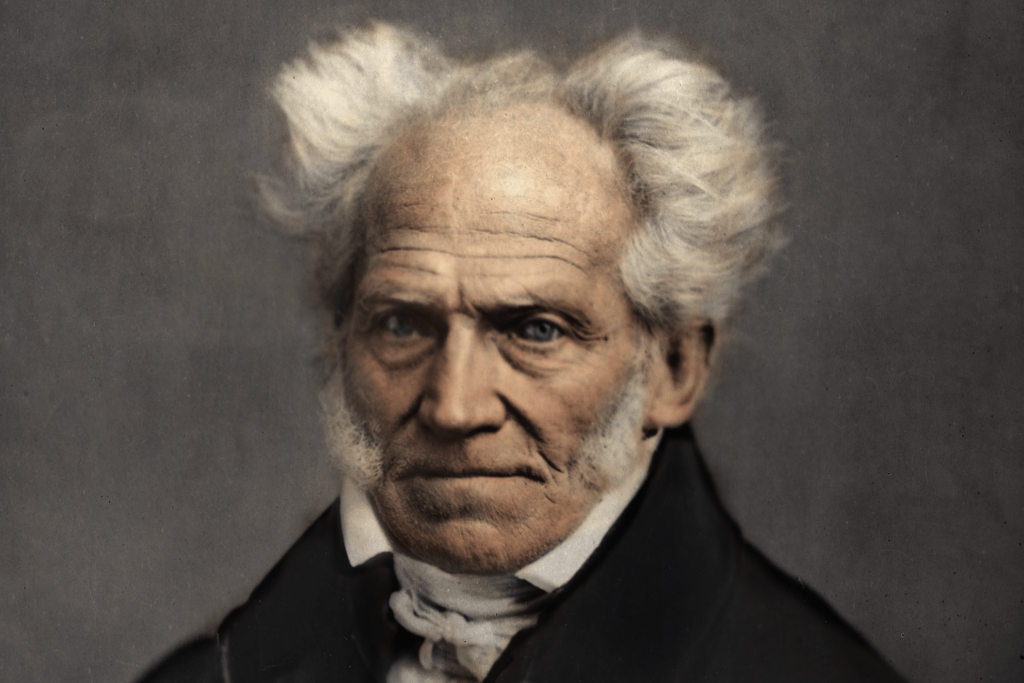
ARTICLE LONG FORMAT, Danilo Heyer | On entend souvent ce refrain: «il ne faut être ni pessimiste, ni optimiste, mais réaliste!». Soit, gardons-nous d’édulcorer l’avenir. Bien insuffisante se révèle néanmoins cette position pour qui désire savoir si le monde est essentiellement bon ou mauvais; si la vie vaut la peine d’être vécue; si l’existence peut se justifier. Pour ce faire, il y aurait à porter un jugement métaphysique dont ce réalisme est bien incapable. On connaît surtout Arthur Schopenhauer, ce philosophe allemand du XIXe siècle, pour son pessimisme radical. Aurait-il toutefois offert au monde rien qu’une philosophie d’aigri, ainsi qu’on le prétend parfois? Une lecture attentive révèle un étonnant mélange de pessimisme et d’optimisme au cœur d’une philosophie pratique qui s’avère lucide et d’un grand secours pour tout un chacun. En fin de compte, le bonheur serait-il atteignable?
LONG FORMAT ARTICLE, Enzo Santacroce | Nietzsche, the multi-faceted philosopher, was as much reclaimed and hijacked by Nazi ideology as by the anarchist forces driving the students of May '68. How can we explain the fact that the thinking of this brilliant mind has been co-opted by both brown and red? The German philosopher's fragmented and deliberately shocking statements certainly contributed to his misunderstanding. However, his lucid critique of a Western society now living without transcendence is highly topical, in that the only acceptable value today is that of health, understood as the annihilation of suffering. Aware of this decline early on, Nietzsche developed a tonic response based on the will expressed by the body, finally rehabilitated in its desiring dimension.
The University of Toronto psychology professor, the clinician, the youtuber with over four million subscribers, the speaker who attracted no less than half a million listeners to 160 venues in one year, and the author of the bestseller 12 Rules for Life: An Antidote to Chaos, recently published 12 New Rules for Life: Beyond Order. I'm talking about Jordan Peterson. What does this figure from the intellectual dark web bring to this sequel? And what can we say about his thinking, given that the overwhelming majority of the mainstream media misread his previous work as much as they criticized it with sophisms of all kinds?
ARTICLE LONG FORMAT, Antoine Vuille | Each month, a guest editor examines a cliché about a philosopher. For once, this article focuses on a prejudice about philosophy itself. To understand what this discipline is and what it's for, we need to break down two clichés about it: the first concerns its object, the second its method.
Le Regard Libre N° 77 – Enzo Santacroce Série «Les préjugés à l’égard des philosophes», épisode #2 S’il est un philosophe...
Each month, Le Regard Libre presents a philosopher whose thinking differs from, or even runs counter to, the clichés that circulate about him. Historian Olivier Meuwly opens the ball by arguing that Georg Wilhelm Friedrich Hegel did not advocate an authoritarian state. On the contrary, our guest editor locates certain theoretical foundations of liberalism at the heart of the Hegelian system. Direct democracy itself is no stranger to the German's vision, according to the historian.








 French
  German
  English