One of Star Wars' main characters has returned in recent weeks in a mini-series: Obi-Wan Kenobi. The Jedi Order decimated,...
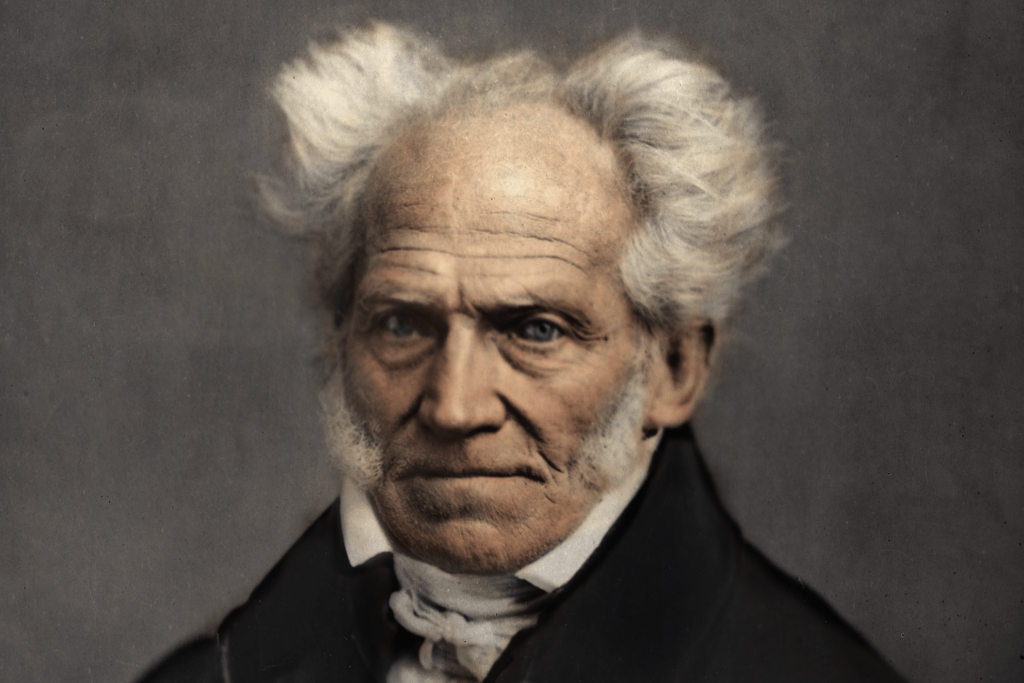
LONG FORMAT ARTICLE, Danilo Heyer | We often hear the refrain: «We must be neither pessimistic nor optimistic, but realistic! So let's not sugarcoat the future. But it's an inadequate position for anyone who wants to know whether the world is essentially good or bad; whether life is worth living; whether existence can be justified. To do so, one would have to make a metaphysical judgment of which this realism is quite incapable. Arthur Schopenhauer, the 19th-century German philosopher, is best known for his radical pessimism. But would he have offered the world anything more than an embittered philosophy, as is sometimes claimed? A careful reading reveals a surprising mix of pessimism and optimism at the heart of a practical philosophy that proves lucid and of great help to everyone. After all, is happiness attainable?
The University of Toronto psychology professor, the clinician, the youtuber with over four million subscribers, the speaker who attracted no less than half a million listeners to 160 venues in one year, and the author of the bestseller 12 Rules for Life: An Antidote to Chaos, recently published 12 New Rules for Life: Beyond Order. I'm talking about Jordan Peterson. What does this figure from the intellectual dark web bring to this sequel? And what can we say about his thinking, given that the overwhelming majority of the mainstream media misread his previous work as much as they criticized it with sophisms of all kinds?
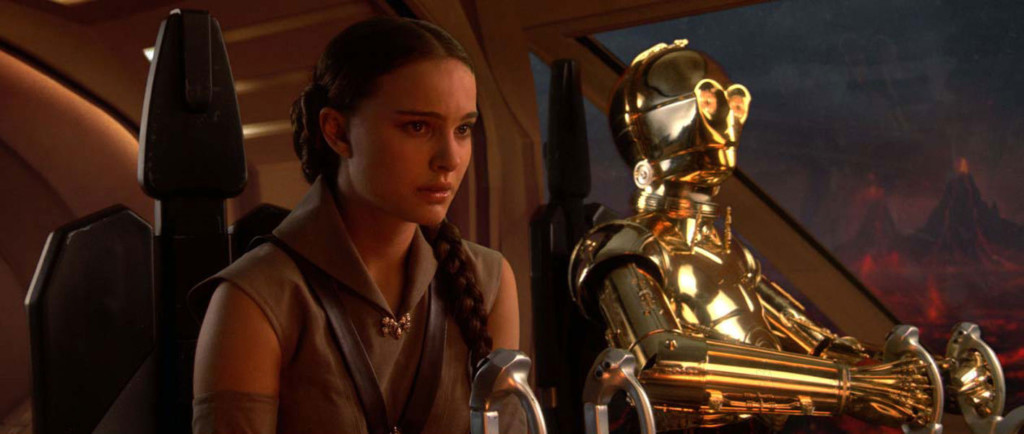
Danilo Heyer looks back at «Revenge of the Sith» after the many debates about the latest Star Wars films.»
Should we see it? Of course.
Last May, in a videoconference speech on the theme of financing development in poor countries, our current President Simonetta Sommaruga defended her vision of a global society: less unequal, more sustainable and better able to meet the challenges of societal change, including the current pandemic and climate change. But if this banal speech struck me, it's because she also wanted tomorrow's world to be... fairer! By this, the Socialist Federal Councillor didn't really mean justice, but social justice. So what is this notion that we come across so often? Does it have anything to do with traditional justice?
In talking only about the books we like and recommend, we sometimes lose sight of the famous...
Two outsiders facing a changing world
The only goal? To please Twitter!











 French
  German
  English