The SVP has seized on a real phenomenon
ARTICLE LONG FORMAT, Antoine Bernhard | Fifty years after the arrival of women's suffrage in Switzerland, the Socialists want to extend it across the board to foreigners living in the country. In January, the party tabled a parliamentary intervention and launched an online petition to promote the «right to vote for all». With this demagogic operation, the SP is revealing its revolutionary nature and demonstrating that it is often the enemy of the people. Analysis.
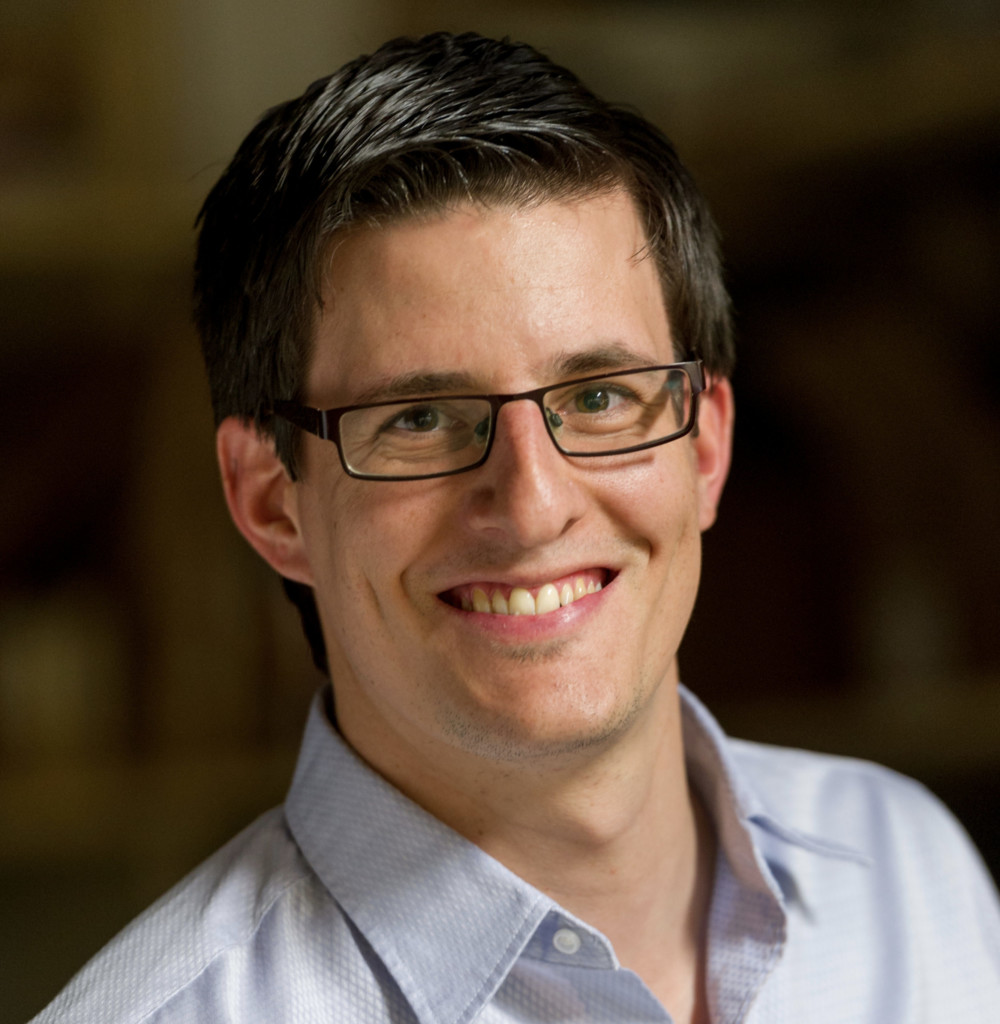
He has at least thirteen hats on his head, as many as the stars on his cantonal flag. At the very limited level of French-speaking Switzerland, he represents a (small) public voice. He proposes his way of seeing the world to anyone who will listen: through the Appel Citoyen movement he co-founded, the Foraus think tank he vice-chaired or the ethics laboratory he still co-directs. He also unpacks his values on 19h30 when he is invited to talk about fundamental freedom, on Le Temps when he conducts a questionnaire on sustainability, or on his blog when he analyzes current events while presenting the object of his research. And when you're a philosopher, «the object of your research» is vast. And diluted.
Anti-ideologism, nothing but a posture
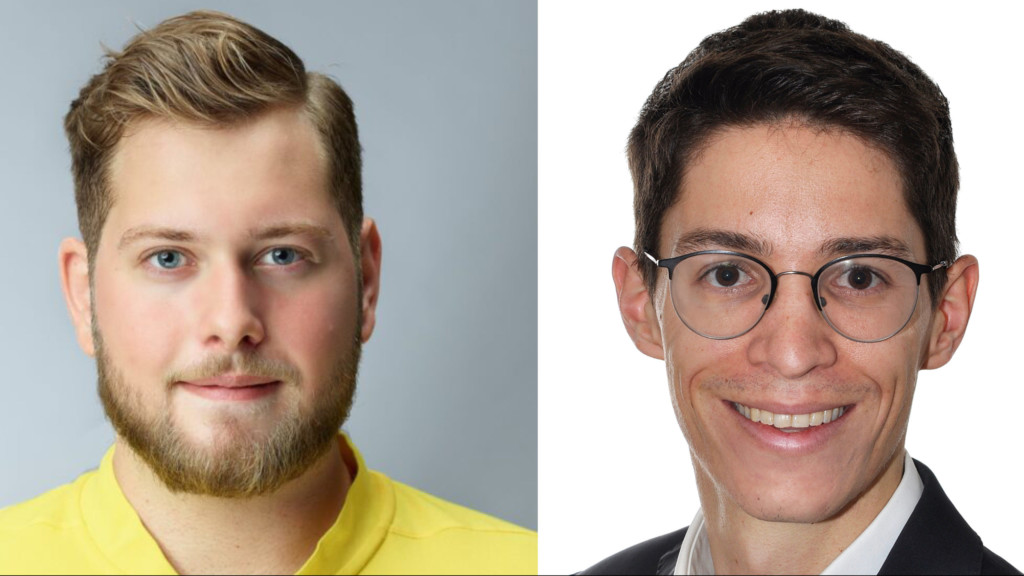
At the start of 2021, the Swiss political landscape undergoes a major turning point. The historic Christian Democratic Party (CVP) welcomes into its ranks the young Bourgeois Democratic Party (PBD). This merger, mainly in German-speaking Switzerland, is accompanied by a veritable earthquake as the party changes its name to Le Centre. Nathan Bender of the Jeunes démocrates-chrétiens (JDC) in French-speaking Valais and Sascha Zbinden of the Jeunes bourgeois-démocrates (JPBD) in Bern cross swords, sharing their visions and thoughts on this new party and the challenges it will face in the coming years.
ARTICLE LONG FORMAT, Clément Guntern | When Switzerland embarked on the bilateral path in the early 2000s, it thought it had found a form of cohabitation with its European neighbor that would be profitable and adapted to Swiss particularities. From the outset, however, this path was in reality a political dead-end. It remains so today, and can be explained by a series of deep-rooted Swiss myths. To get out of this cul-de-sac, it is up to the Swiss people to finally have a European project. An act requiring courage and modesty, and one that would strengthen our national identity.
LONG FORMAT ARTICLE, Robin Parisi | Swiss education is conceived as a system with two main parallel, but mutually permeable, routes. The so-called «vocational» route starts with the famous CFC and can end with ES, Brevets Fédéraux or Diplôme Fédéral diplomas. The second route takes students from Matura, gymnasium or specialized schools to the universities and HES. And yet, as is mainly the case in French-speaking Switzerland, the universities of applied sciences - with the benevolent blessing of the French-speaking cantonal authorities - are monopolizing the privilege of vocational training. Without, however, relinquishing the «university» prestige that the Bologna Process has brought them.
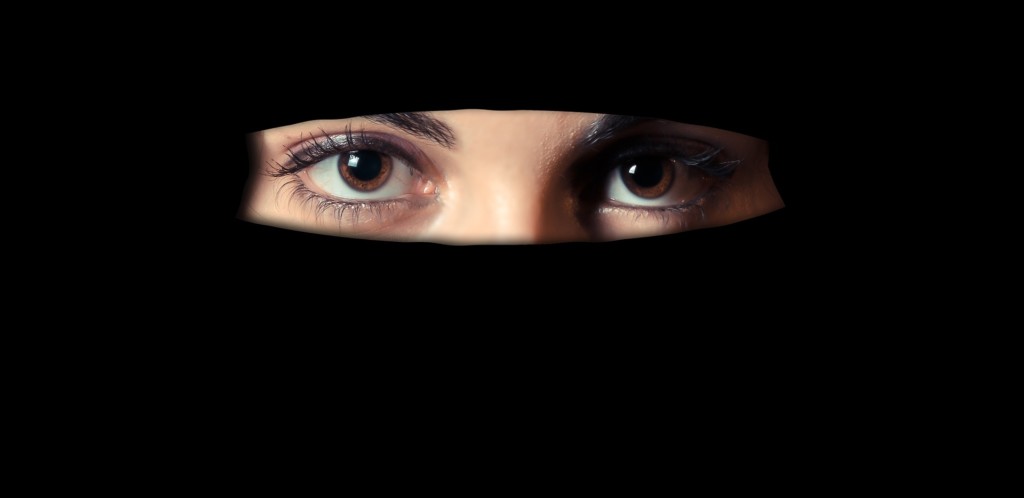
LONG FORM INTERVIEW, Jonas Follonier | He's one of Switzerland's leading politicians in the fight against Islamism. Even if he doesn't like the word «combat» (he prefers the word «cause»), Mohamed Hamdaoui has made it one of his priority themes, making himself a highly committed player in the debate, even if it means over-emotionalizing. His background no doubt has something to do with it: born in the Hoggar, this Tuareg loved a woman who, in the 1980s, was kidnapped by Algerian Islamists because she refused to wear the veil. These sowers of terror beheaded her. The murder in France of Professor Samuel Paty by a radicalized Muslim using the same modus operandi shook him to the core. Interview with a former socialist turned PDC, who doesn't consider Switzerland immune to political Islam.




 French
  German
  English