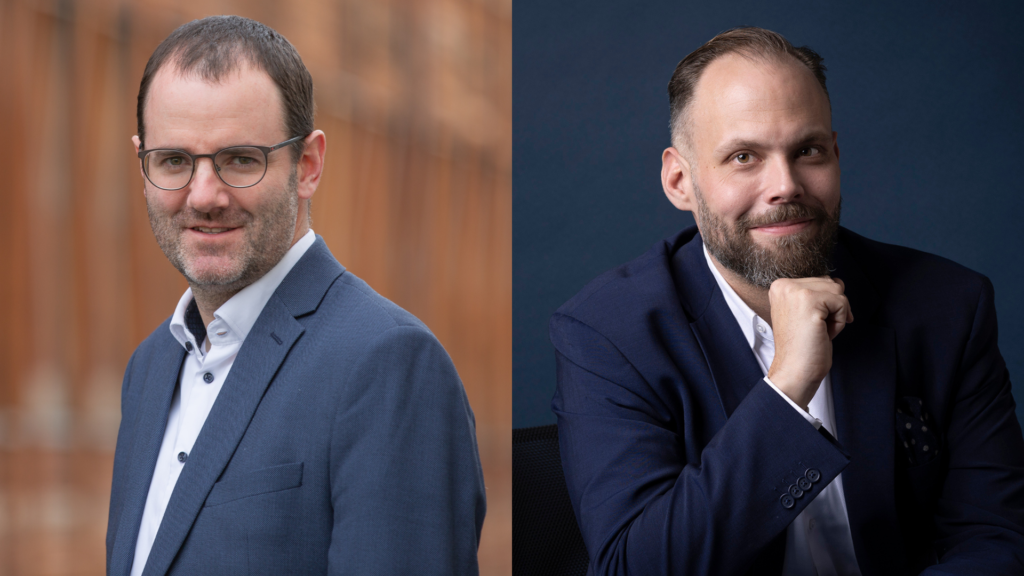
The debate is both legal and political: does approval of the new Swiss-EU agreement package require a simple popular majority, or a double majority of the people and the cantons? Two legal experts compare their arguments.
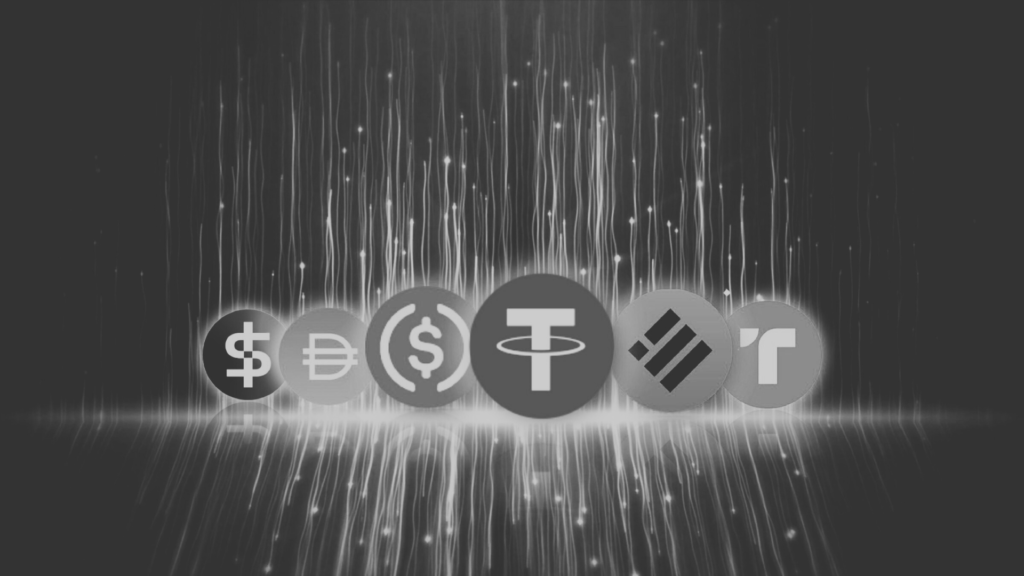
While governments dream of digital currencies, Switzerland can shine in other ways. Stablecoins issued by private players offer more freedom and decentralization than an e-franc driven by the National Bank.
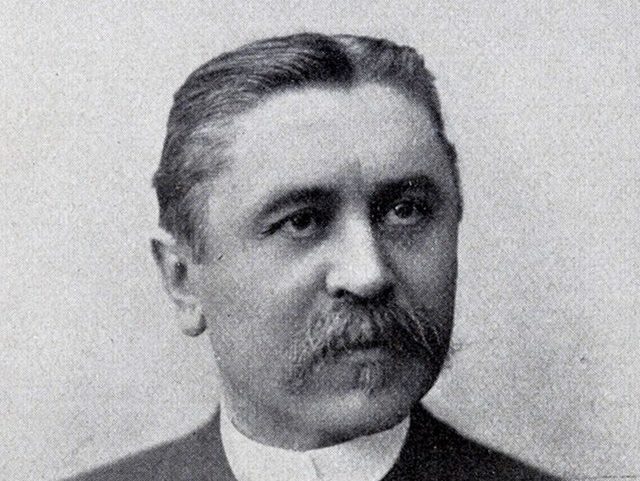
A recent book by historian Olivier Meuwly invites us to take a closer look at this Neuchâtel native, who was elected to the Swiss government at the age of 31. An inspiring figure in his own right, this radical who became a liberal-conservative over time retains an air of mystery about him.
Under the guise of inclusion and social justice, universities too often sacrifice scientific rigor to ideology. According to historian Olivier Moos, this drift compromises its primary mission: to shed light on reality rather than to serve causes.
Farmers enjoy a strong influence on the Swiss political scene. This influence, deemed excessive by some, raises the question of sectoral interests in decision-making.
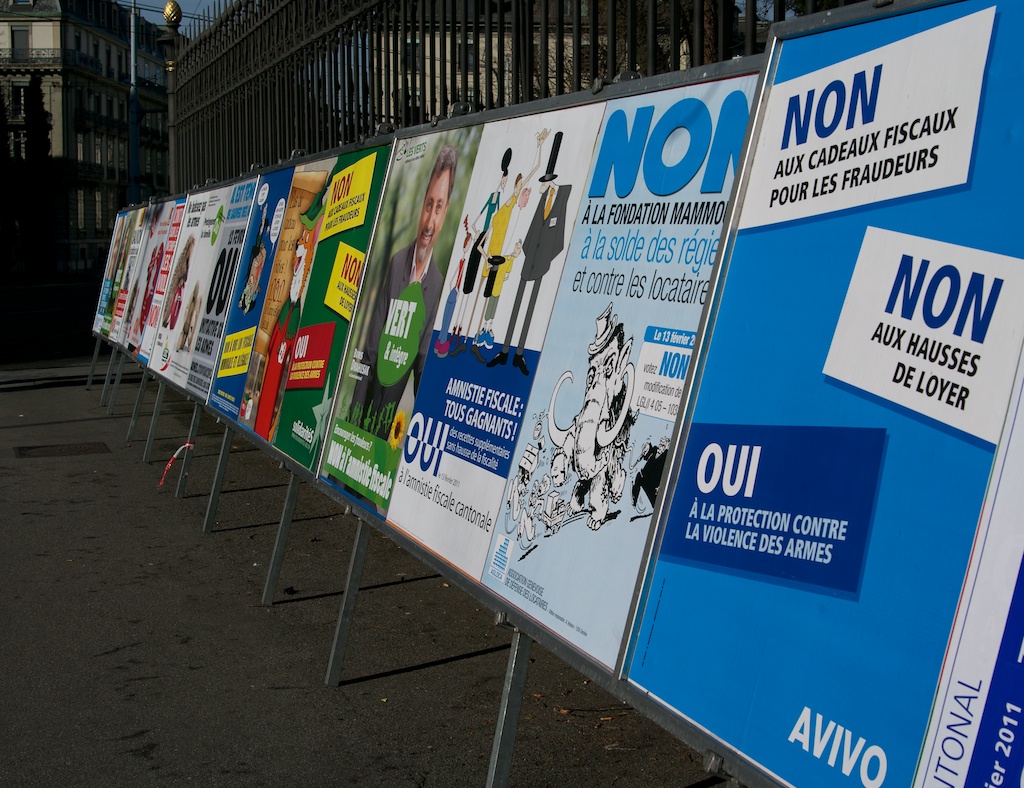
The debate over the number of signatures required to put a popular initiative to the Swiss vote raises an essential question: should the number be revised... or should signatories be asked to make more of an effort?
The popular initiative enables Swiss citizens to propose constitutional amendments. However, despite the frequency with which they are launched, these texts rarely come to fruition. Should the number of signatures required be increased?
Every day, an average of ten verbal or physical assaults are directed at SBB staff - more than before the pandemic. To counter this phenomenon, the public transport company is focusing on raising awareness and reinforcing security measures.
In the spotlight for flying to the Arabian Peninsula, the green politician paid a heartfelt tribute to the thinking of American historian Christopher Lasch, author of «The Revolt of the Elites» (1994).










 French
  German
  English