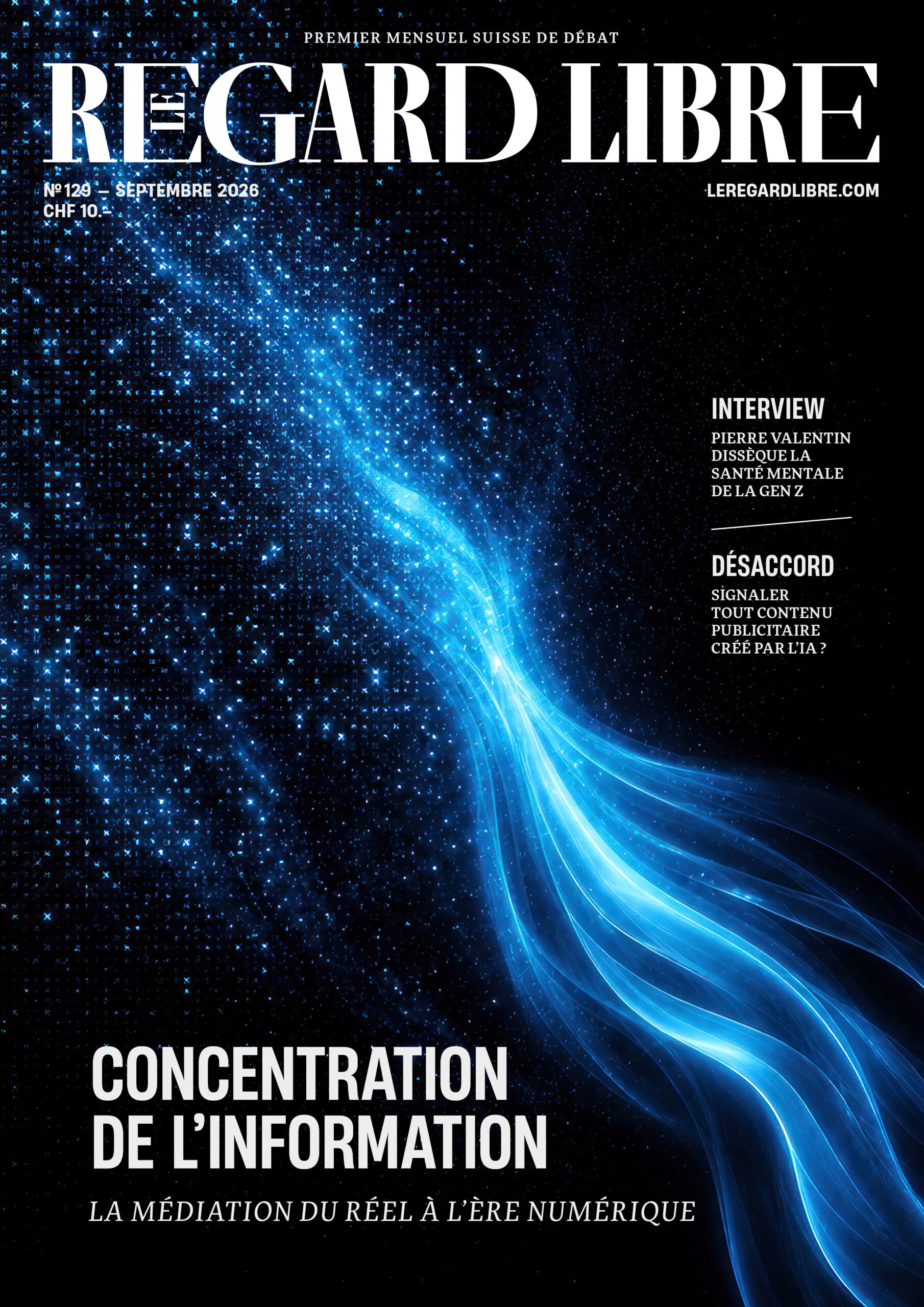




I accuse Polanski of releasing a mediocre film
Cinema Wednesdays - Jonas Follonier
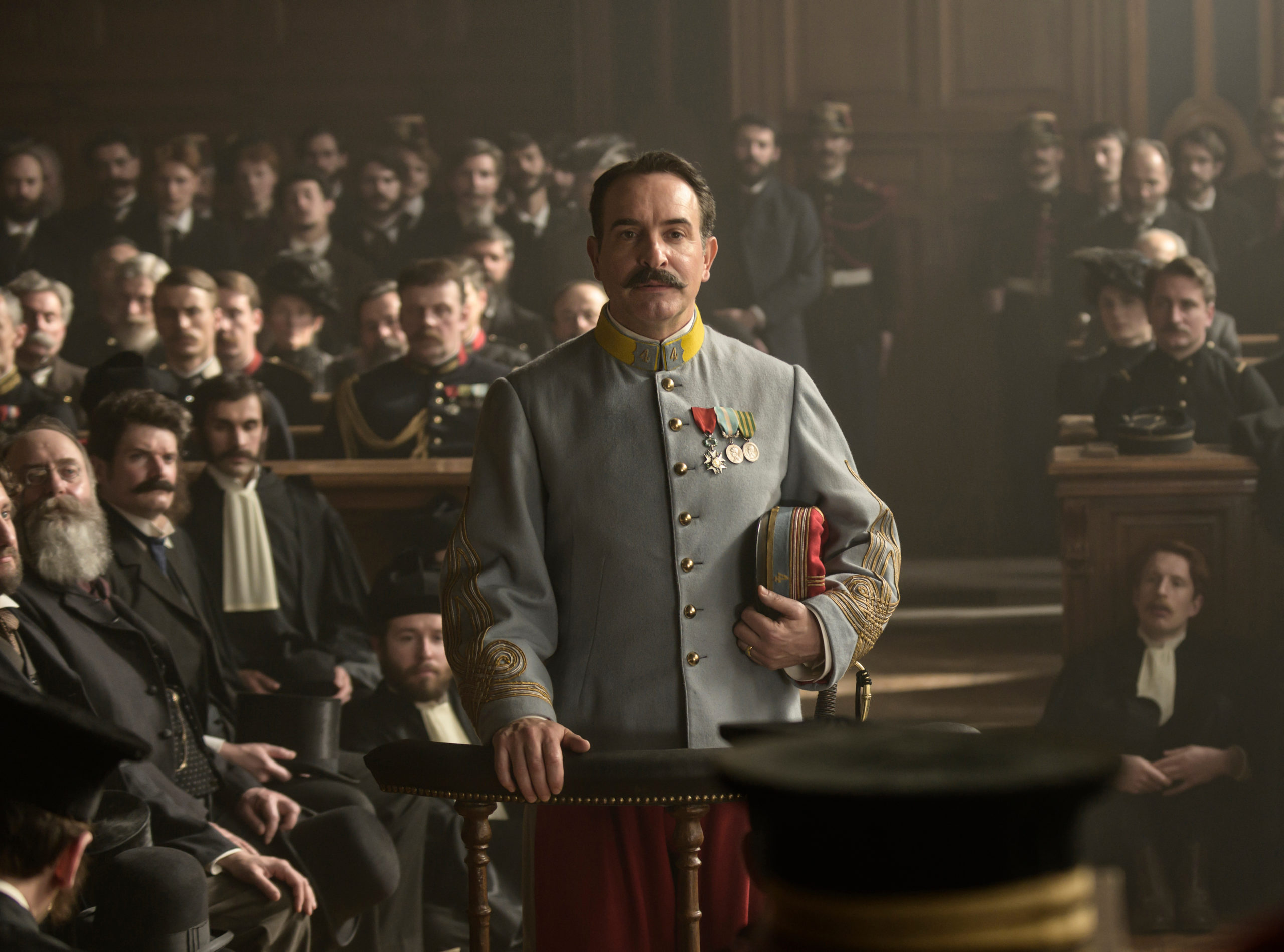
I Accuse, Roman Polanski’s new film, has just been released in theaters. It tells the story of the conviction of Alfred Dreyfus (Louis Garrel), a French soldier of Jewish descent, and the discovery of his innocence by Commander Picquart (Jean Dujardin), who had been promoted to lieutenant colonel. dogged by controversies over acts he allegedly committed forty years earlier and new accusations, Polanski has delivered a film that is, to say the least, mediocre. And that is the only thing that concerns us here.
Let's review the facts. At the end of the 19thth In the 19th century, in France, a veritable political and judicial storm shook the country and all of Europe, against a backdrop of growing anti-Semitism and ideological tensions. Captain Alfred Dreyfus, of Alsatian origin and Jewish faith, was convicted by the French government of treason against the army. He was sent to a penal colony in French Guiana. In reality, this was a major miscarriage of justice: the officer was innocent, and the evidence cited to convict him—based on the handwriting in a manuscript—was fabricated. The anti-Semitism of the general staff would be laid bare for all to see.
The ’Dreyfus Affair«—which has gone down in history by that name—is now famous. On January 13, 1898, Émile Zola published an article in the newspaper The Dawn his essay «J’accuse…!», a letter to President Félix Faure in which the renowned writer denounced the judicial scandal and asserted that Alfred Dreyfus was innocent. Zola was subsequently convicted by the state of defamation and sentenced to the maximum penalty. It was the media coverage of this highly dramatic trial that led to a split in public opinion across the entire country between Dreyfusards and anti-Dreyfusards.
An investigative film, but a weak one
The originality of Roman Polanski’s screenplay, based on this case, lies in its focus on Major Picquart—his appointment as head of the intelligence service, his growing doubts about Dreyfus’s guilt, and his arduous journey to prove his innocence. Marie-Georges Picquart fought against his own camp—the institutions of the French military and state. Her thirst for the truth, worthy of an investigator, is in itself a compelling subject for a film and places it firmly in the tradition of crime thrillers—with, of course, all the suspense and restraint that this entails.
But even This central element, which was supposed to be the film’s strength, isn’t entirely successful—as evidenced by Jean Dujardin’s lackluster performance. He is an actor who rarely shines outside of comedies and who believes that seriousness is conveyed through furrowed brows and stiff limbs, without pathos. Ridiculous, poor guy. Almost as much as in Le Daim. Still, it’s hard to blame him, given that this entire 2-hour-and-12-minute film—which is far too long, by the way—suffers from an unnecessary slowness and is based on a caricatured view of the late 19th centuryth century, made up of mustaches, monocles and tough guys.
As for the rest of the film—let’s be honest—it can be summed up in just a few words: an absolute void. A total lack of anything to say. It’s hard, then, to join Polanski’s die-hard fans in praising his genius, as if the Franco-Polish filmmaker—who is, moreover, Jewish—were immune to mediocrity. But to be able to say that, one must actually go see his films—and thus fight against the boycott by the screaming mob, both popular and media-driven, which spits on the man while ignoring fundamental principles such as the presumption of innocence, the burden of proof, or the right to a defense.
So that’s the issue—not the Dreyfus affair, but my issue, and the one that should concern us all: that we be allowed to go and see I Accuse precisely to show that it is a mediocre and boring feature film. Let us be allowed not to join the pack in slandering and defaming a man, but let us also be allowed not to fall into the other extreme of self-righteousness that demands Polanski deliver a masterpiece every single time. I admire Polanski the artist; I do not know Polanski the man; I despise the mob; and above all, I strive to judge each work on its own merits, humbly and honestly.
Write to the author: [email protected]
Photo credit: © Frenetic Films

You'll also like



 French
  German
  English
Leave a comment