




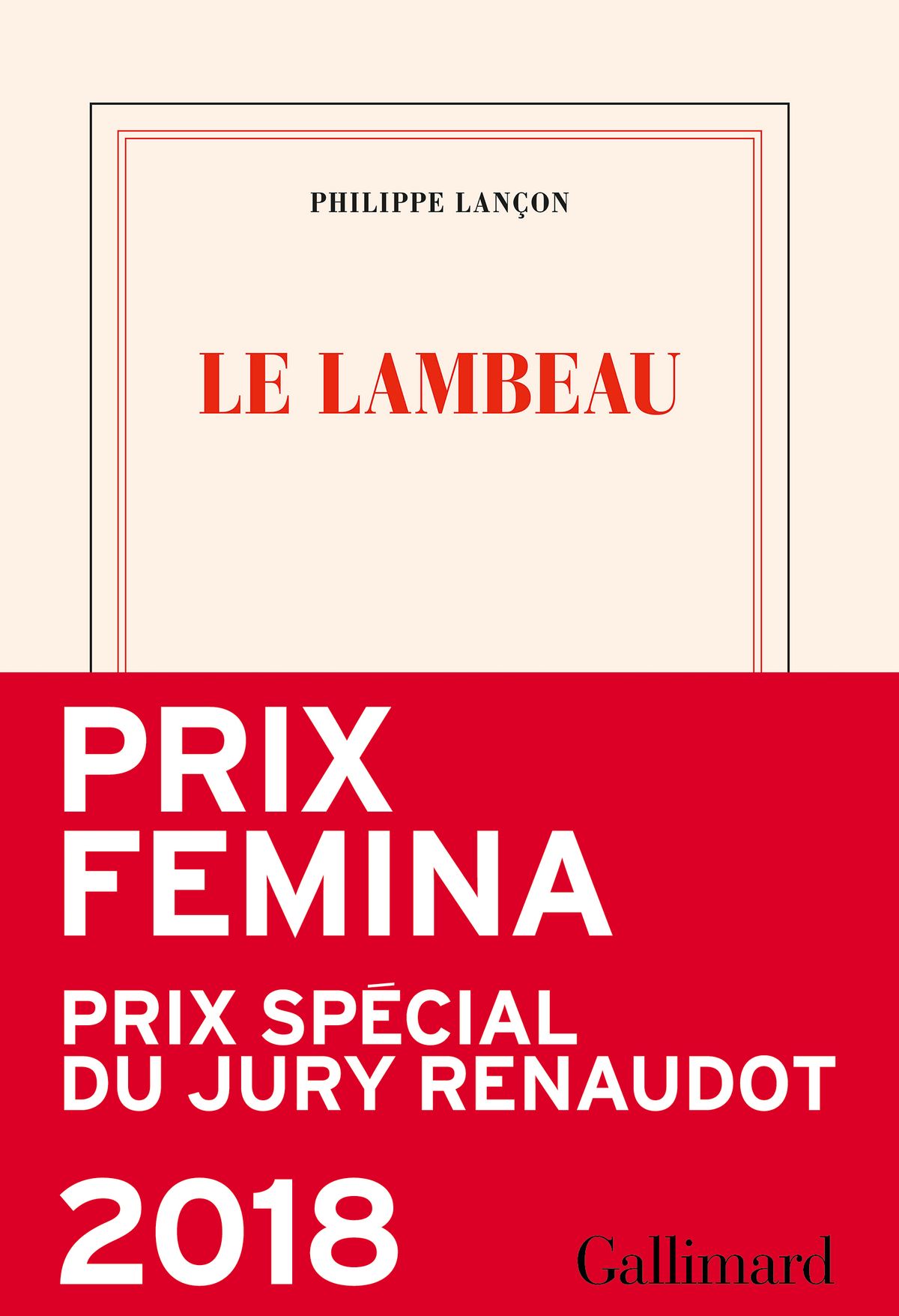
«Le Lambeau»: a Femina for pain
An overview of some of the major literary prizes - episode #1
Le Regard Libre N° 47 - Loris S. Musumeci
«Fibula grafting had been practiced for several years, initially on jaw and mouth cancer patients, the department's main patients. It was also given another name, and one evening, for the first time, I heard Chloé say the word that would henceforth characterize me to a large extent: flap. They were going to make me a flap.»
Philippe Lançon is one of the survivors of the January 7, 2015 attack on the satirical newspaper Charlie Hebdo. The morning was peaceful, or at least normal. When terrorists burst into the newsroom, it was a massacre. Philippe Lançon, half-dead, was found on the floor, full of blood, but without a jaw. Needless to say, the event is well known. And The Lambeau is not a document on the bombing; it's the story of a man who struggles back to life from operation to operation, accompanied by literature.
Although the account is quite long, and some short pages can be tedious due to repetition and meditative style, it remains poignant from start to finish. The author has linked every moment of the book to the tragedy that shook her life four years ago, while allowing each chapter to stand on its own. Constructed in twenty chapters, the book relays the moment of the attack, but speaks of many other things.
The writer opens the story with Twelfth Night, the Shakespeare play he saw on the evening of January 6. Throughout the book, he evokes Submission by Houellebecq, which came out on the day of the attack. But he still talks about his memories as a young journalist, his encounters, his Proustian and Kafkaesque passions, the lives of the carers who work with him, the other patients on the ward, his family, his worries about love, his desires, his daily life as a cripple, his slow re-education and so on.
Philippe Lançon takes the time to tell the story, just as he takes the time to deal with the crucial moment of the attack, mixing it with his thoughts, his imaginary scenarios, his doubts, his misunderstandings and his difficulty in realizing that it was all real. The humorists and polemicists perished under the bullets, but he survived.
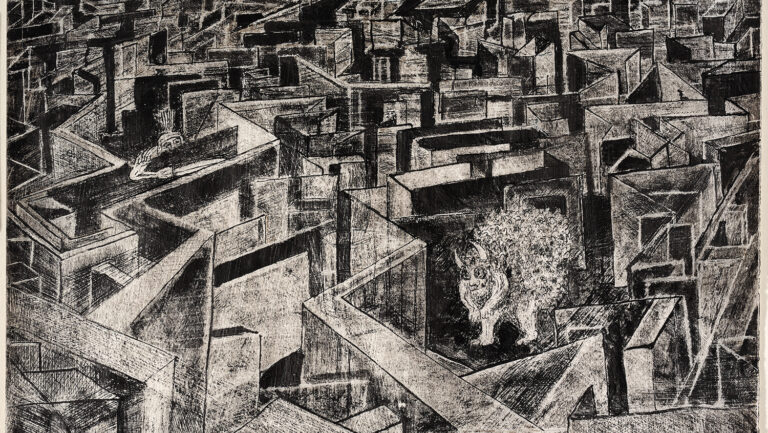
«I always thought myself a stranger to injury. I was wounded though, motionless enough and my head probably already bathed in enough blood that the killer, as he approached, didn't deem it necessary to finish me off. I suddenly felt him almost on top of me, and I closed my eyes, then opened them again, as if, in order to see a few bits of his body and the rest of the story, I was willing to risk the end: I couldn't help it. There he was, like a bull sniffing out the immobile bullfighter he'd just gored, legs black, rifle pointed like horns at the ground, perhaps wondering whether or not to insist. I could hear him breathing, floating, hesitating perhaps, I felt alive and almost already dead, one and the other, one in the other, caught in his gaze and his breath; then he slowly moved away, drawn towards other bodies, other capes, other things, actually towards the exit as I knew much later, since the whole thing had only lasted a little over two minutes.»
The Lambeau is an easy read, with a clear, pleasant style. What's more, despite the misfortune that befell the author, he never fails to take life in stride, sometimes making us laugh with him in his hospital bed. Celebrated by the Femina, which pays tribute to both his book and his ordeal, Philippe Lançon doesn't take himself too seriously, doesn't consider himself more unhappy than anyone else, and doesn't distance himself from his reader. Which is very pleasant, insofar as you don't get the impression that you're being lectured by someone who has suffered and to whom you can say nothing. On the contrary, the book questions, takes us as witnesses and invites us into the heart of fear and suffering, without losing our jaws in the process.
«The delicate moment, Doctor, is when the patient regains awareness of the metamorphosed body in the living world around him. This is when he really begins to be reborn, and this rebirth, which has hitherto manifested itself in physical shocks of almost magical violence, is now accompanied by a certain sadness: I leave the cycle of the pots of hell to enter the cold bath of purgatory, which is hardly any better. I cry over my lost life, I cry over my future life, I cry over my dark life, but you won't see me cry. Here, Doctor, is where I'm at. I see you taking notes, that's good. But is it enough?»
Write to the author: [email protected]
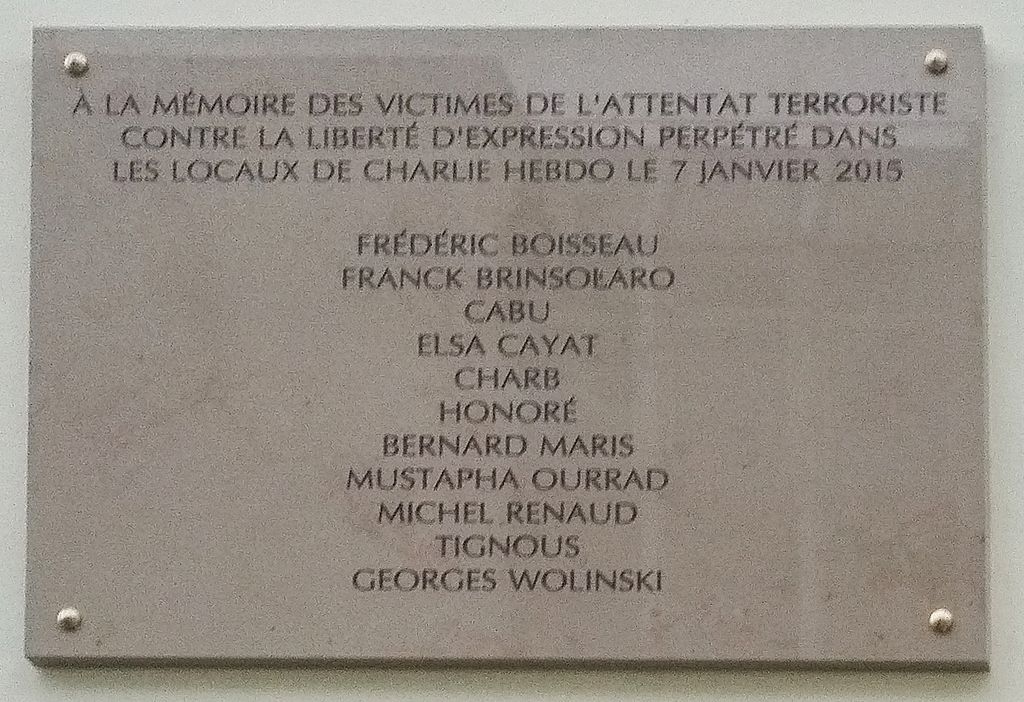
Photo credit: © Wikimedia Commons
Philippe Lançon
The Lambeau
Editions Gallimard
2018
510 pages
You'll also like



 French
  German
  English
Leave a comment