




«The Count of Monte Cristo: France reclaims its heritage
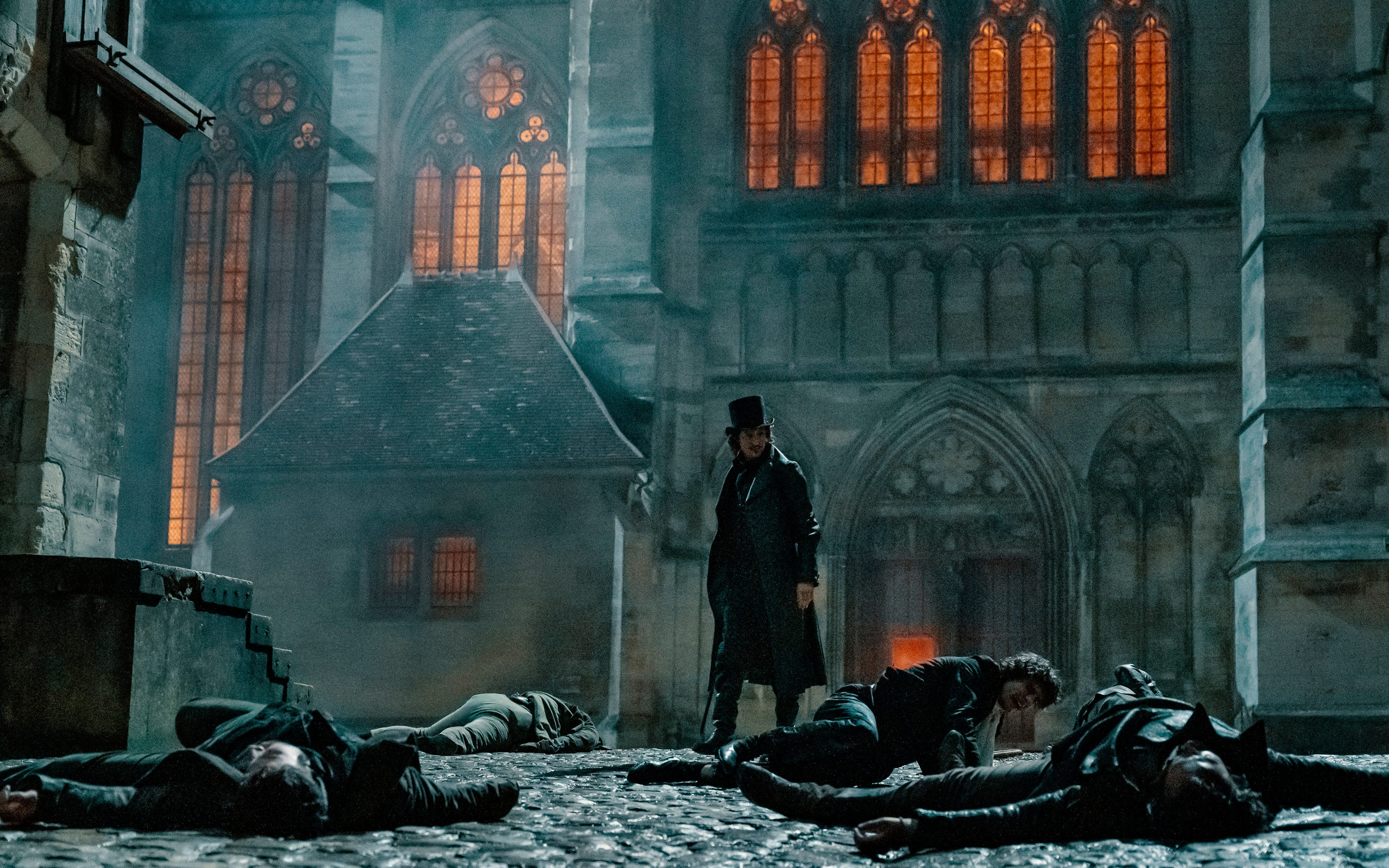
The Count of Monte Cristo © 2024 Chapter 2 - Pathé Films - M6 Films - Fargo Films
Alexandre Dumas' novel is brought to life in this spectacular period film, which combines the best of two worlds: the beauty of the French language and the visual mastery of Hollywood.
French culture often suffers under the camera of Californian studios. Just look at the American adaptations of the great classics of French literature: obsessed by its own clichés and primarily concerned with its domestic market, Hollywood generally transforms any non-Anglo-Saxon creation into a manifesto recycling the genres of American cinema or dealing with subjects characteristic of American society. This doesn't necessarily mean that the films are bad, but it does mean that they are standardized and distanced from the original work or culture.
This is particularly true of Alexandre Dumas' work. Recent adaptations of the Three Musketeers Hollywood's disdain for French culture: the hideous The Three Musketeers (2011) veers into the absurd when the Duke of Buckingham attacks France with flying boats and zeppelins, while the more sympathetic but naive Disney version of Three Musketeers of 1993 caricatured all the characters to the extreme: D'Artagnan intrepid and candid, Porthos faithful and very stupid, Cardinal Richelieu very, very mean, while the story was simplified to the max. And let's not forget the ridiculous Iron Mask (1998)... In these three films, the French historical landscape and Dumas's work serve only as an exotic backdrop for an American audience formidably ignorant of European history.
It's great to see French cinema reappropriating these classics, while borrowing from Hollywood what Hollywood does best: dazzling visual effects. The two parts of Three Musketeers by Martin Bourboulon are certainly flawed, but they have had the courage to offer a modern take on the cloak-and-dagger novel, with writing that sometimes verbatim echoes the dialogue of the novel. The film does not ignore the geopolitical context in which its protagonists are immersed, and blends the adventures of Athos, Porthos, Aramis and d'Artagnan with the Great History that is the hallmark of Alexandre Dumas.
True to the letter and spirit
The new Count of Monte Cristo by Alexandre de La Patellière and Matthieu Delaporte succeeds even more brilliantly in capturing the essence of Dumas's work, with meticulous photography and impeccable acting. Pierre Niney has fortunately shed his ridiculous comic grimaces from Fiasco to portray a chillingly cold protagonist, whose emotion shines through in rare moments of weakness. The film largely follows the plot of the novel: the jealousies aroused by the young second Edmond Dantès, promised a great maritime career and a happy marriage to the beautiful Mercedes. The first part describes the plot to accuse him of being a Napoleonic spy, his imprisonment in the Château d'If and his fifteen years of terrifying captivity in the gaols of the prison-island. There he meets the erudite Abbé Faria (Pierfrancesco Favino), who instructs him in all things. After the Abbé's death, Dantès manages to escape and finds the island of Monte Cristo on Faria's instructions. He will then use the formidable treasure amassed by the Knights Templar to orchestrate his revenge, methodically destroying the life his enemies have built on his back.
Indeed, Fernand de Morcerf (Bastien Bouillon) has married Mercedes (Anaïs Demoustier), Captain Danglars (Patrick Mille), rid of his rival, becomes a prosperous banker and shipowner, and Prosecutor Villefort (Laurent Lafitte) rises in the administration of the restored royalty thanks to the brilliant coup of the arrest of Dantès, supposed loyalist of the deposed emperor.
The few modifications to Dumas' work are easily understandable, given that nearly 2,000 pages of narrative had to be compressed into three hours of cinema. The filmmakers do, however, manage to evoke Monte Cristo's extensive travels prior to his return to Paris, notably through the Orientalist mysticism with which he surrounds himself and the décor of his sumptuous palace. Monte Cristo's machinations are somewhat simplified, but no less enjoyable to follow, as we yearn to see the villainous characters fall, rivalling each other in villainy and deceit.
Between justice and vengeance
Beyond the narrative, the film elegantly sketches the moral complexity of Dumas' work, notably by imagining the love between Morcerf and Mercedes' son Albert (Vassili Schneider) and the young Haydée (Anamaria Vartolomei). She is the orphan of the Janina pasha, whose father died after a vile betrayal by Fernand de Morcerf. Dantès uses her and her bewitching charm to take revenge on Morcerf: she must seduce Albert and break him. But their love resists hatred, and their innocence brings a touch of sensitivity that contrasts with Monte Cristo's coldness and the fatuity of his enemies; they also serve as a moral compass for the Count, who is confronted with a fundamental question: is he the armed extension of God's justice, or is he simply exercising his personal vendetta? How many innocents will have to suffer for his actions?
The staging is classic but effective, eschewing stylistic gimmicks to focus on the narrative. This is supported by finely-written dialogue. It's a real pleasure to hear this well-written, well-spoken language, so accustomed are we to certain French films in which the actors speak in their beards or seem to have lost the ability to articulate.
It doesn't revolutionize cinema, nor does it offer a completely innovative vision of Dumas' novel. On the other hand, it is a solid adaptation, faithful to the script, the major themes and the tone of the work. We're kept on the edge of our seats until the end of the three-hour film, enjoying the beauty of the spectacle. It remains to be hoped that the film will find its audience.
Write to the author: [email protected]
You've just read an open-access review. Debates, analyses, cultural news: subscribe to support us and get access to all our content!
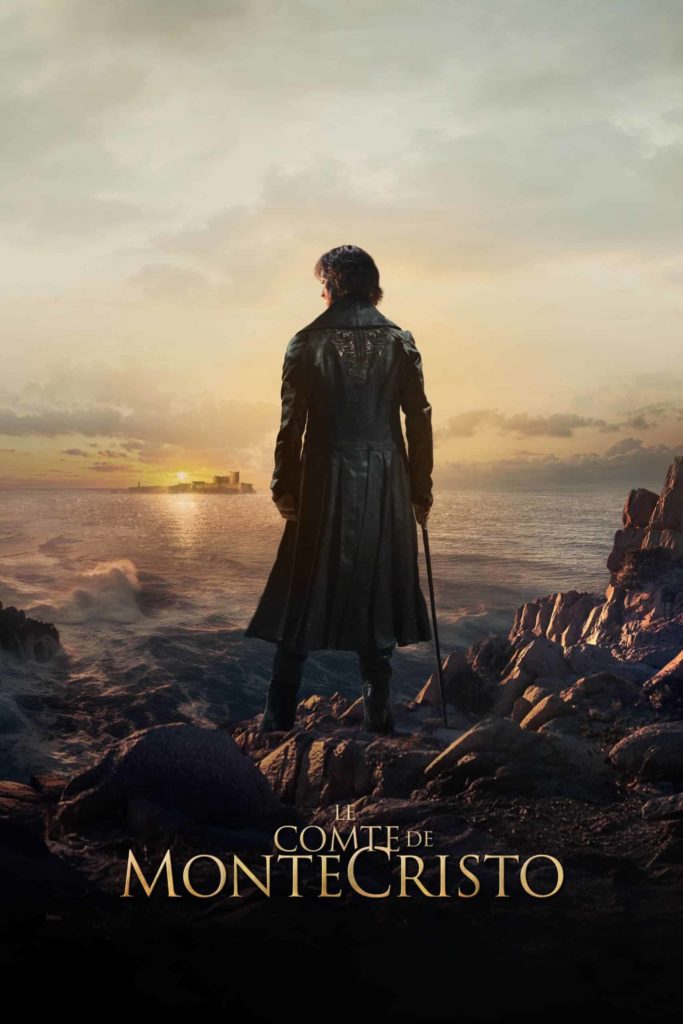
Matthieu Delaporte and Alexandre de La Patellière
The Count of Monte Cristo
With Pierre Niney, Bastien Bouillon and Anaïs Demoustier
June 2024
178 minutes
You'll also like




 French
  German
  English
Leave a comment