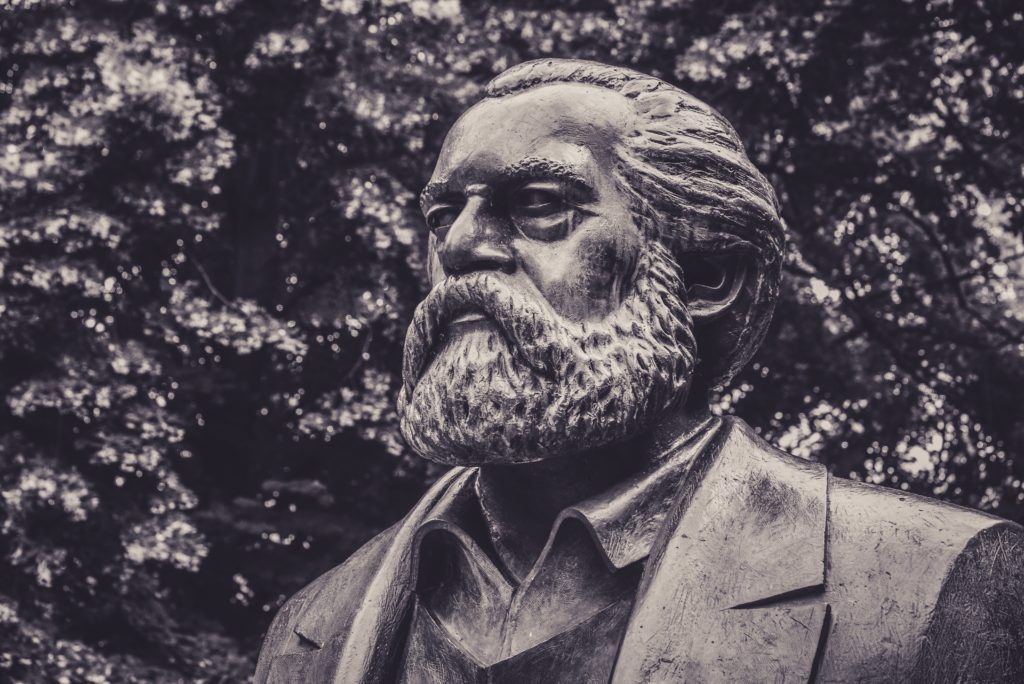
Marx studied capitalist economics like taking a watch apart. It was above all the notion of surplus value that enabled him to...
LONG FORM INTERVIEW, Jean-David Ponci | Taking vaccine hesitants and anti-sanitary passers-by seriously, trying to answer their questions by countering their positions with arguments, helps us all to identify the flaws in our societies and to rethink together the notions of solidarity and freedom. Interview with doctor and theologian Bertrand Kiefer, editor-in-chief of the Swiss Medical Journal.
I'm a little embarrassed to think that Mozart is the classical composer par excellence, as opposed to the Baroque or Romantic composers. The word «classical» evokes regularity and order. But there's something original, profound and authentic in Mozart's music that doesn't quite fit in with classicism. This article, based on a lecture by pianist Jean-François Zygel, describes the subtle processes that explain Mozart's pre-Romanticism.
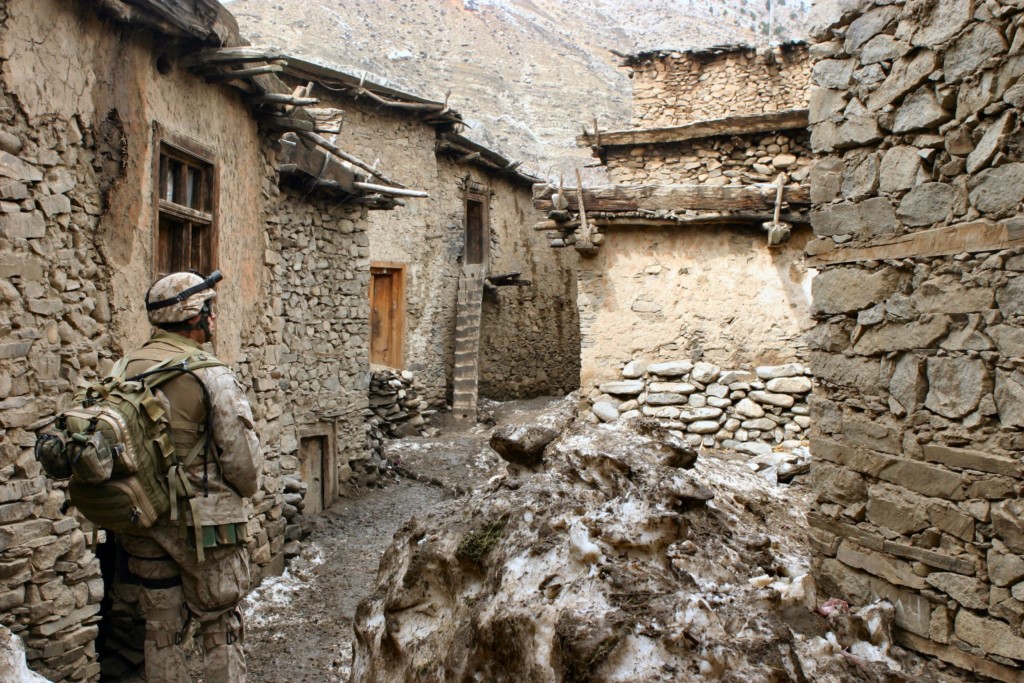
LONG FORMAT ARTICLE, Jean-David Ponci | When we saw how quickly the Taliban took control of Afghanistan, we were quick to criticize the United States, which should have prevented them from doing so. Beyond this initial reaction, this war provides us with an excellent basis for reflection on a universal question: how can one nation transmit its values to another? The answer will enable us to see more clearly the alleged defeat of the West, and to reflect on the image we give to the rest of the world.
LONG-FORM ARTICLE, Jean-David Ponci | Member of the Supreme Soviet in 1947, General Secretary of the Union of Soviet Composers in 1960, Hero of Socialist Labor in 1966… These appointments, accepted reluctantly, were often merely a means of publishing articles in his name that he had not written, or of making him read speeches he did not approve of. This fits well with the totalitarian conception of power, according to which everything is at the service of the state. Shostakovich was supposed to be just another cog in this gigantic machine. How can an artist remain creative under such conditions? Shostakovich does more than simply respond to this dilemma; he embodies it through his very life. Just as a tightrope walker must submit to the laws of gravity if he is to survive, Shostakovich submits to the regime’s relentless laws, yet at the same time defies them by composing music that can be interpreted as a mockery.
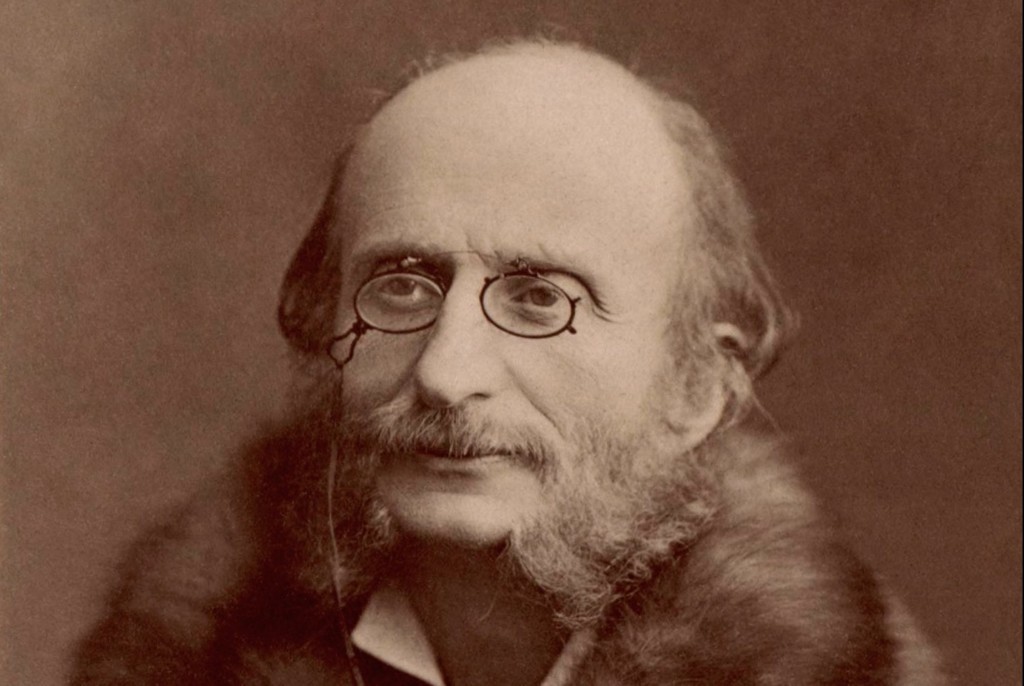
LONG-FORM ARTICLE, Jean-David Ponci | If modernity began during the Renaissance with the rediscovery of the ancient heritage, postmodernity may well have begun with the relativization of that heritage. Offenbach was thus the first to dare to bring the gods of Olympus to the stage in order to mock them. But there is never any gratuitous audacity in his work. His works reveal a comprehensive agenda of challenging the establishment: he explores sexual liberation and women’s emancipation. He mocks military might, questions the legitimacy of political power, and exposes the ridiculous aspects of bourgeois love… One might get the impression that he was nothing more than a street performer. In fact, humor was the only medium that allowed him to say what he would never have been allowed to express in a genre more serious than operetta.
The desire of various countries to increase the proportion of biofuels in petrol highlights some important issues: the difficulty of a truly beneficial ecology, but also the essential role of governments in promoting value-based policies in the face of a globalized economy that seems to know only profitability as a criterion.
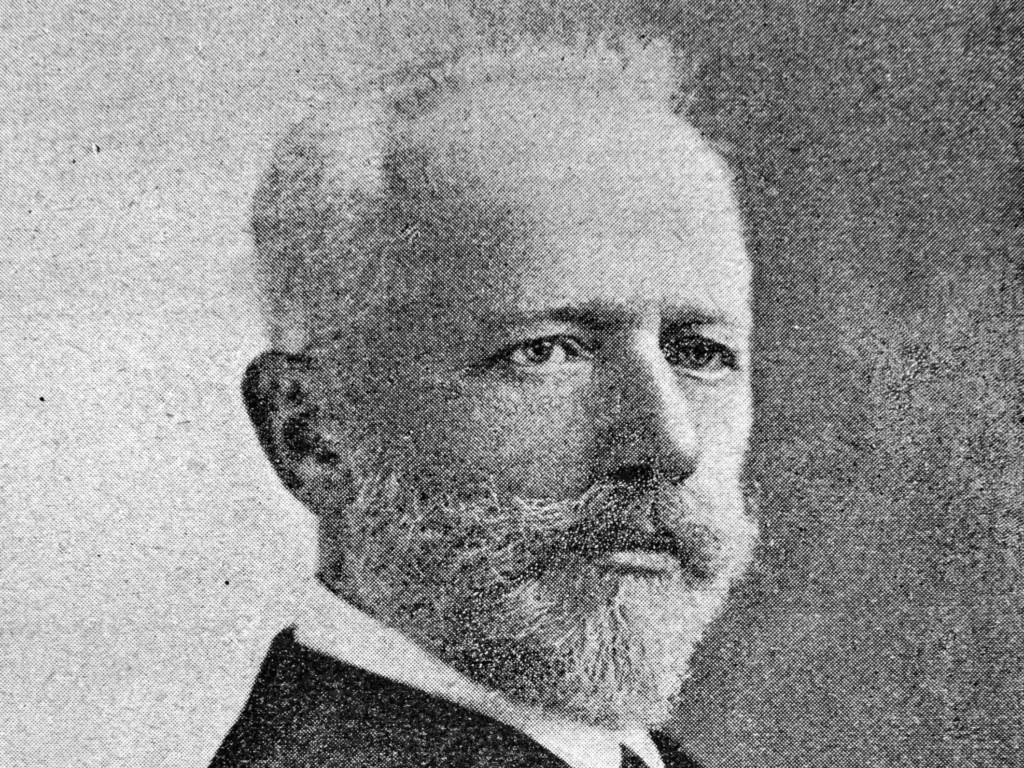
Beautiful misfortune, an oxymoron that well characterizes Tchaikovsky's music. Very sensitive, too sensitive, he suffered all his life from his homosexuality, from a certain mania for persecution, from lack of self-confidence, from the incomprehension of other musicians... Even if he was not the only man to suffer, he is undoubtedly the one who succeeded in expressing pain in the most poignant way. Not only are his melodies magnificent, but they lay bare his soul, seeming to rise from the depths of his distress to the heavens. Yet behind this fragility lies a man who knew exactly what he wanted, as shown by his determination to publish his works as they were, despite the critics, right up to his scheduled death, for which he composed his own requiem, the Pathétique.











 French
  German
  English