



«Barbara» or the purity of cinema
Cinema Wednesdays - Jonas Follonier
It's been a long time since biographical films, however successful they may have been, followed one another in a similar fashion. Cloclo and Dalida are proof of that. Suddenly, a true outlier in the genre arrives at the cinema—a highly innovative work that turns the conventions of the biopic on their head. Barbara. On the pretext of rediscovering the famous figure of French song, Mathieu Amalric's new film is above all a rediscovery of cinema.
A film within a film
Mathieu Amalric is not a director like any other. You can already see it in his face, which is marked by a perpetual sense of wonder. The French filmmaker constantly has his eyes wide open; perhaps this is a sign of a cinema that admires everything related to people, to life—to cinema itself, in short—and that therefore admires itself. Mathieu Amalric could not have made a conventional biopic. Nor could he have made a biopic at all.
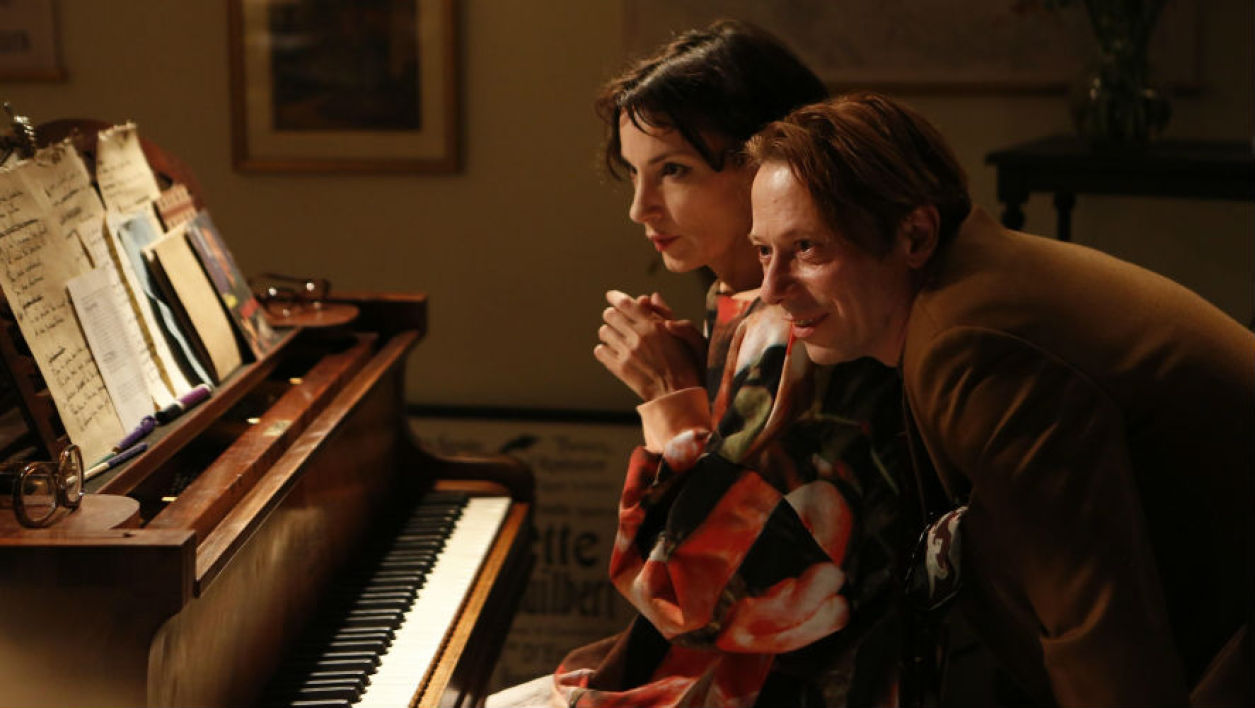
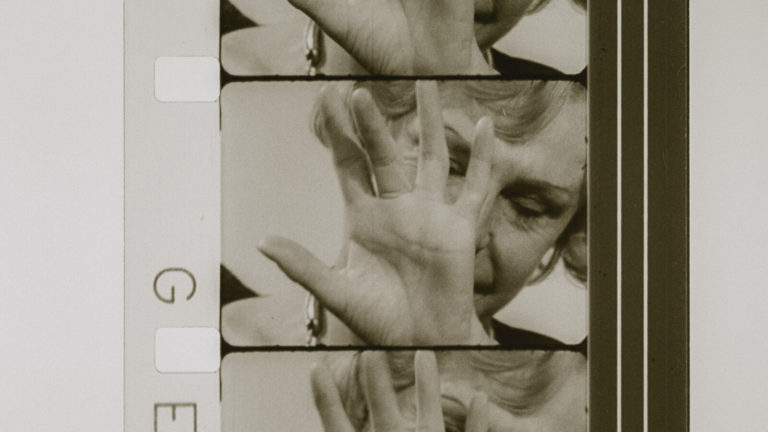
Barbara, which opened last week in French-speaking Switzerland, defies its title: the film doesn’t focus on the singer, but rather on an actress, Brigitte (Jeanne Balibar), who must portray Barbara in a movie. Who directs this “film within a film”? Yves Sand, a Barbara fanatic, played by none other than… Mathieu Amalric. A film with at least two layers, playing on ambiguities, so much so that the mise en abîme and the illusion seem to refer back to themselves. Magnificent.
The Art of Suggestion
It’s out of the question, however, to think that the film teaches us nothing about Barbara. Or that it’s merely a pretext for Amalric and Balibar to reunite as a couple through the medium of film. Barbara, by refusing to tell the story of the singer's life as one might on a power-point, says more than any biography ever could. Indeed, it is through the small fragments of his daily life that we are able to enter the artist’s private world. It is through this series of paintings—not scenes—that a life is revealed, not a theatrical performance.
Combining shadows and unspoken words, the film Barbara echoes the singer Barbara more subtly than anyone could have imagined. Thanks to Mathieu Amalric, we rediscover the importance of suggestion. «It’s beautiful—someone creating a melody, searching for the right words. Those are the moments I wanted to capture.», explained the director. Barbara spends her days at the piano. In music, for music.
It’s clear that it was through songs—and songs alone—that Balibar and Amalric (BaliBARBARAmalric) sought to capture their vision of Barbara, to portray her, and to evoke her. In fact, the feature film does not highlight her best-known songs. Furthermore, the voice we hear is sometimes that of the “fake” Barbara, sometimes that of the “real” one, and the faces accompanying it also alternate between the two women. Actress and artist echo and merge with one another, evoking a profound emotional response.
Jeanne Barbara
The greatest credit, in fact, goes to the woman who ultimately emerges as the film’s true star: the new Barbara. Jeanne Balibar, more Jeanne Balibar than ever. As Yann Moix said during the first episode of the new season of’We're Not Asleep Yet, on France 2, «Barbara has a certain resemblance to Jeanne Balibar.» Her performance is so perfect and natural that one wonders if Mathieu Amalric hasn’t actually chosen to dedicate his eighth film to the mother of his first two children. I call upon the following as witnesses: Incestuous love, a moment in the movie that you can't forget.
As the reviewer also pointed out, the lack of resemblance (which is debatable, of course) between Barbara and Jeanne Balibar cannot be considered a flaw in the film. Far from it. Because of the two women’s obvious dissimilarity, the viewer, as if by magic, comes to see only their similarities throughout the film, and eventually can no longer tell them apart.
That is the magic of cinema. Mathieu Amalric, without any affectation, has succeeded in showing us its purity. And that happens only a few times in half a century.
Write to the author: [email protected]

You'll also like

 French
 German
 English
Leave a comment