




Leto, nostalgia for the Soviet musical summer
Le Regard Libre No. 47 - Ivan Garcia
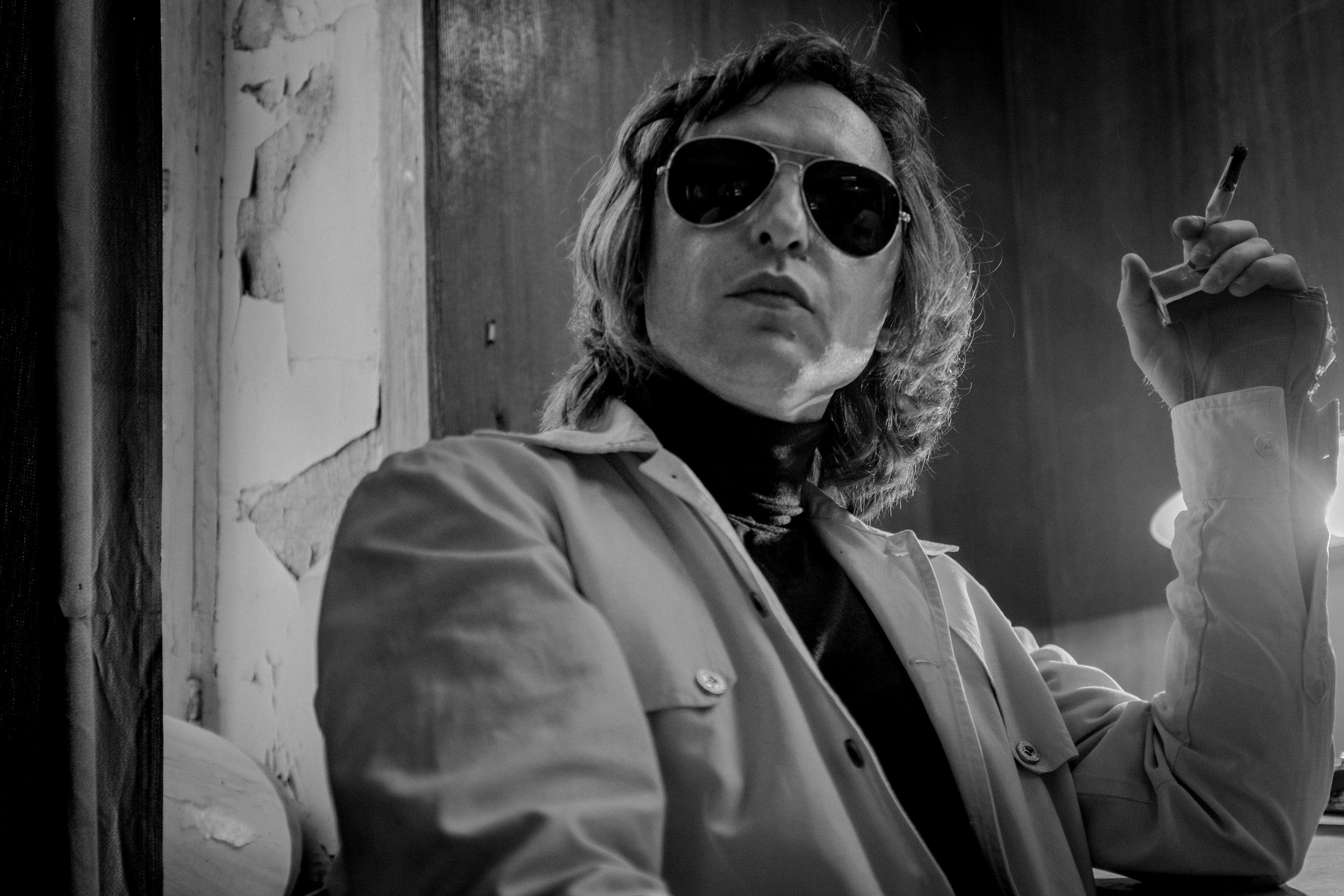
Leningrad, in the early 1980s: young people are swept up in the excitement of a new kind of music—rock ‘n' roll. This film takes viewers into the daily life of young Viktor Tsoi, the future icon of Soviet rock, and his relationship with Mike Naumenko and his wife, Natalia.
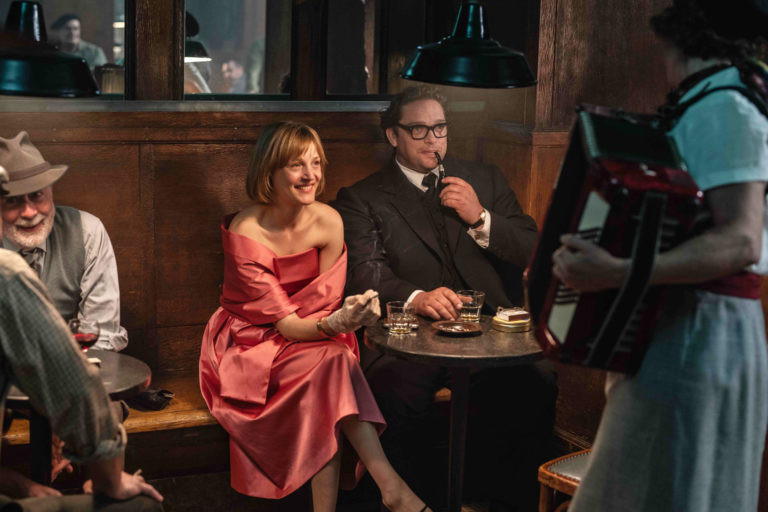
«Leto,» a two-syllable word, means ‘summer« in Dostoevsky’s language. But in the land of pessimism, back then, there was no time to see life through a dark lens. And for good reason: the film opens with a rock »n’ roll concert in a theater—the “Leningrad Rock Club,” as we later learn. On stage, a guitarist with his band Zoopark, Mike Naumenko—a sort of hybrid between a socialist Elvis Presley and a short-haired Slash—gets the crowd going with his song (You’re a) Scum. A young, very enthusiastic audience, but one kept under close watch by teachers and school staff who didn’t hesitate to reprimand anyone who got a little too carried away by this ‘enemy” music. After all, let’s not forget, rock ’n’ roll is Anglo-American—and therefore capitalist-fascist—and, of course, contrary to the spirit of the proletariat. And yet, in Leningrad in the early 1980s—who would have thought it?—this music found its place and even had its icons, its cult songs, and its concerts; at the heart of the totalitarian regime, counterculture thrived.
A story that blurs the line between fiction and reality
Coinciding with the start of the perestroika (the modernization and liberalization policies initiated by Mikhail Gorbachev in the former USSR), Leto follows the journey of Viktor Tsoi, a young woodcarver and singer-guitarist in a band of friends, and his encounter with the man who would become his mentor, Mike Naumenko. Naumenko, who is older and already recognized for his genius and style, guides Viktor by offering advice, helping him with his compositions, and lending him albums by Western bands. Over the course of the film, the two men develop a multifaceted relationship: master and disciple, musical rivals, and, notably, romantic rivals. As for Mike’s wife, Natalia, who is drawn to Viktor, she will have a brief affair with him—a «schoolyard fling,» as she puts it. A close-knit and friendly trio, but one that, over time, will begin to fall apart.
The feature film’s screenplay, inspired in part by Natalia Naoumenko’s autobiography, alternates between reality and fiction, making particular use of color. Some shots or scenes appear in black and white, as if they were archival footage. Then, the very next moment, the camera sometimes projects animated color images across two halves of the screen, the quality of which evokes that of a documentary made from footage from that era. In a key scene in the film, set on a train, one of the passengers provokes the group of young rebels—of which Viktor is a member—by saying to one of them, «You’re singing the songs of our ideological enemy.»
This scene, shot in black and white, then depicts a fierce and savage battle between the young people and the other passengers on the train. During the confrontation, the camera uses special effects to reveal a music video featuring graphic overlays—comets, rockets, strange eyes, and more—all set to a cover of the song Psycho Killer by the Talking Heads. However, at the end of the music video, one of the characters—a tall, blond man dressed in black, resembling a psychopomp—tells the viewer that «nothing that happened actually took place.» By blurring this line between reality and imaginative fiction, the director outwits the audience’s expectations. However, this sometimes poses comprehension challenges for viewers; since this blond man makes several appearances throughout the film, one begins to doubt what actually happened and what did not, which affects the overall understanding of the events.
The world of rock ‘n' roll: a constellation of references
The film’s director, Kirill Serebrennikov, has created a production in which music plays a fundamental role. From the very first scene—that famous concert—the viewer is plunged into a musical world previously unknown; Zoopark, Kino, Viktor Tsoi, Mike Naumenko, and Yuri Shevchuk mean nothing to Western audiences. In the rock ‘n’ roll pantheon, these names have no place, no recognition, and no reputation. And yet, when Mike shows Viktor the Velvet Underground album cover, when Viktor and Natasha sing together The Passenger by Iggy Pop, or when they all get drunk together during the song Children of the Revolution Through T-Rex, the unknown galaxy suddenly becomes familiar. Leto’s magic lies in this synaesthesia between an unknown microcosm that, through a few hints of shared references and personal experiences, becomes a fragment of our musical frame of reference.
The soundtrack is a diverse, particularly rich, and catchy selection. It alternates between songs by Soviet bands of the era—such as “Leto” by Kino—and covers of well-known bands like The Talking Heads, The Passenger, and others. Ultimately, what ties it all together and draws the audience in are the songs from Anglo-American counterculture, often incorporated into the feature film through various media—literature, radio, and records. This is the case with songs by Lou Reed and David Bowie. Today, a part of Soviet culture is emerging in the audiovisual realm. Artists, such as Farao and his latest album *Pure-O*, draw inspiration from musical sources of the former USSR. Similarly, feature films are being released, such as the documentary Elektro Moskva, in which a group of older men set out in search of old Soviet synthesizers.
When you attend a screening of Leto, whether it’s Natacha and Viktor’s first meeting, Mike’s concerts, or discussions about the meaning of music, one can’t help but think of what Velibor Čolić writes in Jesus and Tito, as a teenager, while talking with the other members of his rock band in Yugoslavia: «The worst part of it all is that I know they’re right—we’re not trying to change the world. We just want to have girlfriends.» It’s as if we’re witnessing the conclusion of a conversation between Mike and Viktor about the role of songs, musical styles, and other subtleties. Watching Leto, one feels a nostalgia for the future—«Toska po buduchemu,» as Yevgeny Yevtushenko, a Soviet poet who yearned for freedom, would put it. A joyful nostalgia for a past that has not yet reached our time but that we look back on with delight.
Write to the author: [email protected]
Photo credit: © Xenix Films
-
 Le Regard Libre - N° 47CHF10.00
 -
 Standard subscription (Switzerland)CHF100.00 / year
 -
Support subscriptionCHF200.00 / year

You'll also like


 French
  German
  English
Leave a comment