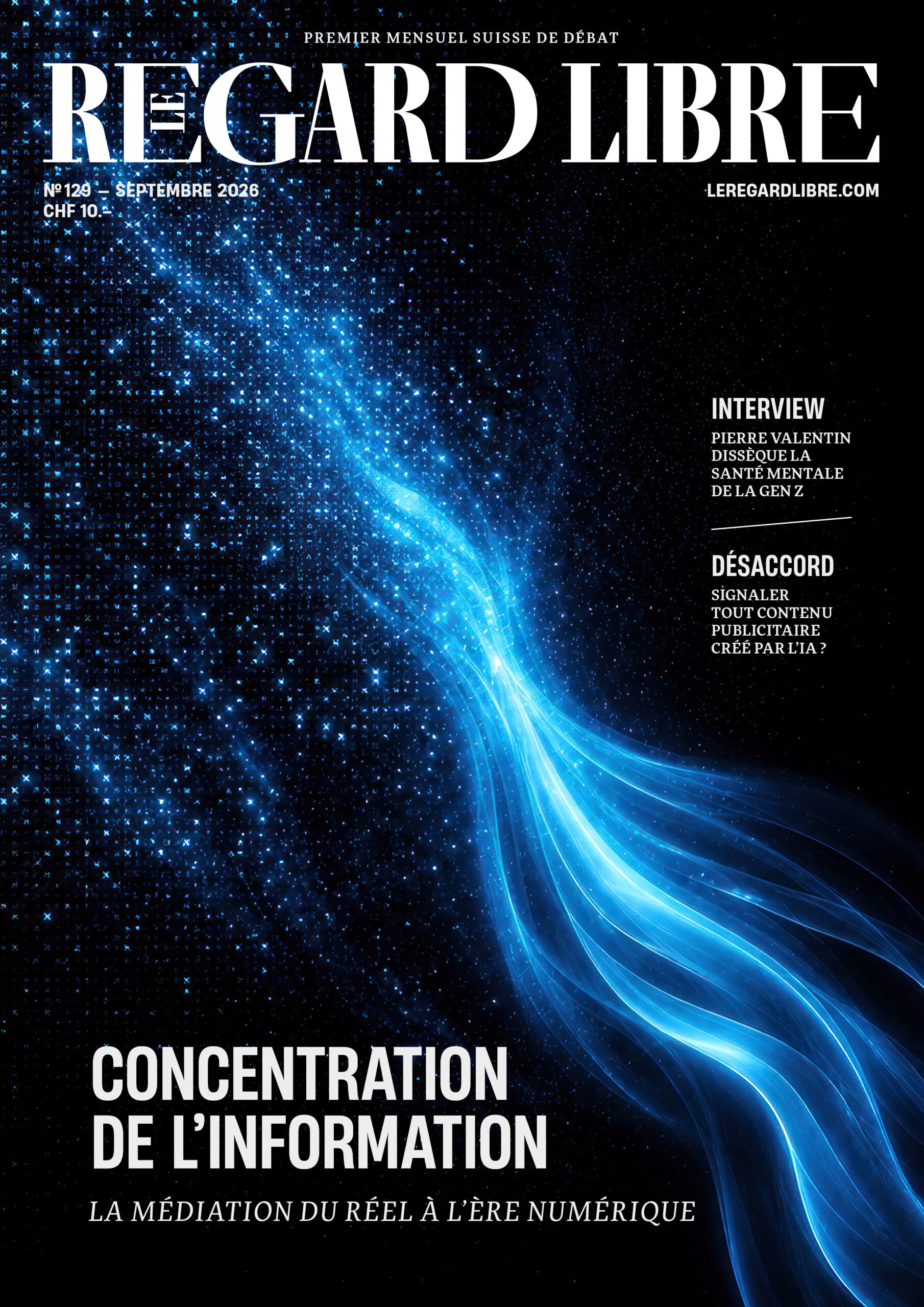




«Victoria» or the Development of a Genre
Original Article – Jonas Follonier
It's hard to say what to make of the movie Victoria released last month. The reviews are mixed; parents don’t share their children’s opinion, and neighbors disagree with one another. Normally, this situation stems from a divide between, on the one hand, a mainstream audience seeking entertainment and, on the other, viewers open to poetry and arthouse cinema.
That’s not the case here. Among both the satisfied and the dissatisfied, there are old folks and young people, roughnecks and intellectuals, rednecks and hipsters. The subtle division within the press and the public seems to reflect what may well be the strength of this film: a blurring of the lines.
In fact, in the very first minute, Victoria seems to follow in the tradition of French comedy, embodying its most admirable qualities: lightheartedness—the depth of which should not be underestimated, given how much talent it requires. However, once the film really gets going, you realize that you don’t laugh very often and that you might well be watching an arthouse film—despite what our friend tried to make us believe the day before.
A back-and-forth dynamic develops between the two atmospheres, gradually giving rise to a very interesting take on the story—or stories, since several plotlines intertwine around the completely overwhelmed lawyer played by Virginie Efira. With this character—fascinating for her apparent calm and the instability she conceals—Virginie Efira proves, as if it were still necessary to do so, that she is one of the best French actresses working today and, of course, one of the most beautiful and natural.
And ultimately, it’s not surprising that she agreed to star in the second feature film by Justine Triet, who made her debut at the 2013 Cannes Film Festival. Contrary to what one might initially think, Victoria It doesn't simply rehash the many dramedy films released in recent years, but breathes new life into the genre, just like any interesting work.
While this highly effective artistic risk doesn’t make the film a masterpiece, it certainly isn’t a bad film either—far from it. In addition to the direction and the lead actress’s performance, the casting of Vincent Lacoste as the young au pair is excellent, as is the quality of the music—whether it’s the piano piece featured in the middle of the film or the sublime song Without her (1970), performed by Harry Nilsson.
Write to the author: [email protected]
Photo credit: AlloCiné

You'll also like


 French
  German
  English
Leave a comment