



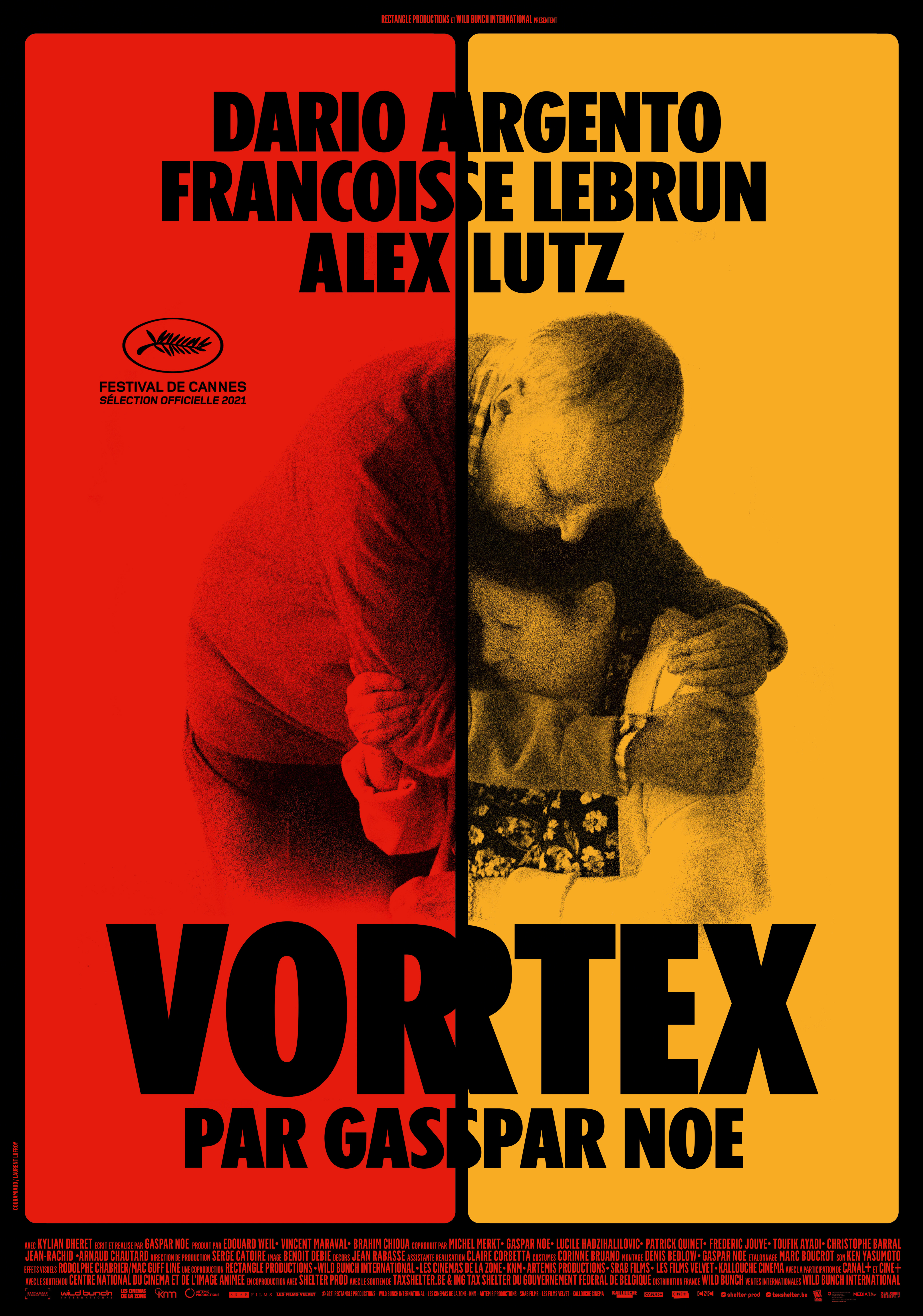
«Vortex»: the face of old age

Vortex © Wild Bunch Distribution
Cinema Wednesdays - Fanny Agostino
Présenté en avant-première durant le Festival de Cannes l’année dernière, le dernier film de Gaspar Noé tranche avec ses précédents. La violence physique et verbale disparaît. L’ancrage est réaliste, le rythme lent conduit à la mort. En split-screen, les caméras s’immiscent dans le quotidien d’un couple de retraités atteint de dégénérescence mentale… et sentimentale. Victime d’un accident cérébral en 2019, le sulfureux réalisateur souhaiterait-il se racheter une conduite? Réponse ci-dessous.
«She» (Françoise Lebrun) and «he» (Dario Argento) have all the prerequisites to enjoy their retirement. On the flower-filled balcony of their sumptuous Paris apartment, this former psychiatrist and this film critic are seated. The horizon seems clear: «Life is a dream», says the wife, before her husband corrects her: «a dream within a dream». It is indeed in an alternative reality that the protagonists will sink. In this respect, similar to Enter the Void (2009), Noé takes viewers into a parallel world. Only this time, it's right in front of us. Time passes and the pathologies worsen. On the outside, Stéphane (Alex Lutz), the cocaine-addicted son, tries to find the best solution for his parents. But is it really possible to do anything about the decline of existence?
A new Gaspar Noé
Violence and shock have long been the filmmaker's hallmarks. The screening of’Irreversible (2002) at the Cannes Film Festival. Monica Belluci took on the role of a rape victim, filmed in sequence. The film caused an uproar on the Croisette. Part of the audience left the screening room. Noé's reputation was made. The rest of his filmography has always flirted with perversion and sex (Climax, 2018) or blasphemy (Lux Æterna, 2019). For a long time, the many controversies that followed and the mistrust that ensued concealed the cinematic experience offered by the director.
Read also | Climax, maximum climate
With this information in hand, we're always a little apprehensive when it comes to discovering his new creations. Vortex has the double merit of not betraying Gaspar Noé's style: the two-hour-long plunge into illness is a real ordeal. Shots are rarely cut, and we have plenty of time to perceive this slow descent into death. What's more, the violence of the images is less immediate, but still very present, diffused in the decadence of the two individuals.
Locked in
After all, we're talking about individuals, not couples. Firstly, because Gaspar Noé has chosen to isolate his characters in a split screen. The screen is cut in an over-frame that encloses this woman and this man in two very different realities, reminiscent of the photographs affixed to tombstones. According to the director, this choice became obvious as the shooting progressed. As the characters move around the apartment, each camera can follow the evolution of the two actors in space. When they are together, a hand crosses the frame, but the two characters are rarely in the same shot.
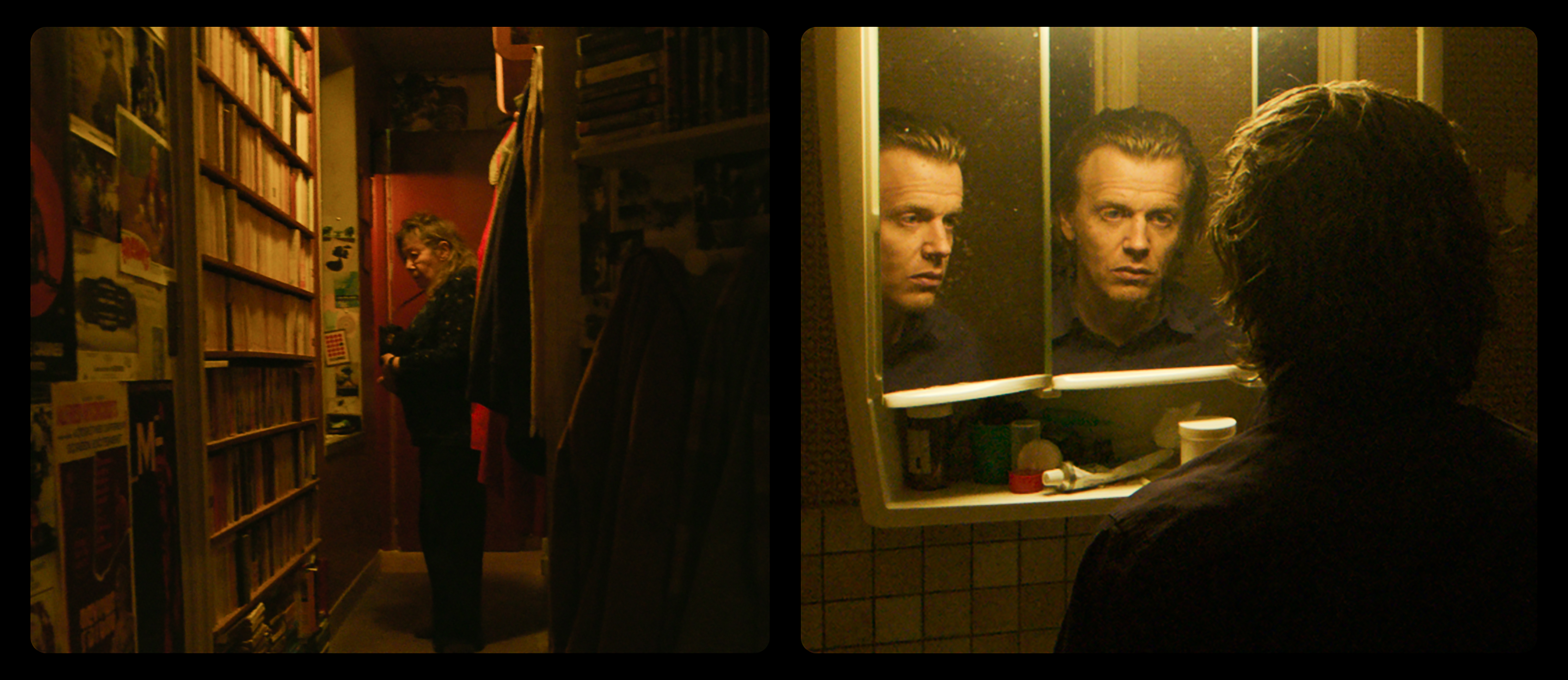
Françoise Lebrun and Dario Argento engage in improvised dialogue. For his first leading film role, the Italian screenwriter and director abandons his wife to write a book with Freudian overtones. As for Françoise Lebrun, whose performance in Mother and Whore (1973) left a deep impression on Gaspar Noé, she brilliantly interprets the gradual loss of her autonomy. Speech trembles, gestures are abbreviated. The feeling is one of suffocation, languid but certain.
A special mention must go to Alex Lutz's performance as the fallen son who tries in vain to fix what's left of his parents' image, and who seems to us the closest thing we have to an individual. With this approach to our own condition, Gaspar Noé enters a new era.
Write to the author: [email protected]

You'll also like

 French
  German
  English
Leave a comment