



Coming soon: «Operation Epic Fail»
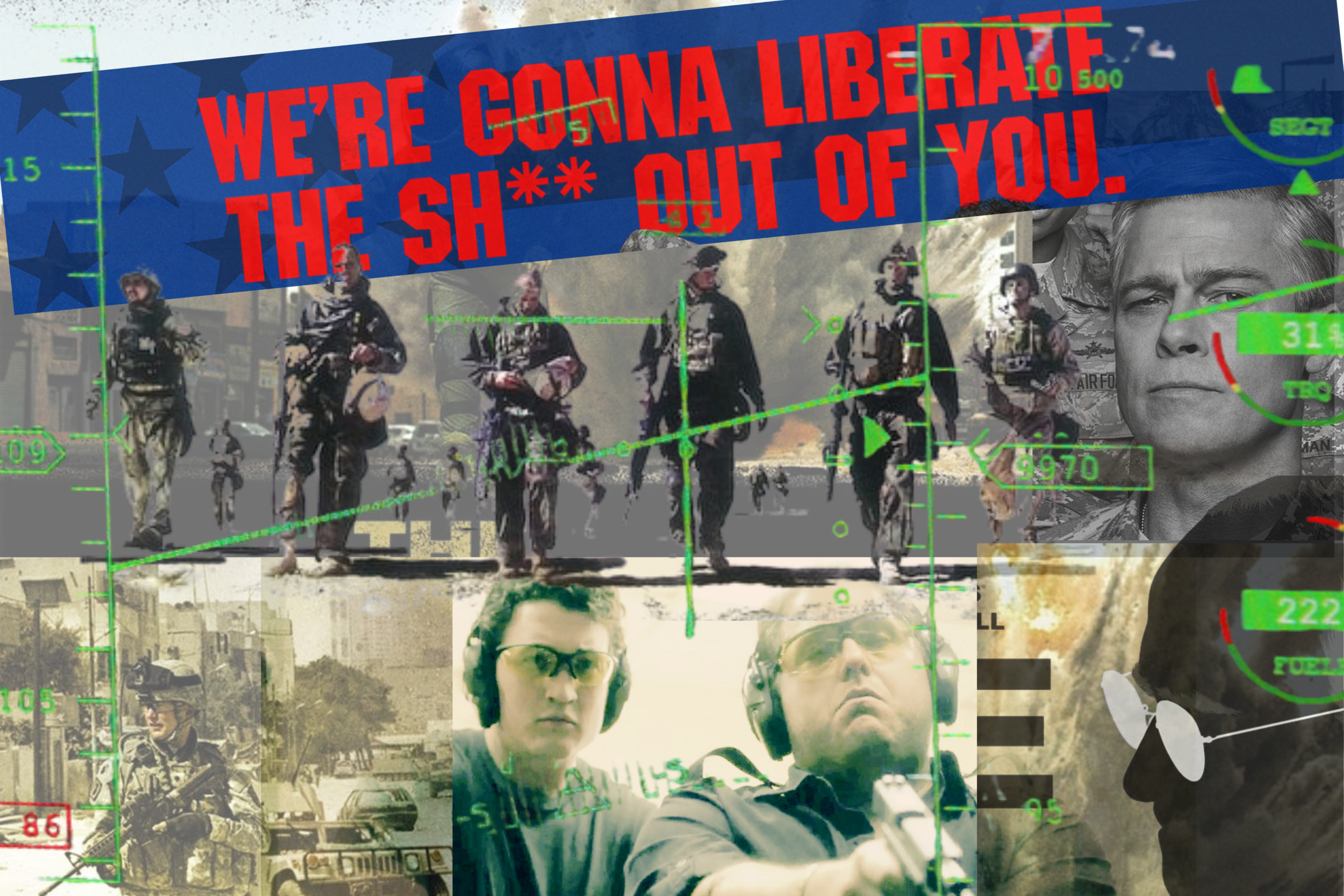
A plethora of Hollywood films remind us that liberating the Middle East with bombs never worked for the Americans. Photos: Annapurna Pictures, Netflix, HBO and Summit Entertainment. Editing: Jocelyn Daloz
At a time when the U.S. military's «excursion» into Iran is making George W. Bush look like a lucid strategist, I can already see the next Hollywood political comedy.
I dare a prediction: in a few years, an iconic actor (I suggest Ben Affleck, at random) will take on the role of US Secretary of Defense Pete Hegseth, in a caustic, acerbic comedy-drama of the second Trump administration. A comedy reminiscent of Vice (2019), the film starring Christian Bale as Vice President Dick Cheney, or War Machine (2017), in which Brad Pitt caricatured General Stanley McChrystal, commander of NATO forces during the war in Afghanistan.
We'll find the same grating tone, the same denunciation of blindness and incompetence, arrogance and absurdities that have characterized American wars since Vietnam. This film, which could be called Epic Fail or Epic Folly, based on the current operation in Iran (Epic Fury), may win a few Oscars, will be castigated by Donald Trump supporters and conservative warmongers, praised by Democrats, eviscerated by critics for its lack of subtlety, and then fade away, like the prolific Hollywood filmography of previous American «excursions» into the Middle East.
Vice, for example, traces with some fidelity the transformation of the Republican Party, since the trauma of the Richard Nixon scandal, into an extremist and messianic movement ready to do anything to seize power, and which elevated the sinister Dick Cheney and his neoconservative henchmen to the head of the world's greatest power, plunging the world into the quagmires of Iraq and Afghanistan.
War Machine, For his part, he depicts an America imbued with its own superiority, incapable of understanding local dynamics, which tries to «win the hearts and minds» of Afghans by offering them soccer balls while razing their villages to the ground. McDonald's, napalm and Agent Orange, a strategy already successfully employed in Vietnam.
Hollywood's ignored warnings against war
Yet none of these films served as a warning on February 28, 2026, when the bombs began to fall on Teheran. Nor did the miniseries Generation Kill (HBO, 2008), which follows a journalist embedded with a Marine reconnaissance unit during the 2003 invasion of Iraq. The series exposes the crass incompetence of military and political planners, contradictory orders and a chain of command disconnected from the field. Or Sand Castle (2017), in which soldiers tasked with repairing a water pumping station in Iraq come up against the logistical absurdity and indifference of their hierarchy.
In War Dogs (2016), based on true events and unjustly ignored by the critics, the duo Jonah Hill and Miles Teller play opportunists who overnight become wealthy arms dealers thanks to the largesse of the US army during the Iraq war. The Pentagon is swimming in money, approving tenders by the bucketful, with no concern for the staggering margins of the military-industrial complex, which profits shamelessly.
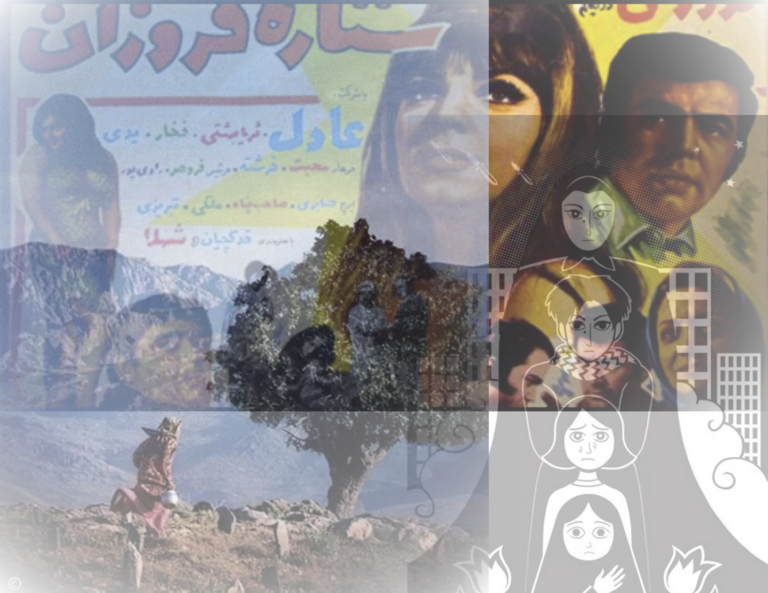
Read also | Freedom through the lens of Iranian filmmakers
So much for absurdity, but let's not forget that these American wanderings leave hundreds of thousands of victims in their wake. While Kathryn Bigelow and Sam Mendes highlight the shattered lives of American soldiers in films such as The Hurt Locker (2008) or Jarhead (2005), you can also take a break from America by discovering Mosul (2019), an excellent Turkish production from Netflix that follows an elite Iraqi army unit through the hell of recapturing the city from Daech.
An informed viewer would also have understood the difficulty of attacking the Iranian regime when watching Tehran, on Apple TV (2020), which follows an Iranian-born Mossad agent who infiltrates Teheran to sabotage a nuclear reactor. This Israeli series offers a surprisingly nuanced portrayal of Iran, exposing the diversity of Iranian society, from the corrupt and idle power elites to the middle class who survive by bending over backwards, from rebellious students who take drugs at underground raves to women who flee patriarchal violence in precarious shelters... The series is also revealing of the brutality of the Israelis and their security obsession that borders on the irrational towards Iran's nuclear program.
Every month, our film review Jocelyn Daloz explores the seventh art in its socio-historical context.
You have just read an open-access column from our print edition (Le Regard Libre N°126). Debates, analyses, cultural news: subscribe to support us and access all our content.
You'll also like



 French
  German
  English
Leave a comment