



Nobility of Spirit and Blindness
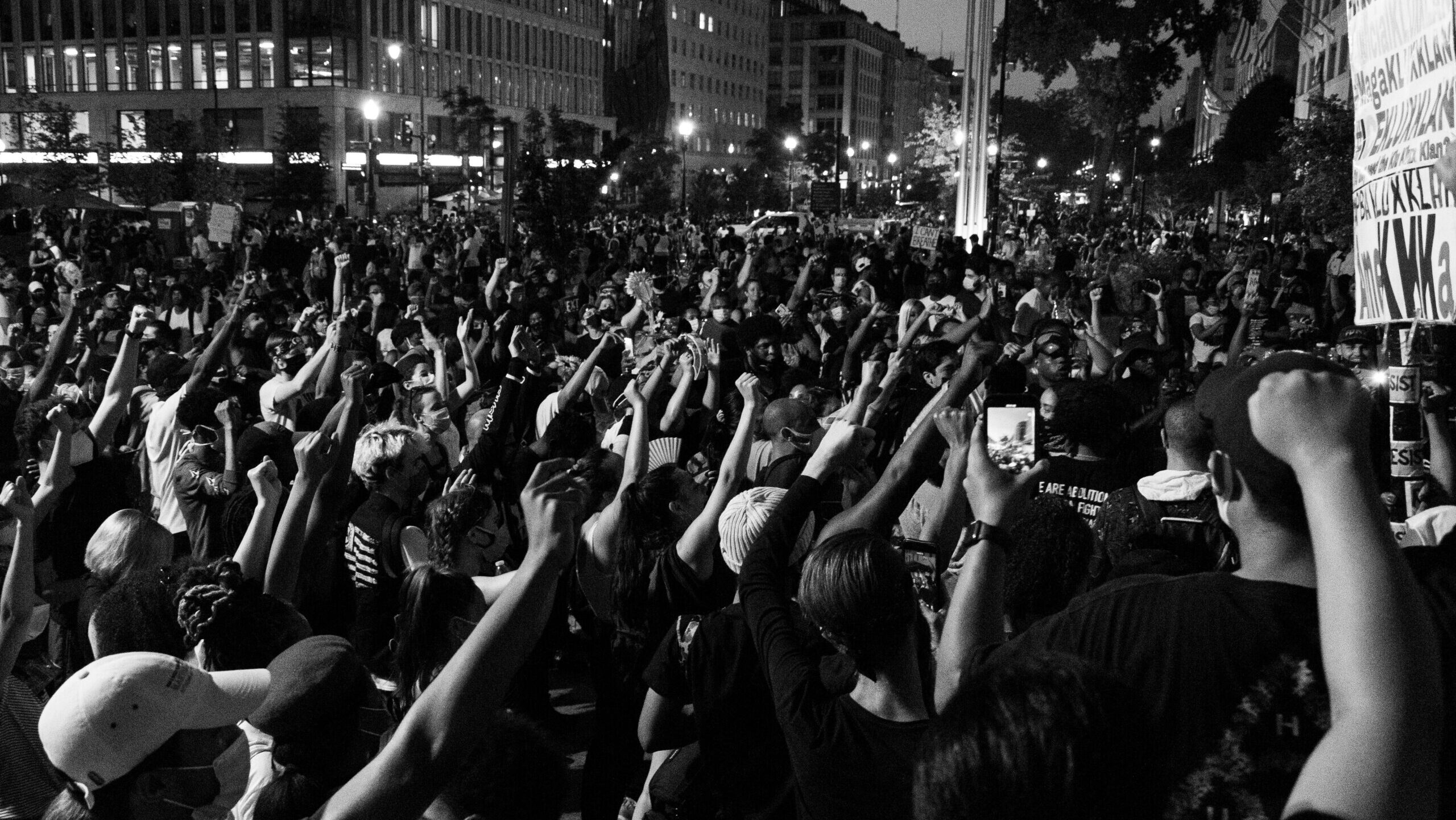
Photo: Koshu Kunii (Unsplash)
When it becomes a cause, the humanist ideal can lead to blind spots and blindness. A warning against interpreting the world through the lens of the West’s colonial guilt.
Gradually, a significant portion of Western public opinion has come to adopt a framework centered on the idea of collective responsibility inherited from our colonial past. This so-called «progressive» way of thinking draws on a profoundly noble and sincere humanism present in all of us: protecting the weak from the powerful, the poor from the greed of the rich, and the oppressed from their oppressors. However, the history of ideas shows that even the most generous intentions can produce unexpected effects. When a moral ideal becomes a militant framework for interpretation, criticism of the West ends up resembling a disturbing «down with ourselves.».
«The gravest crime against humanity»
The coverage of global conflicts by the so-called mainstream media, including in Switzerland, is shaped by this same lens, gradually influencing our collective perceptions. Many non-Western countries are echoing this view and increasingly rejecting the West and its so-called superior values. The arrogance and excesses of the current U.S. president, as well as scandalous affairs like the Epstein case, certainly contribute to this. In the eyes of many, the West is imperialist, violent, and decadent—an observation that, at first glance, seems difficult to refute. The recent United Nations resolution describing the transatlantic slave trade as «the gravest crime against humanity» raises questions. It tends to obscure other forms of slavery, some of which persist even today. Several intellectuals, including Africans, are speaking out against this simplistic ranking and denouncing a victimization that risks stifling the spirit of initiative.
Territorial expansion and the domination of other peoples have been nearly universal phenomena in human history. Colonizers were not always European: they could also be Indonesian, Turkish, Chinese, or Arab. This does not exempt us from critically examining our own colonial past. Colonization has almost always marginalized, or even erased, preexisting cultures: this is a historical reality. So too are repression, slavery, and the plundering of resources. But history cannot be reduced to a one-sided narrative. Infrastructure, public health systems, the concept of human rights, the abolition of slavery, the rule of law, and freedom of expression have also spread from Western societies to much of the world.
The Reversal of Colonization
A paradox of our time: moral criticism of colonialism, the idea of self-determination for peoples, as well as feminism and the defense of LGBTQIA+ rights, are concepts that originated in Western societies and continue, in a sense, to «colonize» minds on a global scale.
Some activist approaches go even further, calling for reparations or suggesting that the historical consequences of colonization should be reversed. Who can say that such a perspective is realistic? What would it actually mean to «decolonize» countries in the Americas, Oceania, or even Israel? These societies are now complex political, demographic, and cultural realities, shaped by several centuries of history. Envisioning a return to a previous state is neither desirable nor possible.
For a clear-headed analysis
A sense of collective guilt also fuels the desire to combat what is perceived as pervasive racism, while overlooking the fact that this very real phenomenon is in no way comparable to what it was just a few decades ago. Abuses occur when certain realities become impossible to name. The case of the sexual crimes in Rotherham, England, between 1997 and 2013—with more than 1,500 child victims—is a chilling example. Although the authorities had been informed of the abuses committed by a criminal network composed mainly of people of Pakistani origin, they were slow to act, fearing they would be accused of racism. It is as if, for certain institutions, nothing could be worse than that suspicion—even if it meant allowing abominable crimes to continue. This speaks volumes about the ideological filters at work.
A segment of the left-wing intellectual community, driven by an ideal of inclusion and a desire to put an end to capitalism once and for all, seems today to be trapped in a form of political nihilism. By appealing to our humanism, this line of thinking is gradually taking hold in people’s minds. In the name of anti-racism and a benevolent cultural relativism, some have come to turn a blind eye to violent Islamist movements that skillfully exploit this rhetoric to gain political and cultural legitimacy, all while capturing valuable votes. Held up as the perfect symbol of Western imperialism, the State of Israel is reduced to a mere colonization enterprise driven by «white settlers,» and is therefore deemed guilty. This framework trivializes forms of antisemitism under the guise of political criticism.
Read also | Wokism and Trumpism: Seven Similarities
Moral generosity is a precious strength of our Western societies. But to remain a strength, it must be accompanied by a clear-eyed and comprehensive analysis of our history. Without this, nobility of spirit can lead to blindness. This complacency turns openness into naivety and trivializes a return to the obscurantism that Europe has spent centuries fighting. Western societies are certainly not perfect. At the same time, we have no reason to be ashamed of our values or the prosperity that stems from them. Thousands of migrants, seeking a better future for their families, are well aware of this. We will need to welcome them as long as our birth rates remain low. Let us welcome them without fear and with a clear and confident affirmation of our values – especially since those values are being put to the test today.
You have just read an open-access article published in our print edition (Le Regard Libre N°127). Debates, analyses, cultural news: subscribe to support us and access all our content.
You'll also like





 French
  German
  English
Leave a comment