




Marcel Proust's figures of idleness
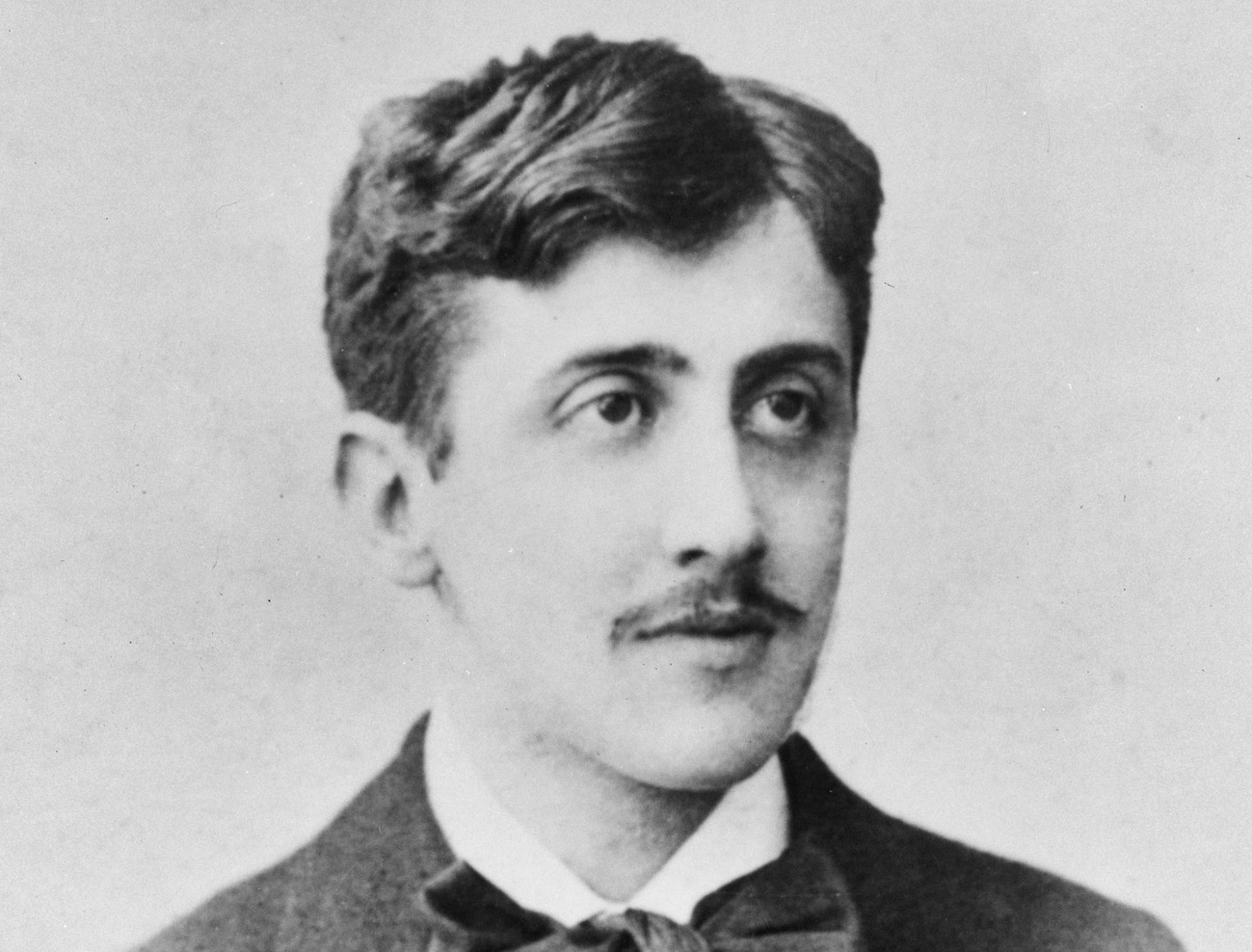
Marcel Proust (1871-1922), author of «A la recherche du temps perdu» © Wikimedia 3.0 (author unknown)
In A la recherche du temps perdu, Proust talks a lot about the musardise of the members of the French nobility with whom he was associated. At the same time, he reminds us that it was his vocation as a writer that prevented him from becoming a true man of the world.
Marcel Proust was long regarded by the society he frequented as an aesthete of remarkable culture and wit, but incapable of producing a major literary work. The Duc de Gramont, to whom he was very close, said in 1962 that when he praised his friend's admirable intellectual qualities, he was often told: «Ah, yes! Proust, from the Hotel Ritz! This reputation as a brilliant, idle socialite accompanied the novelist right up to the publication of Du côté de chez Swann in 1913. Indeed, if he had resolved to lead a life similar to that of the aristocrats he
This content is reserved for our subscribers.

You'll also like



 French
  German
  English