



Deep Purple, the Montreux legend
Deep Purple
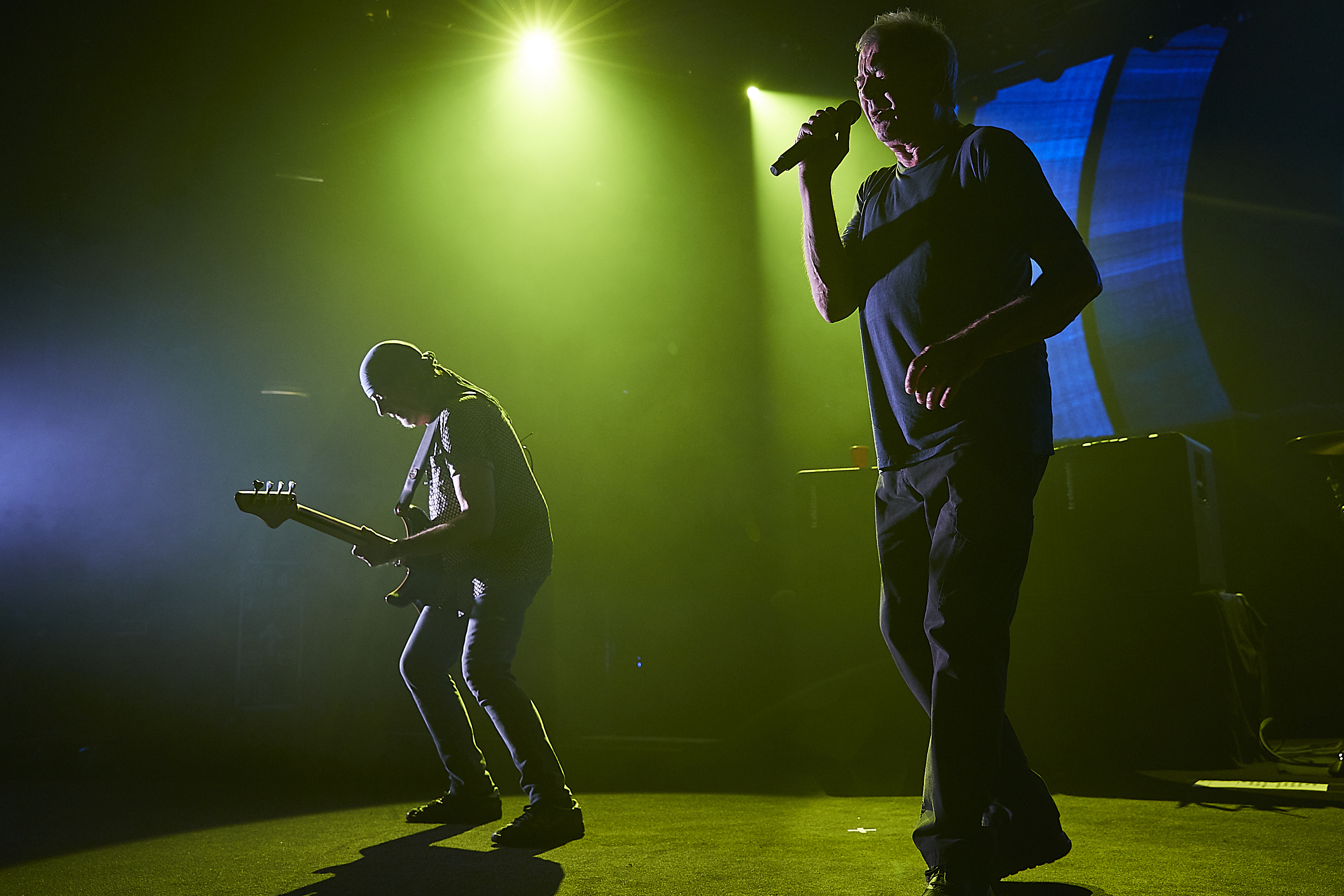
On Wednesday, July 4, the famous British hard rock band performed at the Stravinski Auditorium, cementing its status as one of the great legends of the Montreux Jazz Festival. It was a night filled with emotion and grandeur.
Last night, Deep Purple's performance at the Stravinski Auditorium in Montreux, following The Temperance Movement, was something special. Special because their hit song Smoke on the Water, whose riff quickly became the most famous in the entire history of rock, was composed following the fire at the Montreux Casino in 1971, which the band witnessed on the shores of Lake Geneva. It’s a unique event because it’s their farewell tour and therefore—perhaps—their final appearance at the Montreux Jazz Festival.
Reminiscent of 1996
Although their song mentioned above dates back to 1971, the band didn’t begin performing in Montreux until 1996. That year was particularly interesting: having just lost their famous guitarist Ritchie Blackmore—whose Fender Stratocaster was an integral part of Deep Purple’s sound alongside Jon Lord’s Hammond organ— the band released an album marking the arrival of guitarist Steve Morse, who has since provided a measure of stability to the group, which has seen its fair share of breakups and reunions.
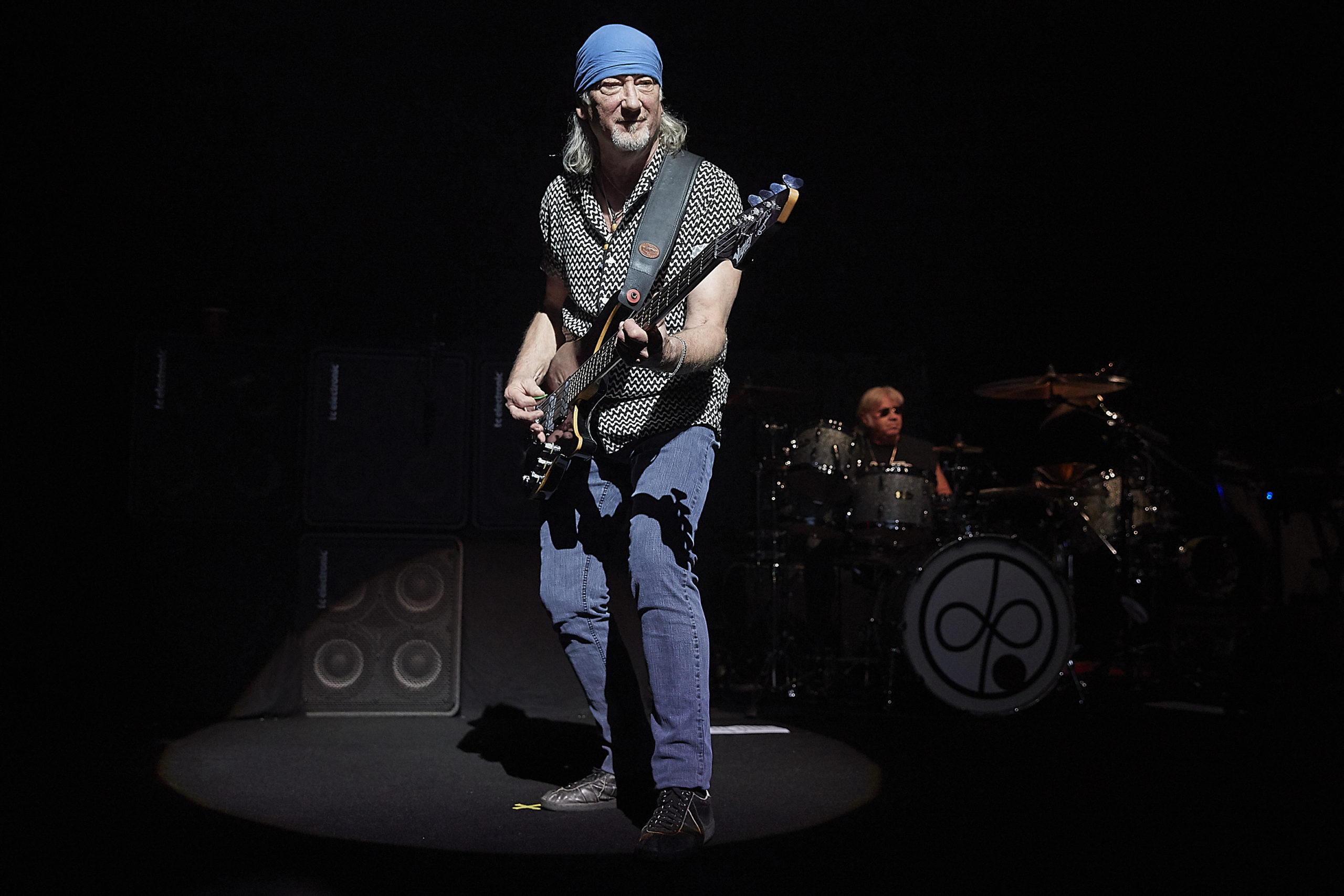
This album is Perpendicular, and it has to be said that it's a real gem. Recorded in Orlando, Florida, it's considered their most experimental album, with plenty of risks taken in terms of their musical direction. The ballad Sometimes I Feel Like Screaming That’s how it all began, and it was a deeply moving experience to hear the band perform it last night—with Ian Gillan admittedly struggling a bit with his voice during the chorus, but undeniably moved and moving. The same goes for bassist Roger Glover, also a founding member, who feels right at home when he’s on stage with his bandmates. And it really shows!
A majestic spectacle
The staging was majestic, even a little kitschy. After a projection of a massive iceberg on which the faces of the five current members appeared to be etched into the ice, the venue plunged into darkness, with an orchestral introduction featuring brass and strings giving way to the musicians’ chords, dimly illuminated by a small white light. It wasn’t until the next song that the concert really got underway, with a giant horizontal screen behind the stage displaying a succession of psychedelic audiovisual visuals and close-ups of Steve Morse—shown four times over—during each of his solos.
Read also | Paolo Conte enchanted the Auditorium Stravinski, followed by Etienne Daho
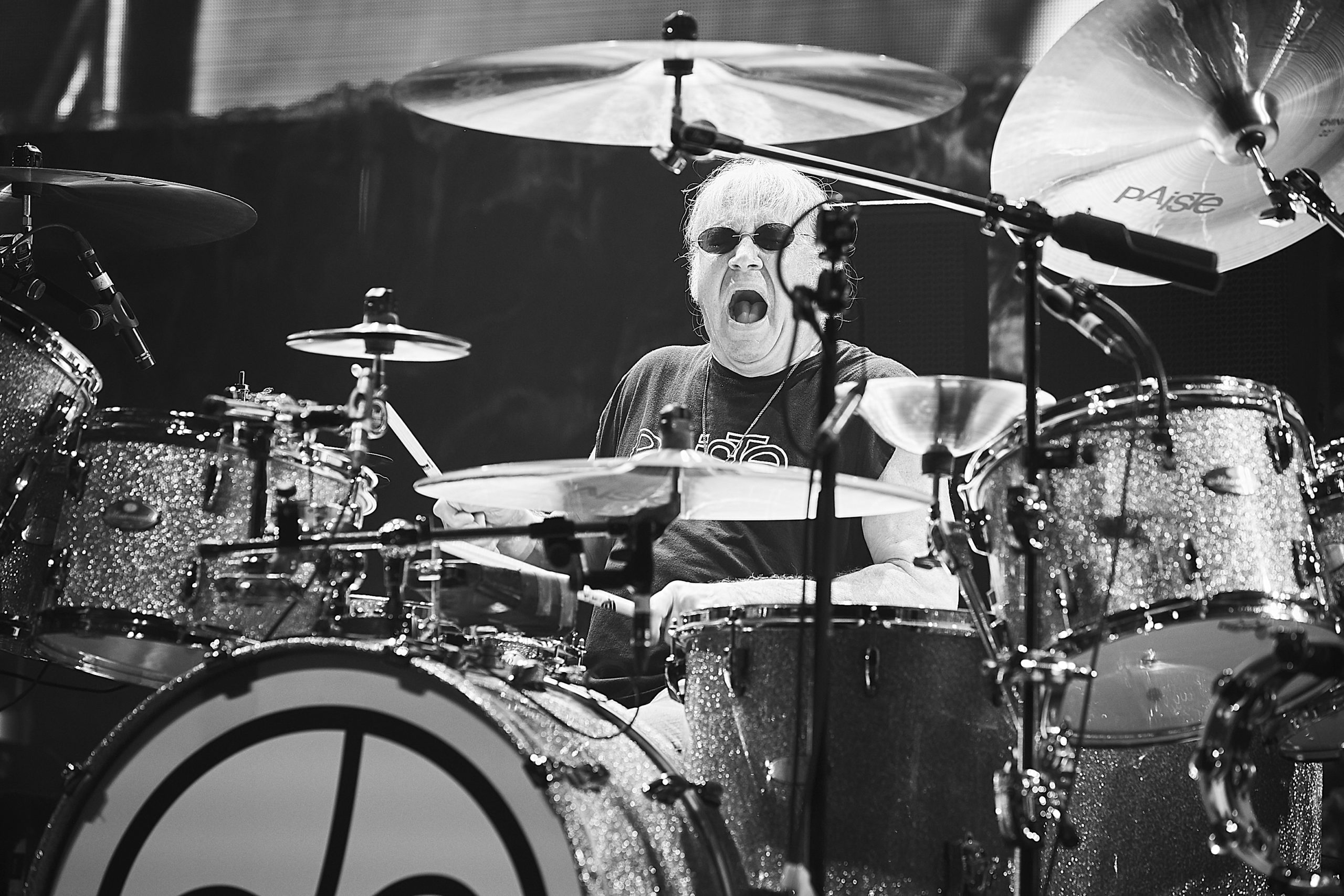
The show was majestic, above all because of its instrumental quality, which remains the band’s unaltered hallmark. The solos by organist Don Airey, who joined Deep Purple in 2002, defy belief. You have to be there to appreciate them. We certainly miss Jon Lord, but the band maintained their high standard of excellence. What breathtaking notes! Moreover, as usual, the band didn’t hesitate to include very long instrumental passages, much to the audience’s delight. Ian Paice’s drum solo, among others, will go down in history.
Many of the pieces followed on from each other with a musical transition, without a break. The result was a concert-album, a concert-concept. Some tracks from the new inFinite, including the striking Time for Bedlam, have demonstrated that the talent of their compositions does not belong to a bygone era. And then, the cult song Smoke on The Water The song rang out through the hall, performed flawlessly. It was a historic moment—even the most clueless person can sense something like that. Deep Purple is one of the three founding bands of hard rock, and yet their style defies categorization. Their sound is one of a kind. It was a magical evening.
Write to the author: [email protected]
Photo credit: © 2018 FFJM - Daniel Balmat

You'll also like


 French
  German
  English
Leave a comment