In the shadow of Trumpism, an ideological nebula combining rejection of democracy and technological fascination is gaining visibility. In Les Lumières sombres, political scientist Arnaud Miranda deciphers this neo-reaction, still hazy but already influential.
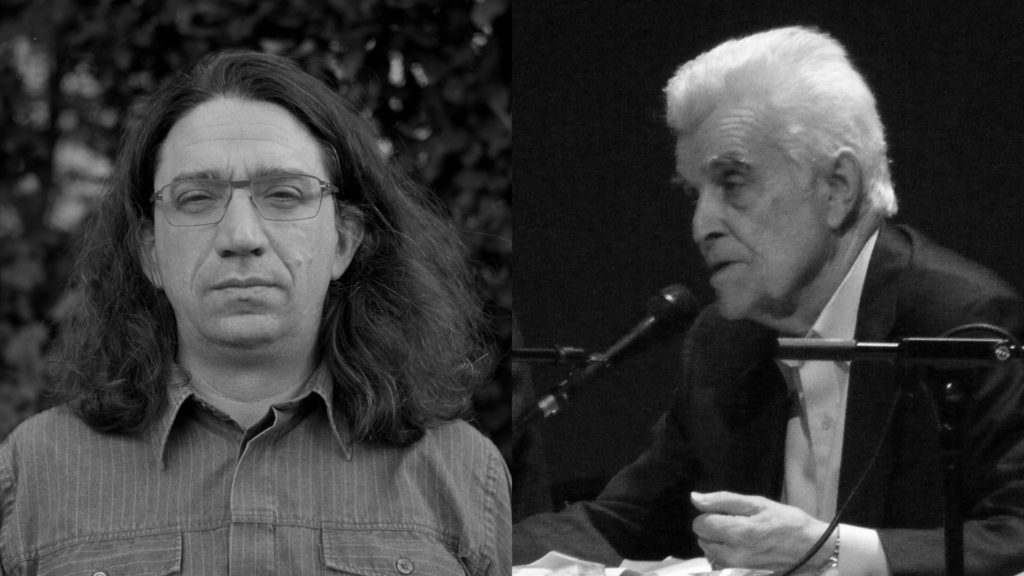
One reveals how societies unite by naming culprits. The other wants to put an end to violence through power without checks and balances. Everything seems to oppose them, but their ideas form an intellectual foundation for Donald Trump and J.D. Vance's conception of the people.
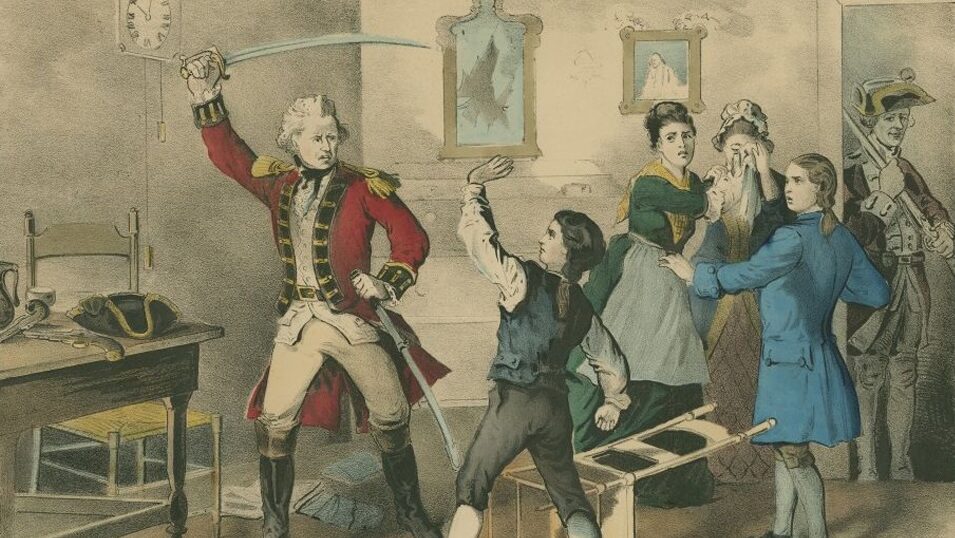
The term populist is a modern invention. Yet it says nothing about a dynamic whose mainspring can be found as far back as antiquity: criticism of the imperfections of the political system, with the aim of amending it.
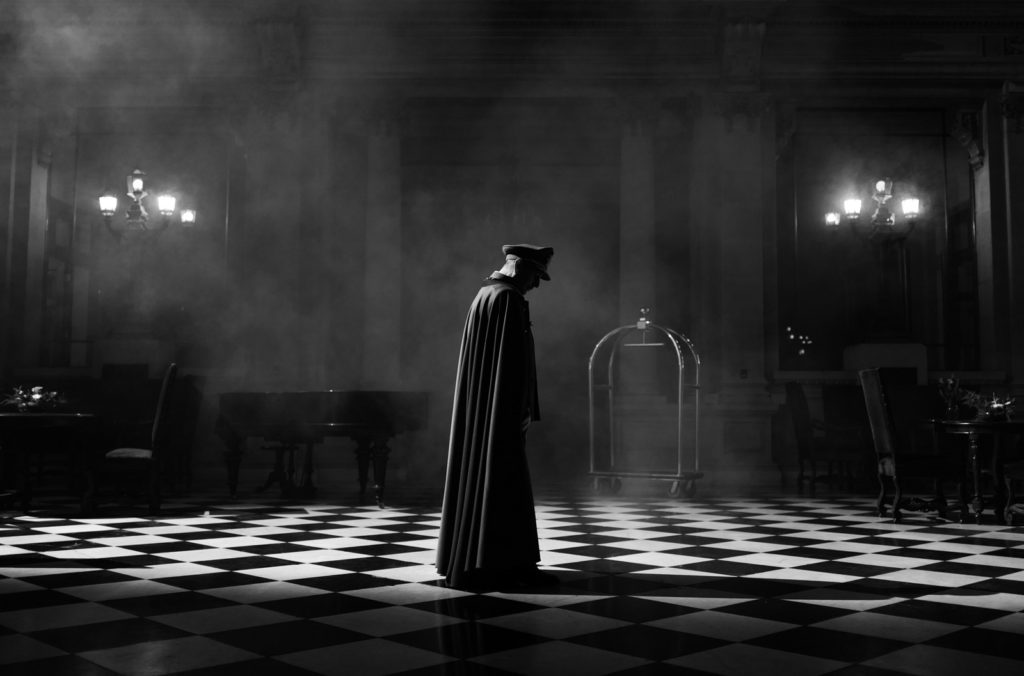
Turning the biography of a dictator responsible for hundreds of thousands of deaths into a film is a daring gamble. All the more so when you mix dark humor and fantasy. Unfortunately, the ingredients just don't mix.
Social fracture and disillusionment: the silent majority and the Parisian elite no longer understand each other. At the center of the fray, a providential politician makes promises, heats up and charms the crowds. A powerful critique of populism, even of democracy.
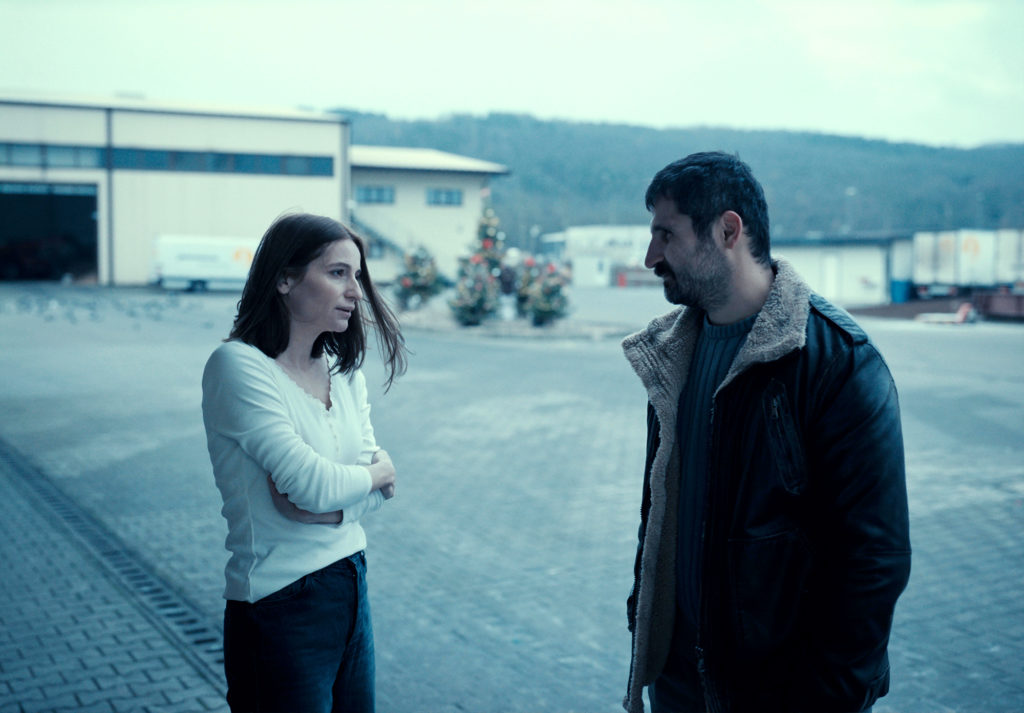
Known for his Palme d'Or win on the theme of abortion with «4 Months, 3 Weeks, 2 Days» (2004), Romanian director Cristian Mungui's «R.M.N.» unravels the stubborn populist resentments of a Transylvanian village under the yoke of the EU.
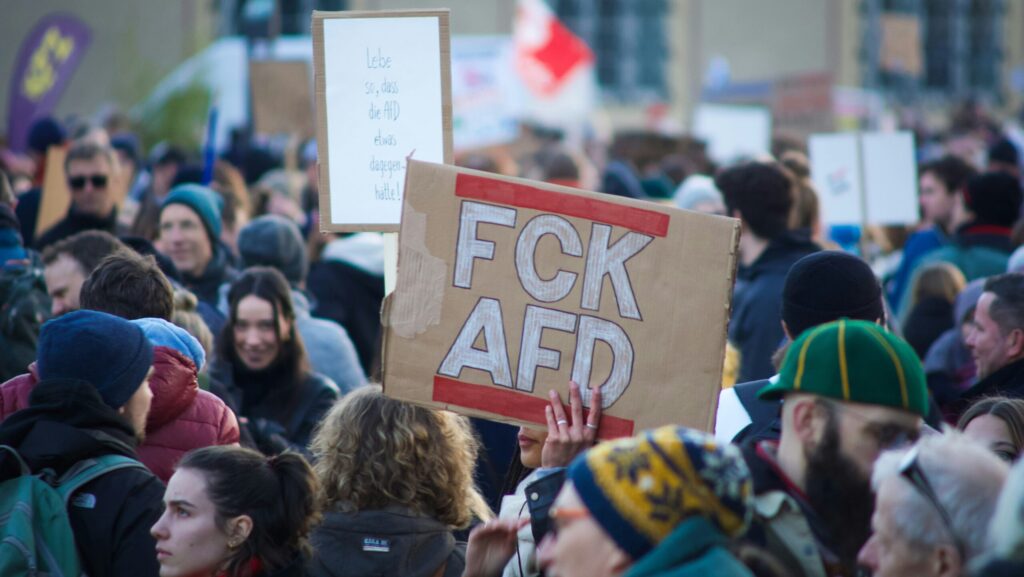
The growing popularity of «populist» leaders in the Western world reflects a long-standing but ever-present divide between the elites and the people. This raises profound questions about what democracy should be. Gérard Araud, Chantal Delsol and David Goodhart help us do just that.
Antoine-Frédéric Bernhard and Jonas Follonier The double majority rule of the people and the cantons has been snubbed by...
Tuesday's Books – Ivan Garcia Giacomo Papi meticulously describes the flaws of today's populism in *The Census of...*.










 French
  German
  English