



The debate on faces will have been covered
Le Regard Libre N° 71 - Jonas Follonier
Today, we’ll find out: the people will decide whether or not it should be illegal to cover one’s face in public spaces in Switzerland. The «Yes to a Ban on Face Coverings» initiative calls for a ban on all forms of face coverings (burqas, balaclavas, motorcycle helmets, etc.) on the streets, in restaurants, in stores, and in other public places. Exceptions are places of worship and cases where local customs or health, weather, or safety reasons justify covering the face.
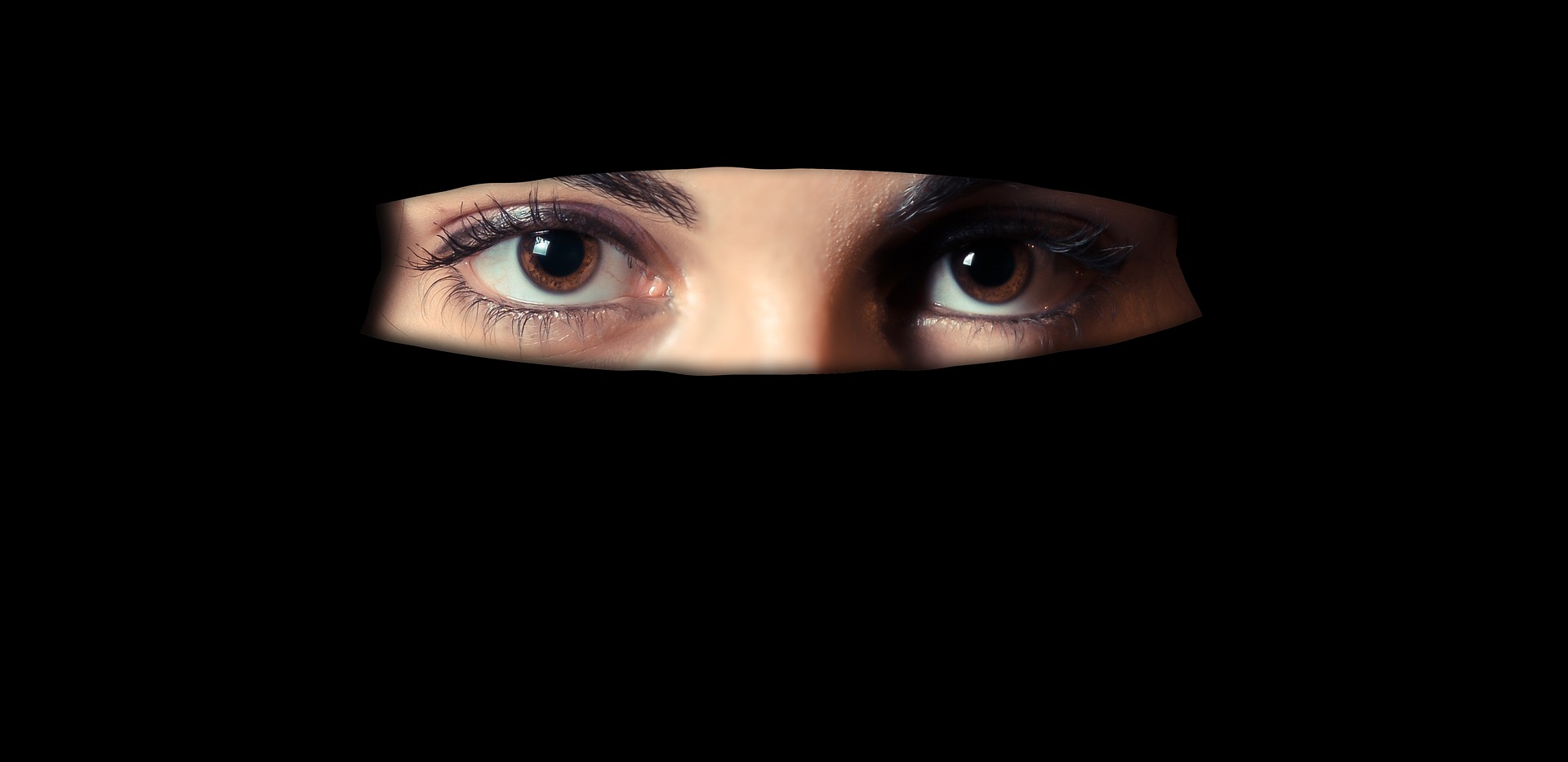
The debate has often centered on the burqa and the niqab, Islamic veils that completely cover women’s faces (except for the eyes in the case of the niqab). According to the Federal Council, the fact that very few women wear the full-face veil in Switzerland and that it is already a criminal offense for a man to force a woman to wear one is sufficient grounds to reject the initiative. Parliament agrees.
Still on the subject of the full-face veil, Federal Councilor Karin Keller-Sutter took a surprising stance: «Women should dress however they want.». This is what’s known as a «petition of principle»: this debate centers precisely on whether or not covering one’s face in public is harmless, whether it’s simply a way of dressing like everyone else. However, instead of providing reasons to believe that it is, the minister has merely asserted it. Her opponents, on the other hand, have arguments to present. Let’s mention just two for now: the burqa signifies women’s submission to men and a public display of political Islam—two points that show that it's not just another outfit.
Read also | Debate on secularism tears Geneva apart
Let's not even get into the economic argument put forward by KKS herself (and many others on the right), which claims that a burqa ban would discourage wealthy tourists from the United Arab Emirates from visiting our resorts: If the economy takes precedence over everything—including the most basic sense of humanity on our trails and in our mountains—we might as well say so right away, and then things will be clear.
But the most regrettable thing about this whole story was, ironically, the decision to conceal the theme of the face. No matter how many’hooligans Whether it concerns people wearing balaclavas or women wearing the burqa or niqab in Switzerland, a constitutional issue is, by definition, a matter of principle. It is not valid to refrain from banning cannibalism on the grounds that the practice is marginal. The same should apply to this referendum.
Because, ultimately, this is the question we face: Do we, as a civilized society, want to ensure that faces are visible in public spaces? As the philosopher Stéphanie Perruchoud writes in our columns or former National Council member Suzette Sandoz on his blog «Le Grain de sable,», The Covid-19 hygiene measures have reminded us just how much we are, first and foremost, physical beings. And, more specifically, that our humanity is expressed through our faces.
Let’s set aside the initiative’s proponents, their sensationalist arguments about crime, and the fear-mongering posters we’ve come to expect from them: it’s always the text of the initiative that counts, and this one, when all is said and done, would have warranted a substantive debate on our relationship with the human face. Unfortunately, it didn't happen. In Switzerland, people talk so poorly about secularism, universality, Islam, and symbols. Pathetic!
Write to the author: jonas.follonier@leregardlibre.com
Cover image: Women in burqas with their children in Herat, Afghanistan (Source: Wikimedia (CC 2.0)

You'll also like


 French
  German
  English
Leave a comment