



We're all progressive
The label of «progressive» and the opposite label of «conservative» or, as the case may be, «reactionary» are now ubiquitous in describing each other's positions on political and social issues. For the proponents of each of these two caricatural camps, calling one's opponent a «reactionary» or, on the contrary, a «progressive» is often enough to discredit them.
What is progressivism? Is it the belief that history is nothing more than linear progress? That is obviously absurd. There has been progress in certain fields, such as medicine, but to speak of general progress while being aware of the tragic events of the 20thth That century is nonsense.
Does progressivism, then, mean advocating for progress—that is, striving to ensure that tomorrow is better than today? Undoubtedly, since progressivism is an ideological marker, it must therefore embody the idea of a certain political will. It is difficult to come up with a more precise definition: it is bound to be vague, given the variety of opinions commonly described as progressive (supporting remote work, supporting same-sex marriage, supporting the reform of a cantonal constitution).
Read also | The false narratives of progressivism and nationalism
In reality, we’re all progressives: no one would want tomorrow to be worse than today. As for the fact that the world is changing, that’s a cliché. On the other hand, no serious person would say they’re thrilled about all the changes that occur throughout world history.
The political debate therefore centers on the definition of progress. How can we improve the lot of society? Reactionaries are not anti-progressives: they believe that, in certain areas at least, a return to the way things were before would, in fact, constitute a step forward. The same is true of conservatives, who see a promise of progress in a program aimed at «preventing the world from falling apart,» to borrow the phrase used by Albert Camus in his Nobel Prize in Literature acceptance speech.
It is political debate that defines progress, not the other way around. The writer Benoît Duteurtre pointed out a few months ago in the French weekly Marianne «The worst mistake of communist regimes was to be too certain about the direction in which history should move—even to the point of demanding that reality conform to theory when it was clear that it wasn’t working. Many victims paid the price for this, and anyone who dared to challenge this direction was branded a stooge of reaction…»
«The meaning of history is revealed little by little, which requires curiosity and moderation,» the essayist added. He also noted that when it comes to music—a field dear to him—the «meaning of history» of the 1950s only became clear in hindsight. As for whether history repeats itself…
Write to the author: [email protected]
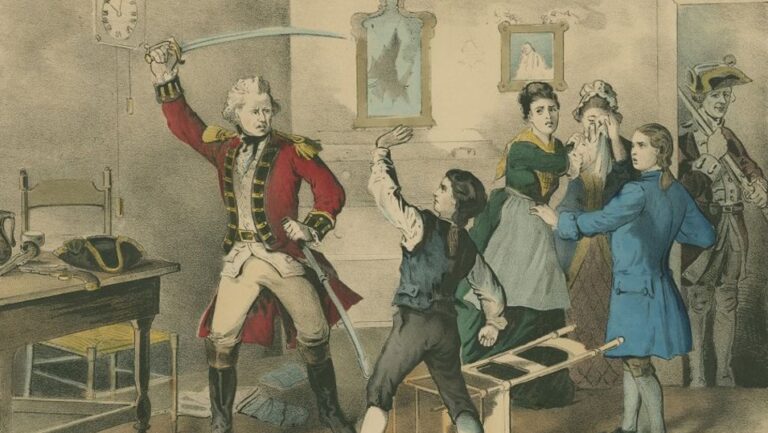
Drawing: © Nathanaël Schmid for Le Regard Libre

You'll also like





 French
  German
  English
Leave a comment