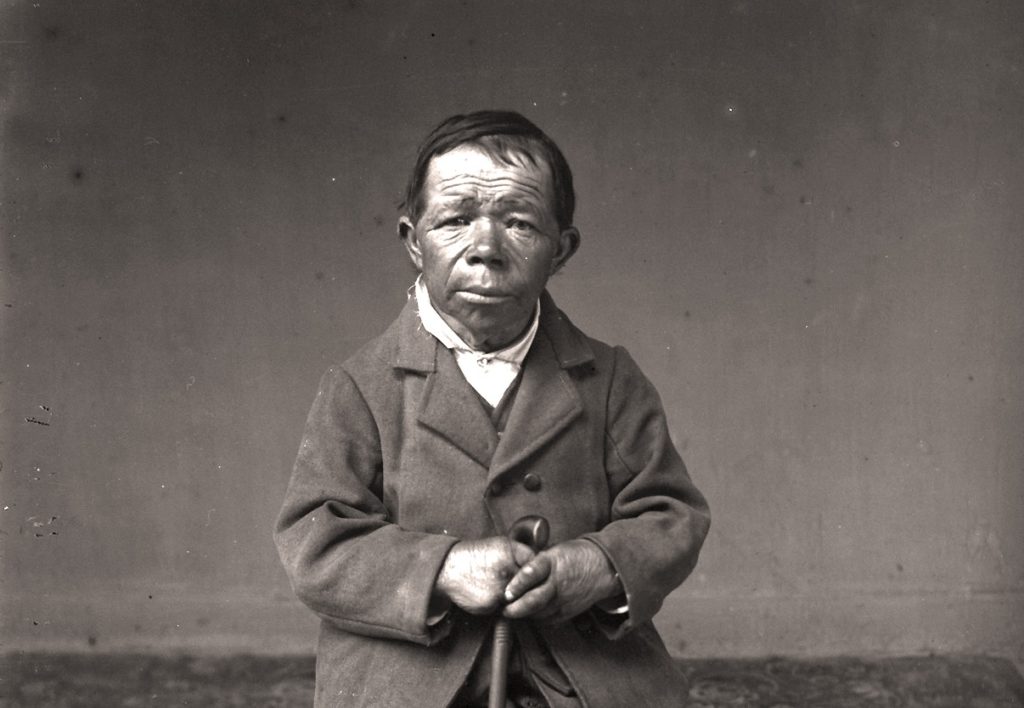
In the 19th century, a strange figure fueled the tales of travelers climbing the mountains of Switzerland: the «Alpine cretin». Whether a folk monster or the object of medical interest, his story reveals much more than a simple health phenomenon.
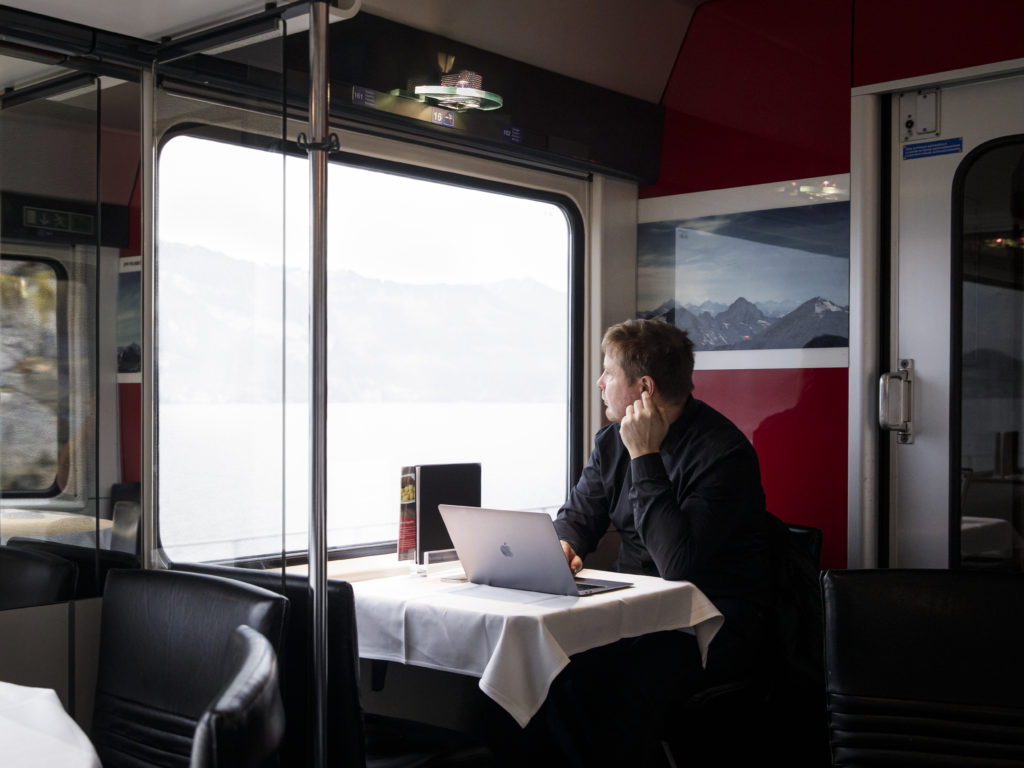
This subject is an extract from Nicolas Brodard's photographic project «De la représentation des Alpes en Suisse». This forthcoming book explores Switzerland's visual identity based on the Alpine landscape.
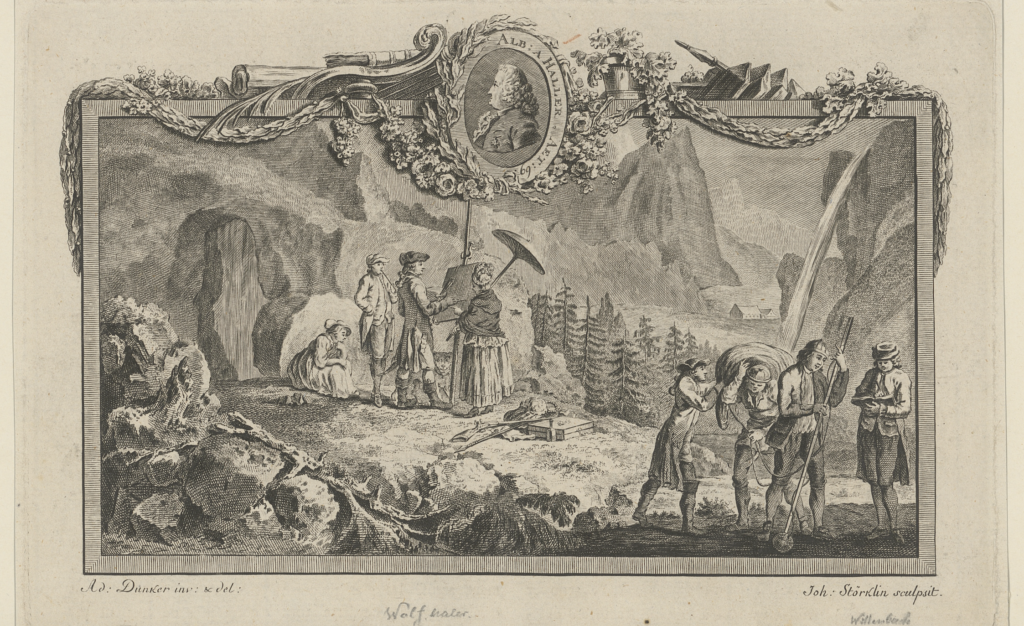
In the 18th century, the Alps ceased to be a mere obstacle or backdrop to become a veritable European myth. According to Professor Claude Reichler, literature provided the basis for this rediscovery, in which the mountains became a refuge from modern upheavals.
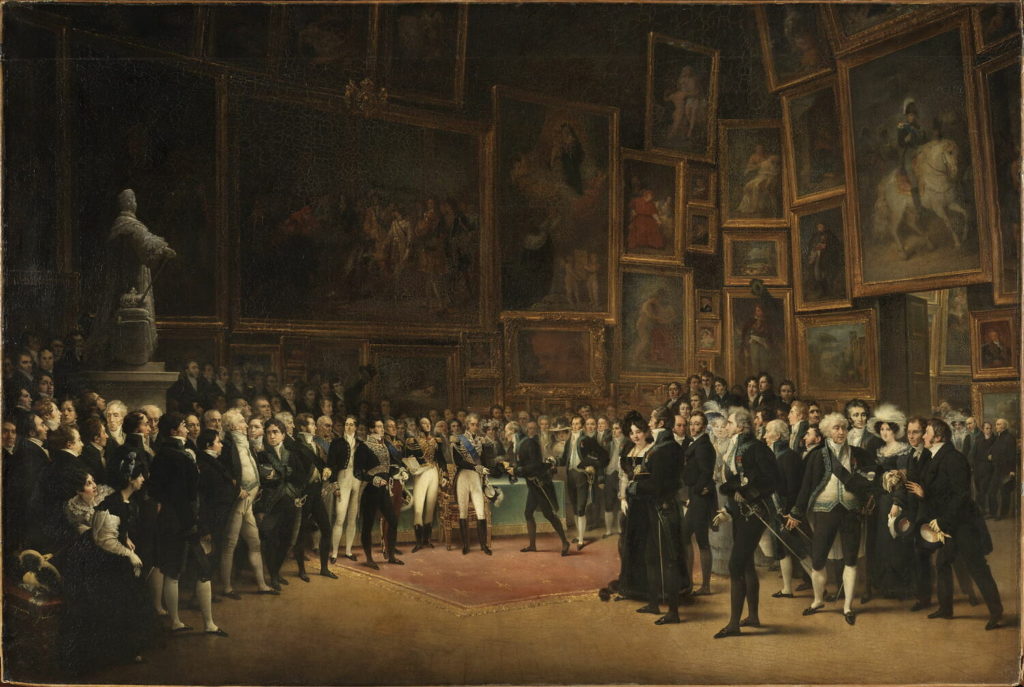
ARTICLE LONG FORMAT, Vinciane Vuilleumier | Paintings teach us to see. They exercise our sensibility: through paintings, the country becomes a landscape. Alain Roger speaks of artialization in visu: cultural productions, whether artistic or literary, dynamically constitute regimes of vision, showing us how to aesthetically see portions of reality that we had hitherto skimmed over. The first country to become a landscape was the countryside, followed by the seaside, the immensity of the ocean, the grandiose spectacle of the Alps. By dint of having seen such beautiful representations, we take a fresh, sensitive look at reality when it presents itself in these forms contemplated elsewhere.




 French
  German
  English