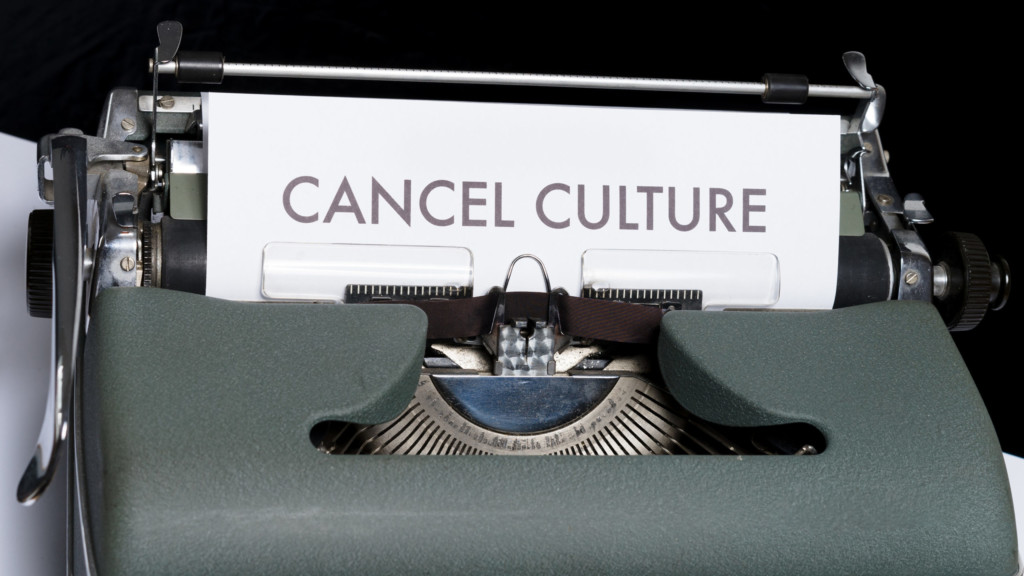
Communitarian discourse, currently in vogue and carried by minorities in need of an existence rather than victims of real repression, is torpedoing the fine 19th-century idea that the freedom of minorities should be preserved and defended, by transforming it into a weapon against freedom of expression, which includes, among other things, the right to humor. It is to be feared that the controversy provoked by French-speaking comedienne Claude Inga-Barbey's sketch dramatizing the difficulties of naming gender transformations illustrates an era marked by the thought police. From a philosophical point of view, this situation conceals an opposition between two types of universalism, that of proclaiming the rights of Man versus the rights of men.
LONG FORMAT ARTICLE, Clément Guntern | Just as parliamentary elections were taking place, the Burmese army stunned the world by taking back power by force. After just two months of protests, the Burmese state is in danger of becoming yet another failed state, with all its consequences in a region that is becoming increasingly central.
With the progress of science, particularly neuroscience, the possibility of free will is increasingly called into question. Every day, we discover new determinisms, i.e. conditionings to act in a certain way in a given context. Man's capacity for self-determination, which we hold so dear, may appear to be nothing more than an illusion. But before modern science got to grips with it, the question of free will already had a long history. Let's go back to the origins of a founding idea in the history of the West.
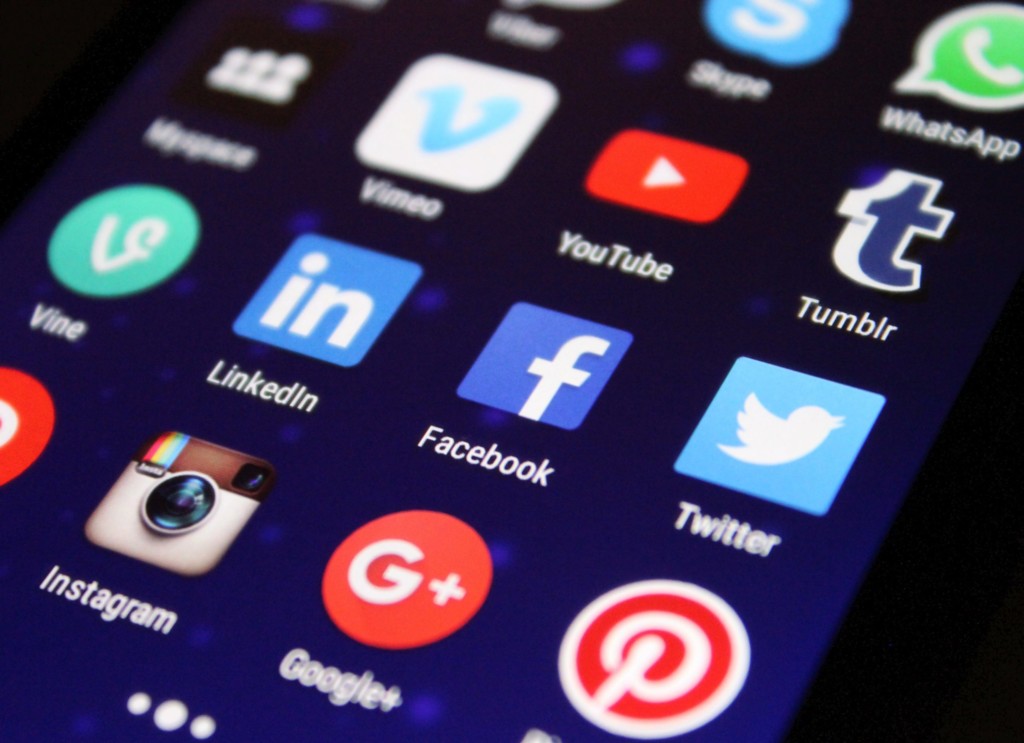
LONG-FORM ARTICLE, Jean-David Ponci | It is generally believed that, under Obama, the United States began to step back from its role as the world’s policeman. This trend has accelerated under Trump, whose «America First» slogan signals the U.S.’s withdrawal into itself. However, curiously enough, it is at the end of Trump’s term that a new global power—still in American hands—is demonstrating its strength. The GAFAM—an acronym for the major tech companies Google, Apple, Facebook, Amazon, and Microsoft—censor certain content for political reasons, revealing to a scandalized world that they are not merely service providers. This historic situation calls for reflection on the conditions necessary to guarantee freedom of expression on the Internet. Analysis.
ARTICLE LONG FORMAT, Clément Guntern | At the start of this new century, a new order is gradually taking hold: authoritarianism around the world is gaining in power, and the states claiming to be authoritarian are asserting themselves with increasing brutality. Russia and China are raising their voices and threatening reprisals against anyone who dares to criticize the state of democratic principles and human rights on their territory. While escalation with Russia remains measured, China is agitating, vituperating and sanctioning. For the time being, it is mainly on their own territories that these states are committing more and more crimes, but for powers with global ambitions, it is to be feared that this is an exportable model of governance. Democratic principles are now under direct threat. As a result, democratic states have a duty to respond firmly to authoritarian forces, while leaving the door open to collaboration.
«Coronation»: from the land of the coronavirus to the crowning glory of China's response to the pandemic. Wuhan containment as seen by Ai Weiwei.
LONG-FORM ARTICLE, Jean David-Ponci | “Woke” culture emerged in the 2000s in the United States to describe activism in support of Black people and, by extension, all those deemed disadvantaged due to their ethnicity, gender, sexual orientation, physical appearance, or disability. Many intellectuals on both the left and the right—the most famous being Barack Obama—have condemned this ideology prevalent on college campuses. In the United States, “woke” culture is primarily concerned with advocating for Black people, particularly through the Black Lives Matter movement, while in Europe it is mainly supported by LGBT advocacy groups. Even if this extreme form of political correctness may seem ridiculous to us, this analysis will reveal that we have already accepted the assumptions that lead to it. We are all already a little “woke” without even realizing it.
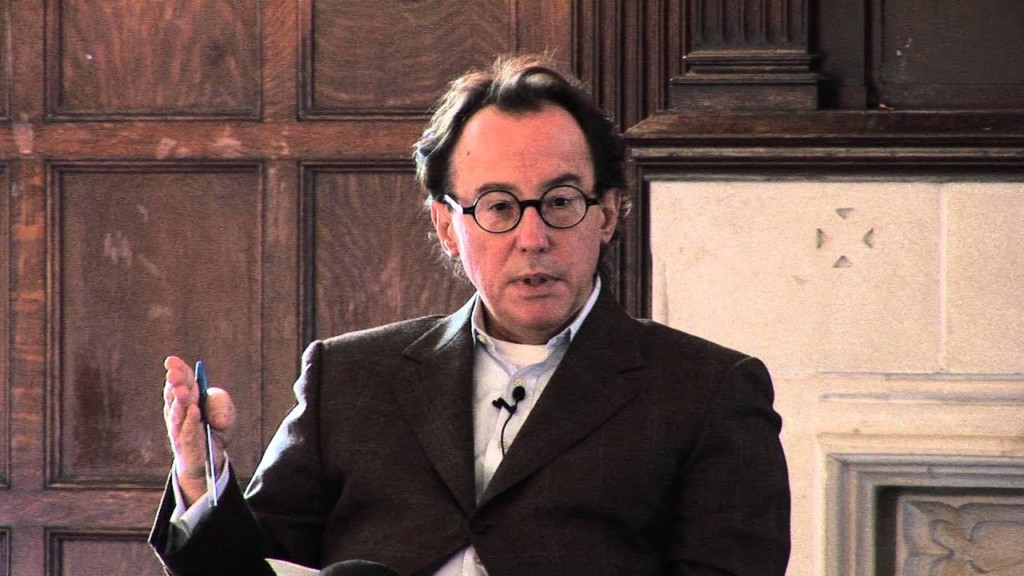
LONG FORMAT ARTICLE, Antoine Bernhard | To understand the ideology currently reigning in some universities, it's worth looking at the recent history of the United States, where this ideology was born. In 2017, the enigmatic Donald Trump was sworn in for four years as head of the world's leading power. Today, it's time to take stock. While all the media agree in decrying Trump's disastrous policies, few analyze the context that has enabled the triumph of a new American populism. Thirty years during which the left has retreated into an increasingly individualistic and anti-republican ideal, disregarding the need for a real political vision. This is what left-wing intellectual and Columbia University professor Mark Lilla analyzed in his 2018 book «The Identity Left».
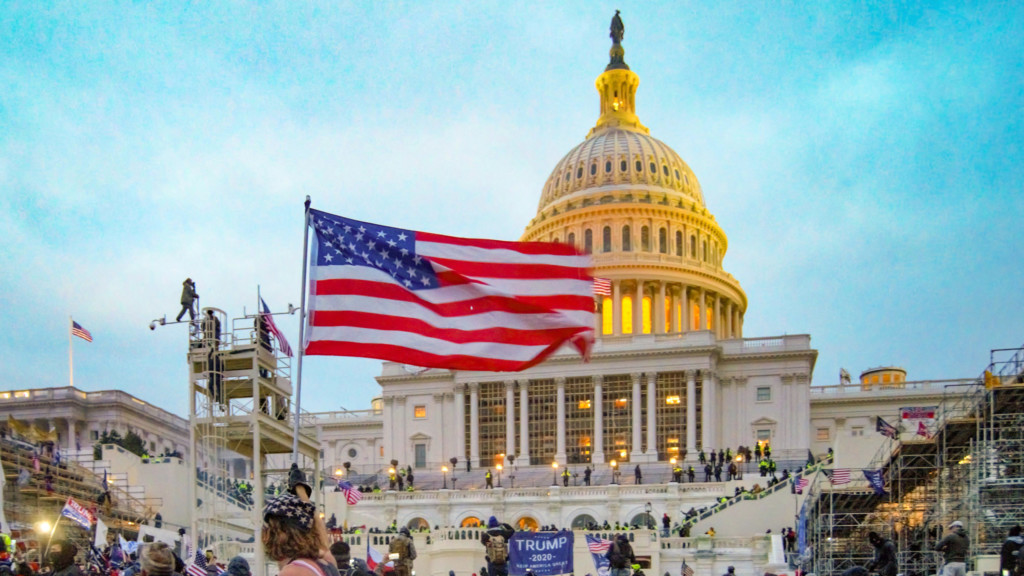
LONG FORMAT ARTICLE, Clément Guntern | Now that Donald Trump's term in office is coming to an end, the question arises: what will he leave as a legacy to his country's history? His personality and political actions may have shocked or impressed, but he is nonetheless perpetuating a trend that has long been present: the national disunity and international decline of the United States.








 French
  German
  English