Protectionism is often denounced as the natural enemy of prosperity, and lends itself to caricature. When...
American tariffs symbolize the resurgence of mercantilism. Imperial withdrawal, scarcity of resources, militarized trade: with the end of free trade, the global economy is reverting to its old reflexes. A zero-sum game in which all lose, except those who dictate the rules.
What if modernity's Achilles' heel wasn't so much economic or social as demographic? British essayist Louise Perry shows how the declining birth rate in the West could precipitate the end of the model that has shaped two centuries of progress.
The economic success of the West was made possible by the valorization of bourgeois virtues and freedom. They were ignited in 1848. Switzerland is a perfect example.
Children's early exposure to phones and tablets is causing concern around the world. Over and above the substance, this debate reveals just how decisive the first years of life are for the future of our societies.
Does a documentary imply a greater responsibility for the filmmaker than a work of fiction? Yes, without a doubt - at least, that's the postulate I'm defending at the end of the Les Diablerets International Alpine Film Festival.
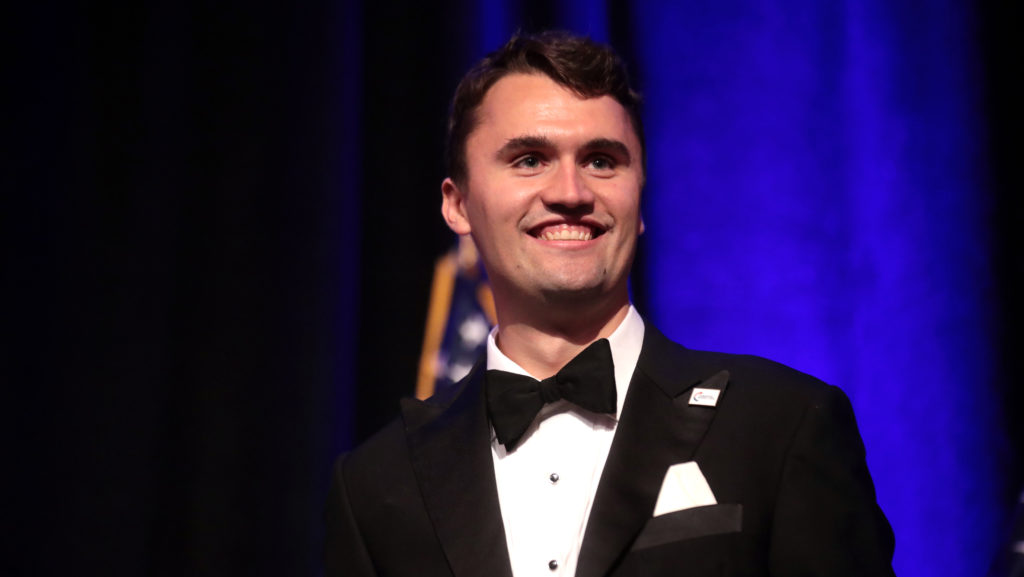
Carl Jung would have said: people don't have ideas, ideas possess them. The assassin who killed Charlie Kirk on an American campus last month, because he didn't share the same ideas, confirmed that the West's problem is spiritual.
Economics is a language of models and equations. Yet its foundations are philosophical. Giving heterodox currents back their rightful place means restoring the vitality and pluralism of this discipline - and thus its link with liberalism.
Surveys are unanimous: the level of basic knowledge among students in Switzerland is plummeting. The PLR, now in charge of the education departments in several French-speaking cantons after a long period of power from the left, is expected to take a stand.













 French
  German
  English