American tariffs symbolize the resurgence of mercantilism. Imperial withdrawal, scarcity of resources, militarized trade: with the end of free trade, the global economy is reverting to its old reflexes. A zero-sum game in which all lose, except those who dictate the rules.
Economics is a language of models and equations. Yet its foundations are philosophical. Giving heterodox currents back their rightful place means restoring the vitality and pluralism of this discipline - and thus its link with liberalism.
French essayist Mathilde Berger-Perrin, author of «Ayn Rand, l'égoïsme comme héroïsme», believes that the market economy is women's best friend. She urges them to expect less from the state.
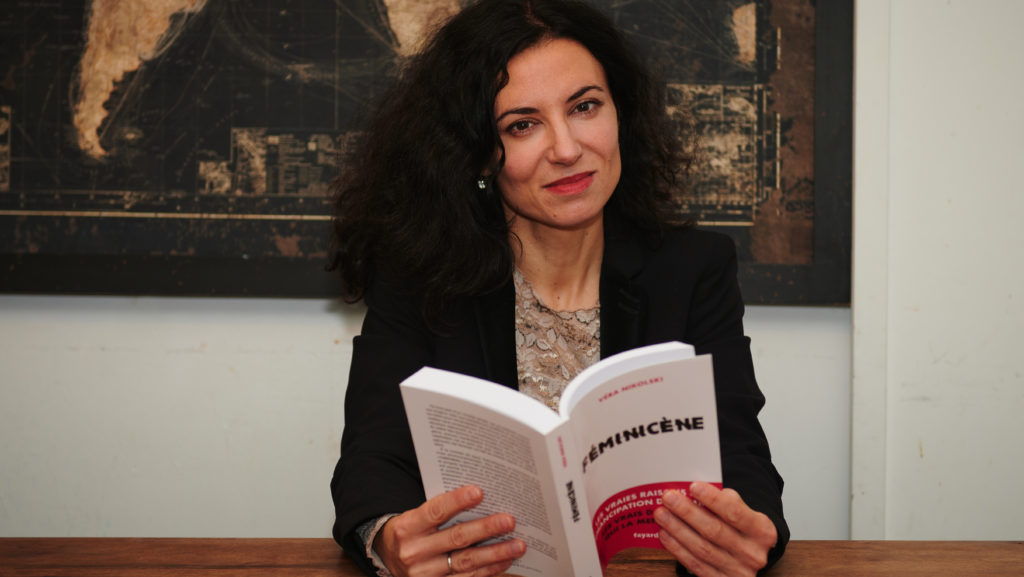
Avec son essai «Féminicène», Véra Nikolski apporte un vent de fraîcheur sur un sujet miné par les oppositions idéologiques. L’ouvrage s’intéresse à la cause profonde qui explique l’évolution favorable de la condition des femmes: la révolution industrielle.
The continent enjoyed free trade and decentralized institutions for centuries before the arrival of the colonizers. Today, Africa's revitalization is in the hands of its citizens.
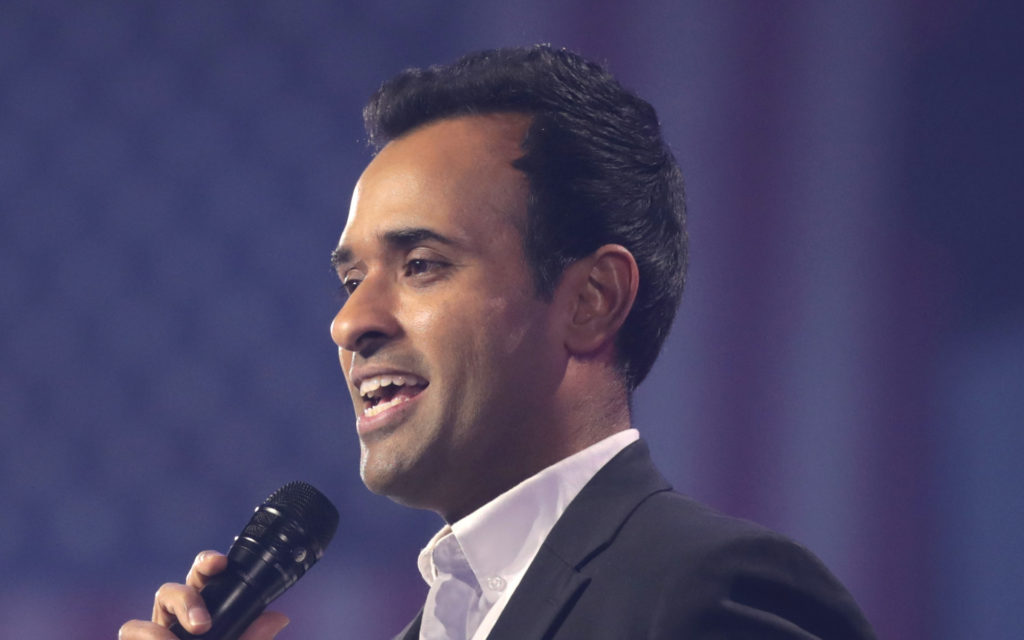
Vivek Ramaswamy is one of the best-known opponents of the new corporate moralism. The entrepreneur and candidate in the 2024 US election explains the economic reasons for the triumph of identity politics in the US.
DOSSIER «LE GRAND RETOUR DU NUCLEAIRE», Jonas Follonier | Libéral classique? Libertarien? Il est en tout cas de ceux que la presse qualifie volontiers de «néo-libéraux» ou «ultra-libéraux» – des étiquettes pas forcément sympathiques. Mais les étiquettes et leur caractère sympathique (ou non) ne nous intéressent guère au Regard Libre. Voilà un analyste politique et économique qui compte, fréquemment invité dans les médias français (et pas seulement L’Opinion ou Le Figaro) et dont l’essai paru en 2021, Les écologistes contre la modernité, est passionnant. On pourra se trouver en désaccord profond avec une partie de ses opinions, voire leur totalité. Pour autant, une confrontation à sa hauteur de vue ne peut être que stimulante. De cet ouvrage offrant une critique en règle des fondements anti-capitalistes de l’écologie radicale, nous retiendrons notamment le plaidoyer enflammé et argumenté de l’auteur en faveur de la société industrielle et de l’énergie nucléaire.
Each month, we feature a column by one of the personalities who give us the pleasure of alternating between the two. In his column, writer Quentin Mouron explores a topical issue with his usual sharpness.
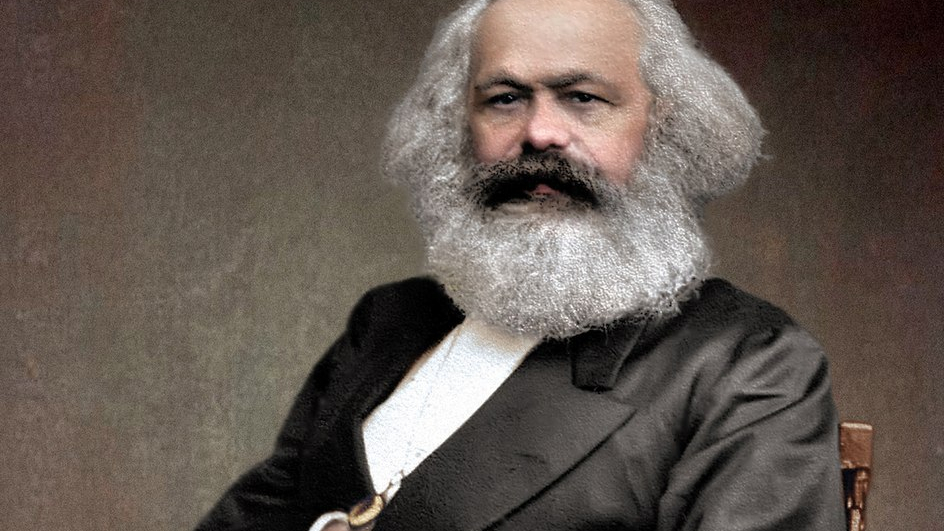
ANALYSIS, Olivier Meuwly | «It could be argued that the capacity of capitalist regimes to reform is partly due to Marx himself», asks Raymond Aron in his famous lecture on Marxism by Marx, delivered at the Sorbonne in the early 1960s, then at the Collège de France a decade later, and published in 2002 by Jean-Claude Casanova (Editions de Fallois). Is Aron indulging in his customary irony? Or are we to wonder whether, behind the provocative aphorism, lies not only the profound admiration that the great French liberal has always shown for the founding father of «scientific socialism», but also a warning to those who profess to analyze... or practice this same capitalism?












 French
  German
  English