Decolonial thought has had a profound impact on the intellectual history of the 20th century. According to Senegalese journalist and writer Elgas, today it has taken an inquisitorial and rancorous turn.
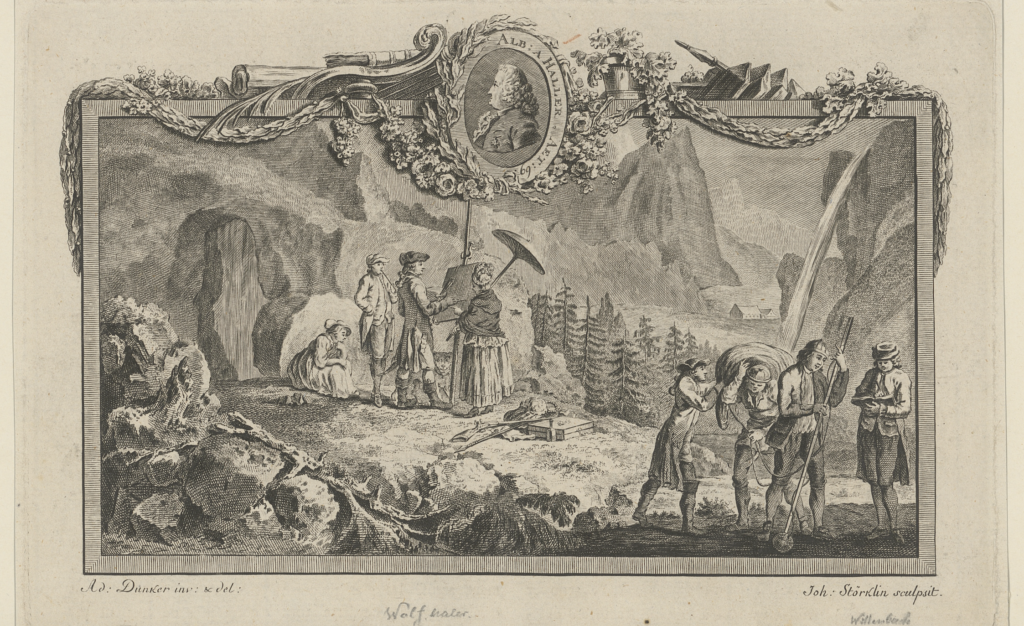
In the 18th century, the Alps ceased to be a mere obstacle or backdrop to become a veritable European myth. According to Professor Claude Reichler, literature provided the basis for this rediscovery, in which the mountains became a refuge from modern upheavals.
THE AMERICAN DREAM IN THE AFTERMATH OF THE PRESIDENTIAL ELECTION (4/4). Increasing polarization, defeat of the polls and the Democrats... This series of articles aims to present some lessons to be learned from Donald Trump's new election as head of the United States.
The West is not alone in having practiced slavery: the whole planet has done so. Europe and the United States, however, are the only countries to have fully recognized it. Here are seven facts about slavery that are generally overlooked in the media and textbooks.
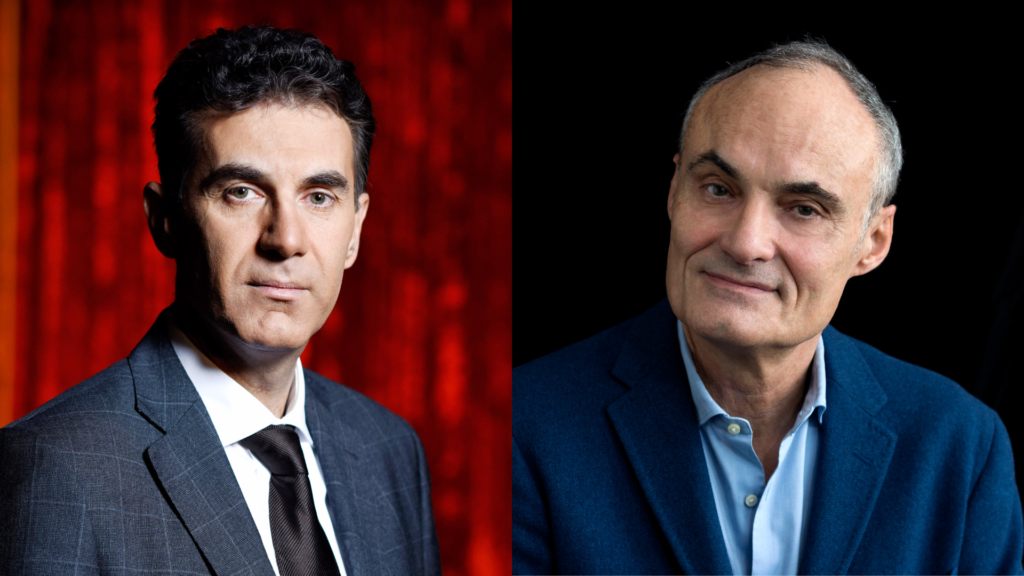
For our special report on communities, particularly national ones, French essayists Alexandre del Valle, geopolitologist, and Philippe Val, editorialist, cross swords on the idea of European sovereignty as promoted by Emmanuel Macron.
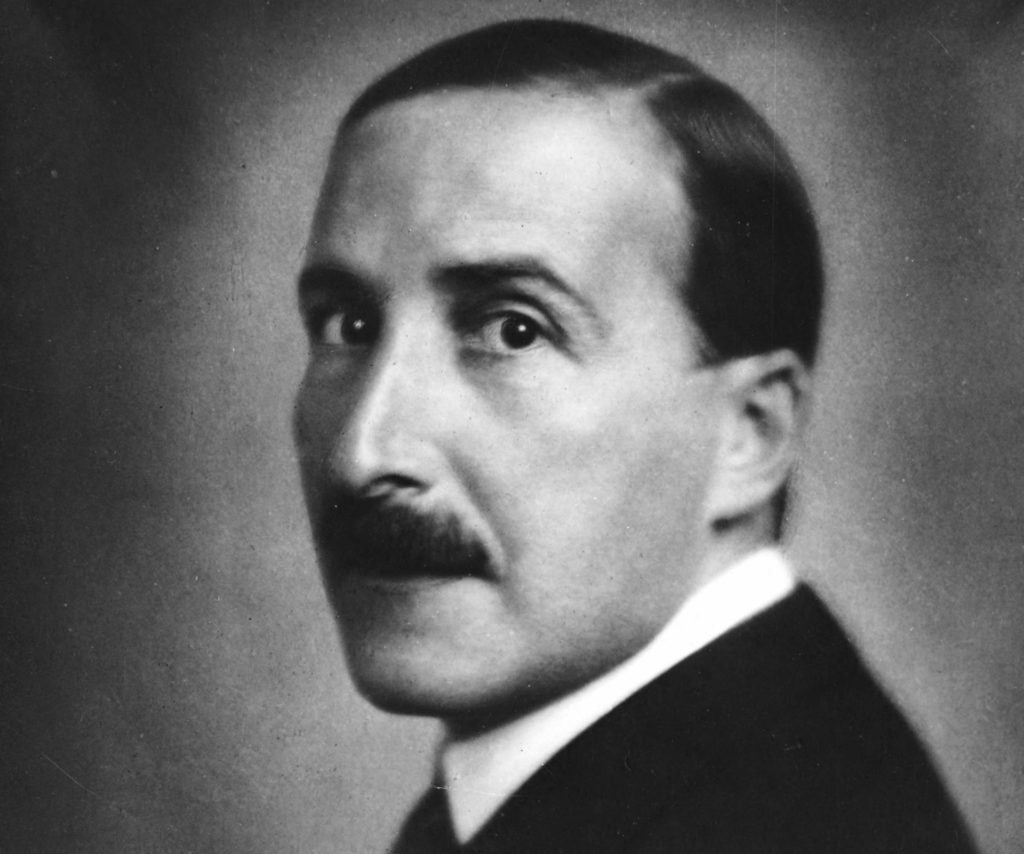
Horrified by the follies of the 20th century and a prisoner of his melancholic nature, Stefan Zweig was subject to intense inner struggles, which haunted his life and sublimated his work.
At the dawn of the 20th century, faced with the spectre of the return of war, Stefan Zweig threw all his energies into a losing battle: trying to restore Europe's sense of unity.
Founder of the journal Commentaire, notably with Raymond Aron, Pierre Manent was for many years director of studies at EHESS. Now retired, the philosopher continues his rich intellectual work. We meet to discuss his latest essay, «Pascal et la proposition chrétienne».
Federalists and anti-federalists clashed violently during the renewal of the American constitution in the second half of the 18th century. Like no other in history, this divide sheds light on the debate between the center and the periphery. It's hard not to see it as a reflection of contemporary issues.







 French
  German
  English