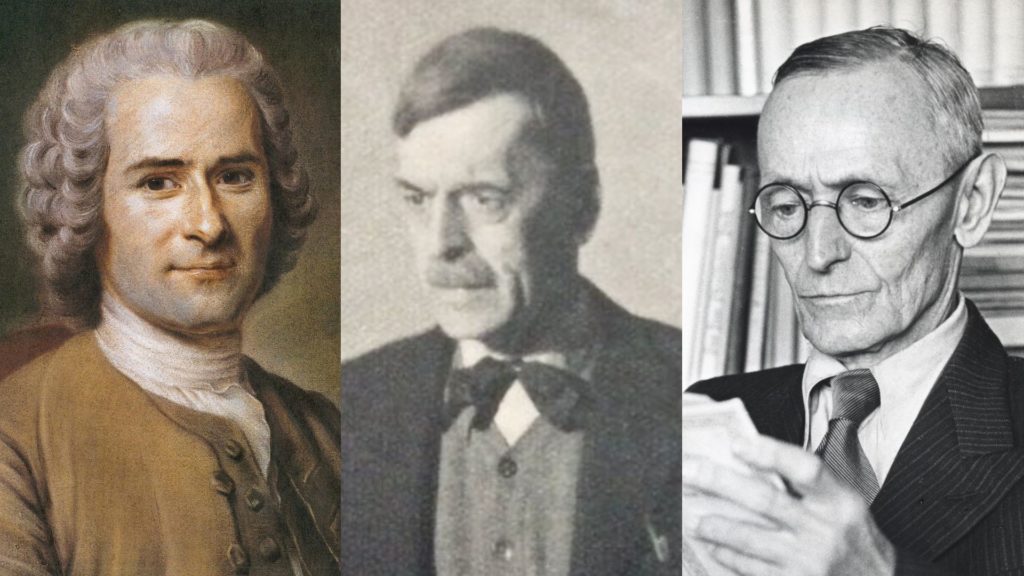
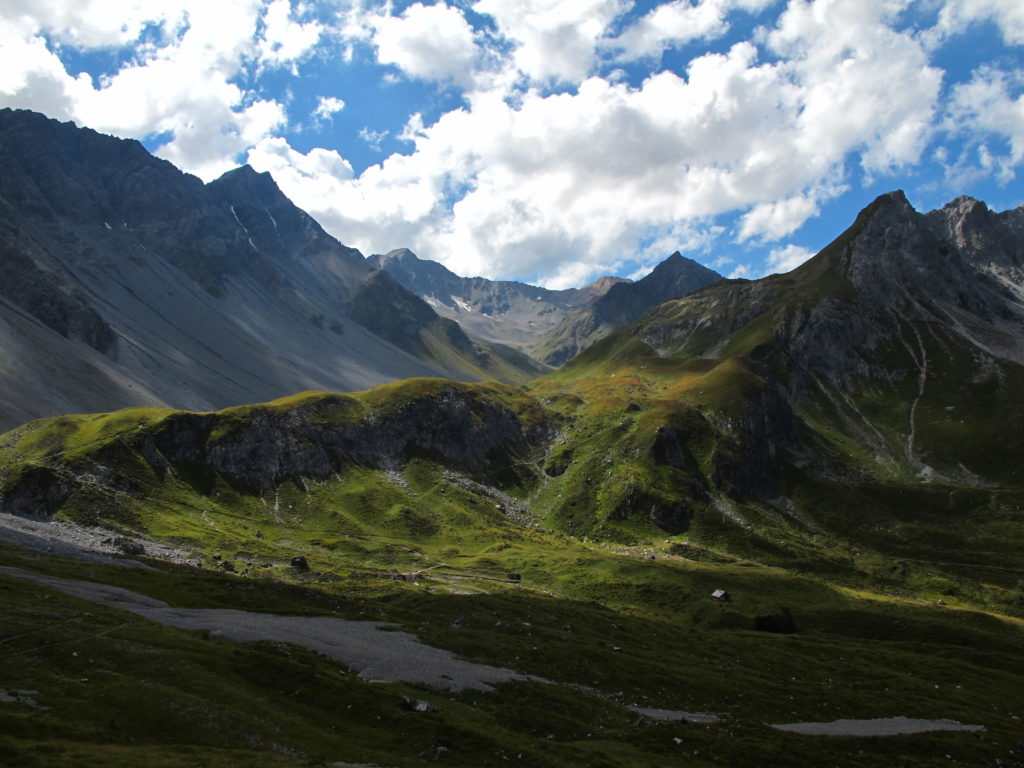
Ramuz, Rousseau and Hesse all share an interest in how the individual tries to live in a society where he sometimes feels like an outsider. An attempt to heroize these three great Swiss authors, who see nature as a source of authenticity.
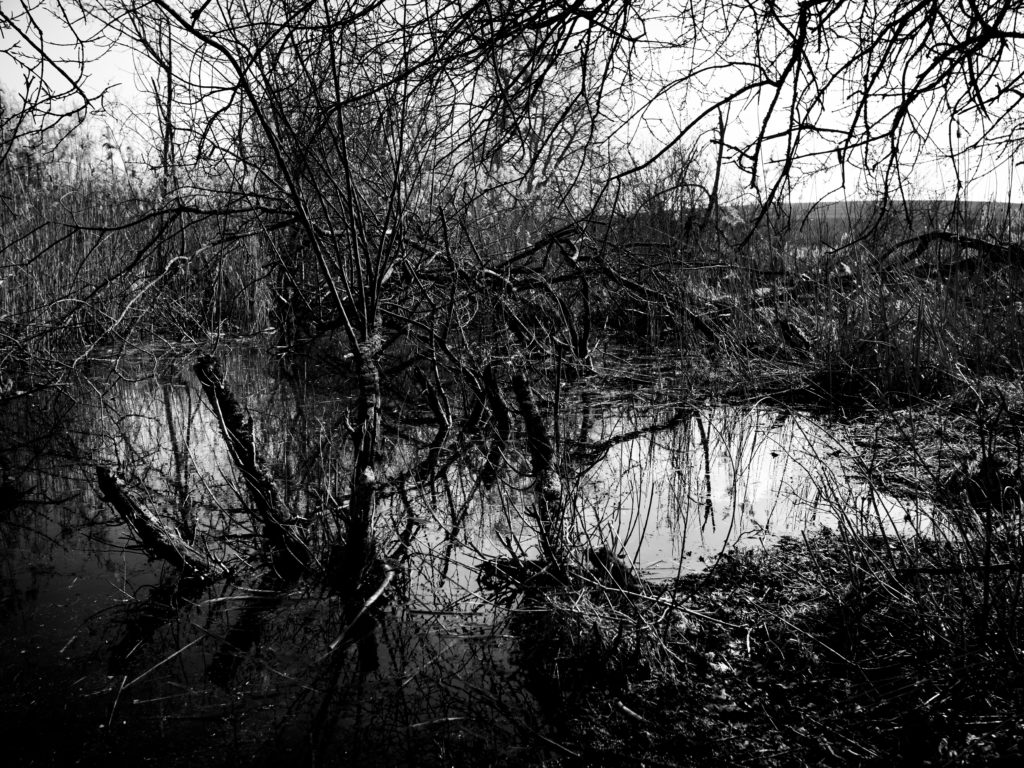
Theodor Wildt is a skilled excursionist, a studious prose writer and a brilliant camera operator, sharing textual and pictorial fragments of his work with Regard Libre readers.
With the progress of science, particularly neuroscience, the possibility of free will is increasingly called into question. Every day, we discover new determinisms, i.e. conditionings to act in a certain way in a given context. Man's capacity for self-determination, which we hold so dear, may appear to be nothing more than an illusion. But before modern science got to grips with it, the question of free will already had a long history. Let's go back to the origins of a founding idea in the history of the West.
LONG FORMAT ARTICLE, Eugène Praz | In his essay Action et réaction. Vie et aventures d'un couple (1999), originally composed but of firm intellectual rigor, Swiss literary critic Jean Starobinski revisited the concepts of action and reaction, and showed how they have served in the history of ideas, whether scientific, medical, psychological, literary, philosophical or political. The final chapter was devoted to their political aspect. It's worth coming back to it today, because in addition to serving as an illustration for Alain Badiou's Abrégé de métapolitique, published a year before Starobinski's essay, it demonstrates the easy handling, especially in politics, of the terms action, or progress, and reaction, and that nothing is more misleading than words of such generality. What's more, they encourage a tendency to split any political subject in two, always with a few nuances.
Les paléontologues étudient les restes d'être vivants et leur évolution historique. Pourquoi ne pas faire de même avec le Paléo Festival? Il y en a, des restes d'êtres humains, dans cette boue. C'est un terreau plutôt fertile pour se lancer dans une petite analyse sociologique. Place à la paléologie.
Les mercredis du cinéma – Jonas Follonier C’est un film qui ne ressemble à aucun autre. Réalisé par la Suissesse Bettina...
Le Regard Libre N° 41 – Alexandre Wälti Que faire le weekend prochain? Vous connaissez sans doute la question. Parfois, un...
Le Regard Libre N° 40 – Loris S. Musumeci De L’Avare de Molière au film Radin ! de Danny Boon, l’avarice est...








 French
  German
  English