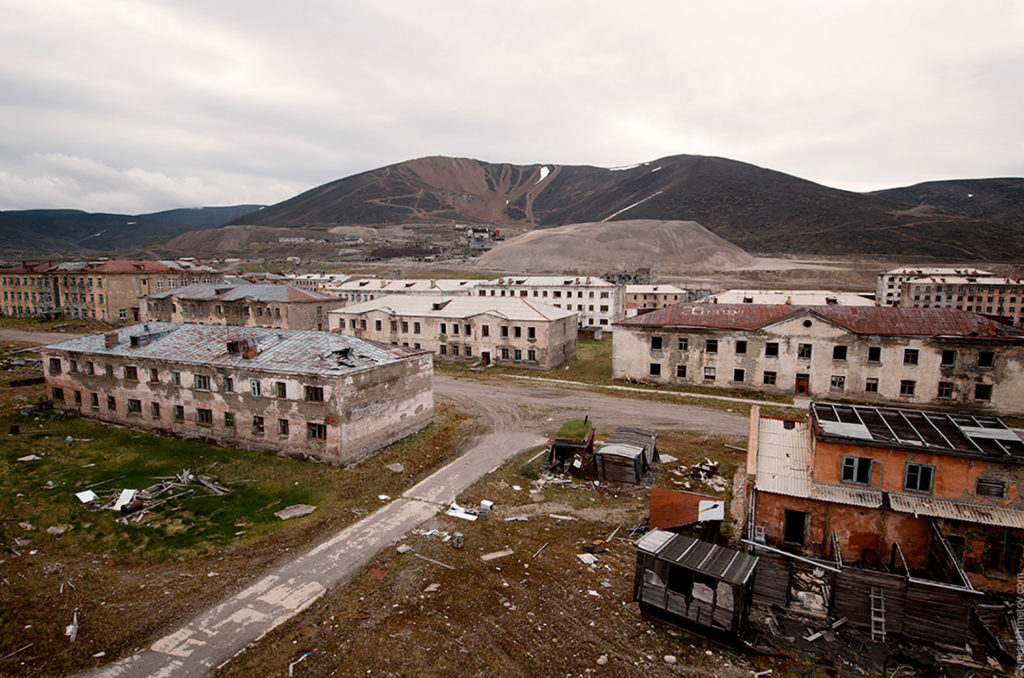
Joseph's convalescence was drawing to a close. Deep in bed, he heard a familiar voice, not that of the previous maid, Agathe. It's her, it's Leila, his childhood sweetheart. Their reunion marks the beginning of a period of peace and reconciliation. Joseph now takes part in village life, working, eating and laughing with those who have perhaps become his own.
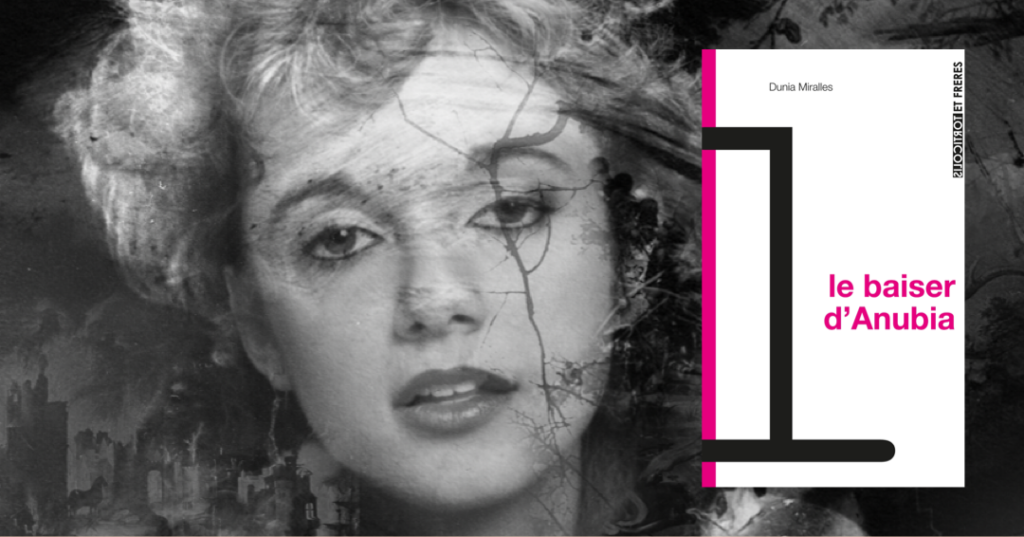
With her poetic, impulsive and prevertiginous writing, Dunia Miralles signs «Le baiser d'Anubia» (Anubia's Kiss), an intimate book about personality disorders, transforming her individual story into a universal one.
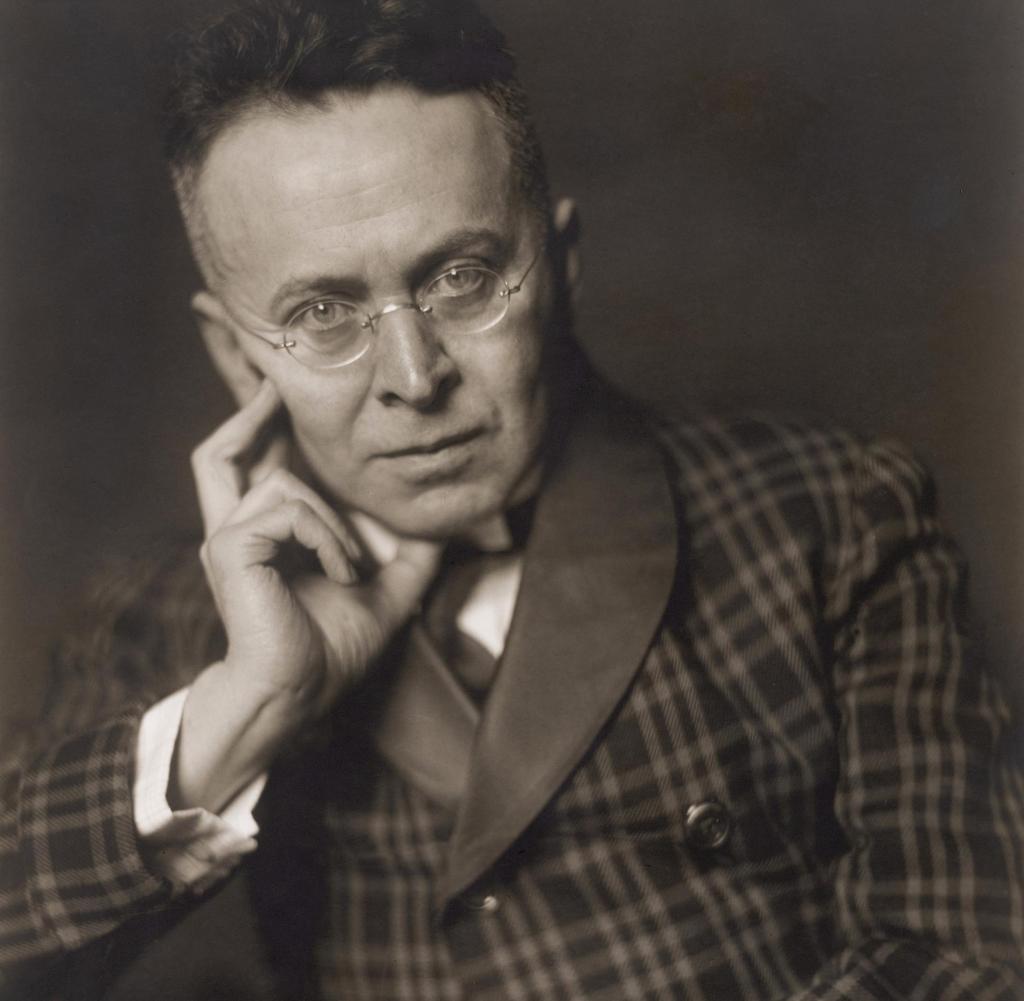
It wasn’t until 2005 that Karl Kraus’s two major works were translated into French. It is true that a number of scholars had made it their mission to confine him to the restricted circle of academic conferences, while at the same time not hesitating to criticize him, time and again, for his alleged anti-Semitism and his defense of Dollfuss, all in an effort to make him socially unacceptable, and thus unreadable.
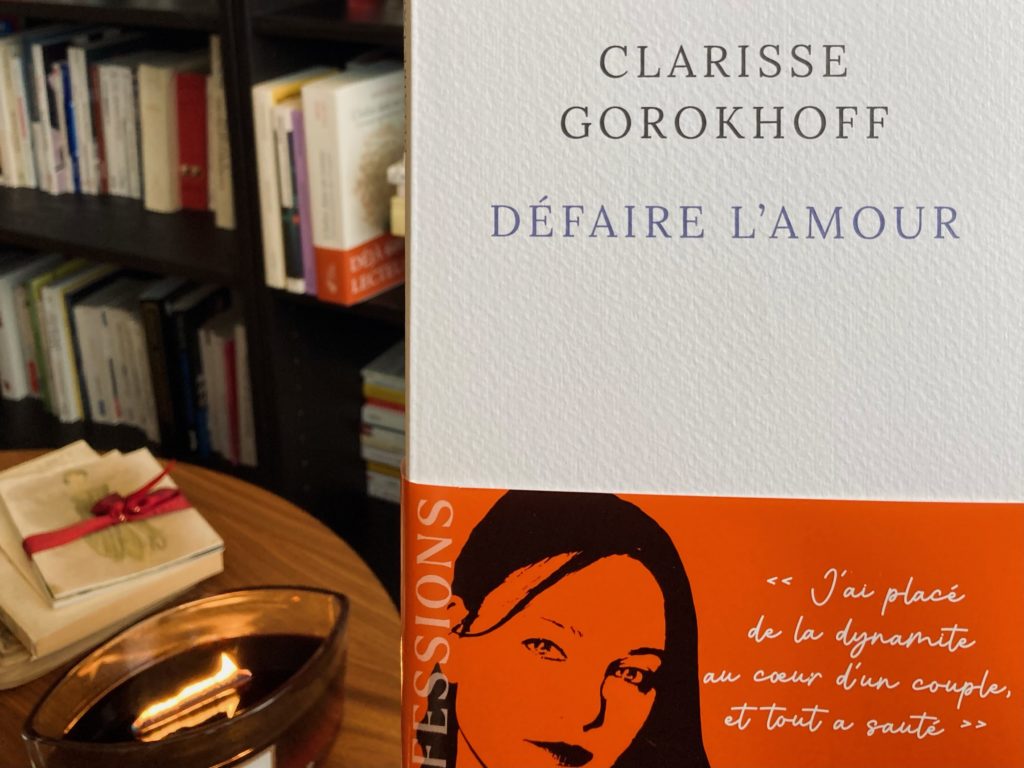
Après trois romans, Clarisse Gorokhoff a changé de genre en même temps qu’une nouvelle fois d’éditeur. Malgré la mention «roman» sur ce dernier opus, «Défaire l’amour» s’apparente plus à cette forme en vogue: une narrative non-fiction. Pour quelle réussite?
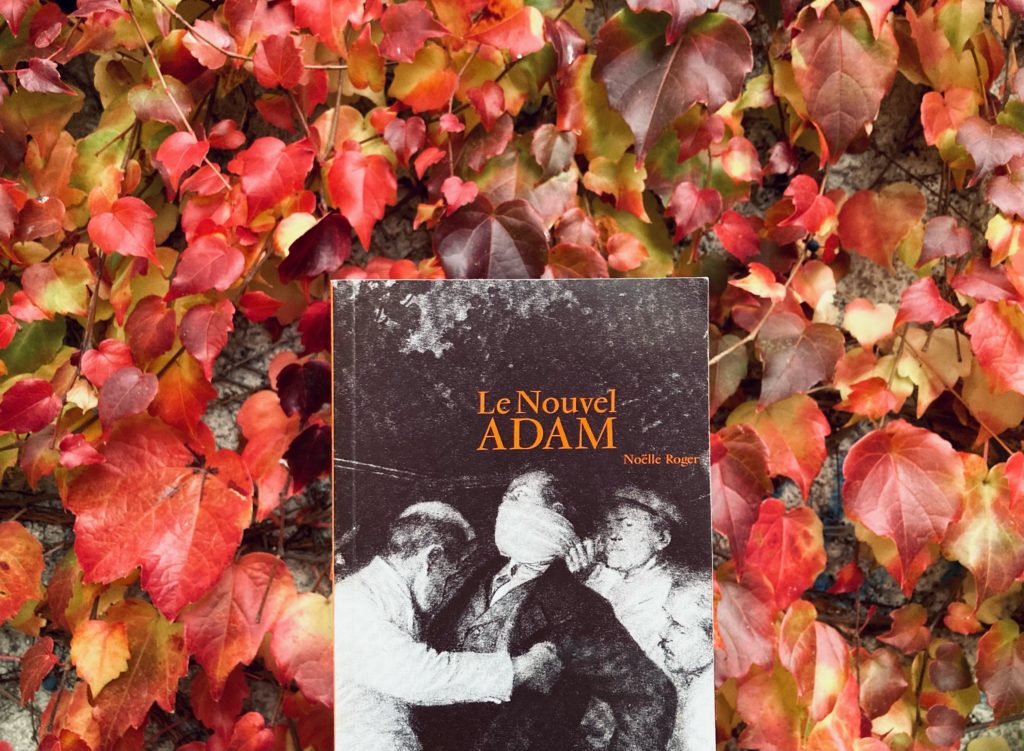
Written in 1924, «Le Nouvel Adam» by Geneva novelist and journalist Noëlle Roger has just been republished this year by Editions de La Baconnière. And with the return of the fog, it's the perfect seasonal read. Here's a quick overview.
Considered the greatest filmmaker of his generation, Pasolini was also a poet and left-wing activist. According to specialists, his posthumous book, Pétrole, is one of the best novels of the 20th century. So, is this novel a niche book or a masterpiece?
Hiking in the mountains means forgetting «your regrets, your plans, your ambitions». Sylvain Tesson crossed the Alps on skis, dedicating his latest book, «Blanc». The story of a balancing act between physical effort and inner remission. We met him in Arolla (VS), during the first snows.
This book should have been called «The Poetess», not «Miss Iceland». But that's the heart of the matter. In this Iceland of the sixties, the heroine wants to become a writer. And yet, her being is systematically reduced to her body. A gently combative novel.
In this second episode devoted to Karl Kraus, we will examine three of his activities: his magazine *Die Fackel*, his public readings and lectures, and his aphorisms, which for a long time were the only texts accessible to French-speaking audiences. So much so that his reputation as an aphorist continues to overshadow the rest of his work.






 French
  German
  English