The role of the automobile is the subject of major debate in many cities. Between the challenges of mobility, the environment and quality of life, a number of avenues are emerging for rethinking urban spaces. Interview with urban planner Carlos Moreno.
Although the Swiss e-ID solution approved by the electorate on Sunday is not very centralized and guarantees privacy, it does entail a risk that should be prevented, for example by means of another vote.
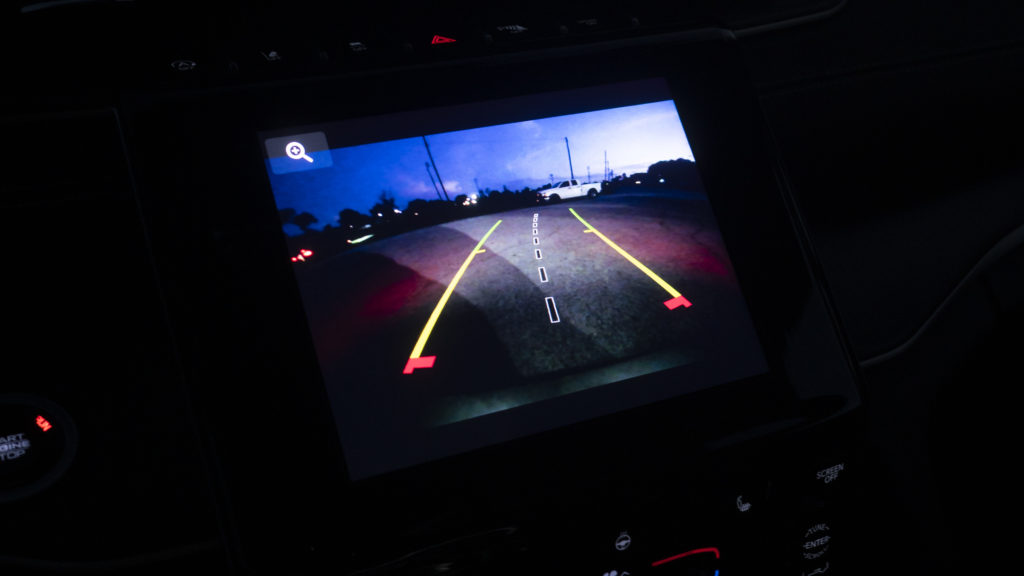
In this article, freelance motoring journalist Gil Egger denounces the political obstacles to what he sees as an «instrument of our progress».
The Iran-Israel crisis has revived an old Western temptation: regime change. The illusion of immediate political transformation, however, runs up against the fact that regimes come and go, while peoples, their history and culture remain.
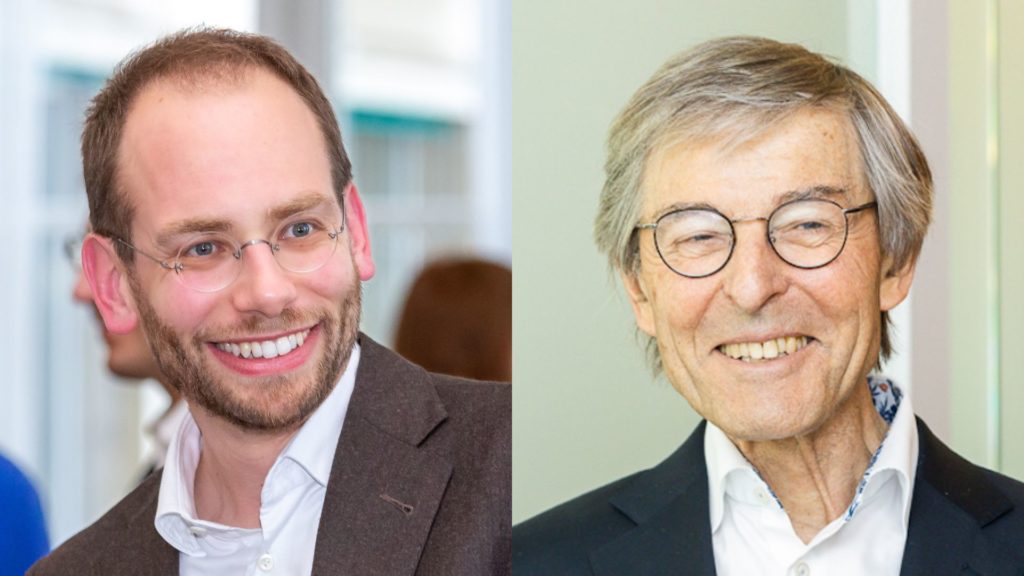
The debate is both legal and political: does approval of the new Swiss-EU agreement package require a simple popular majority, or a double majority of the people and the cantons? Two legal experts compare their arguments.
According to David Betz, professor at King's College, the West has crossed a critical threshold: the weakening of political legitimacy, the fragmentation of identities and the loss of social cohesion are all factors in future violent insurrections.
While governments dream of digital currencies, Switzerland can shine in other ways. Stablecoins issued by private players offer more freedom and decentralization than an e-franc driven by the National Bank.
Social networks play an important role in the lives of teenagers. Faced with the risks of addiction and exposure to extreme content, the question of an age limit for accessing platforms is becoming increasingly important.
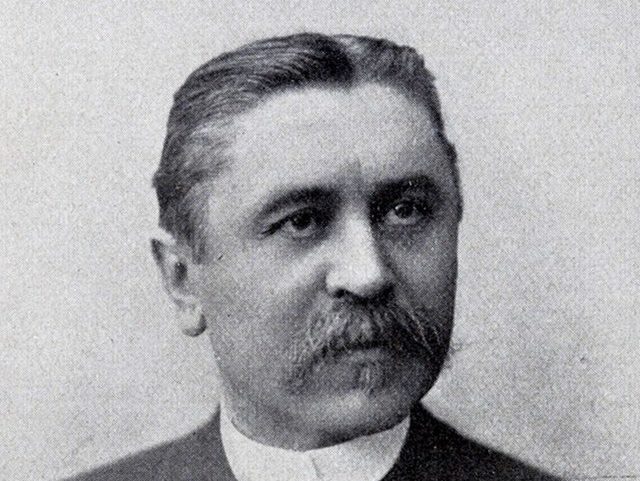
A recent book by historian Olivier Meuwly invites us to take a closer look at this Neuchâtel native, who was elected to the Swiss government at the age of 31. An inspiring figure in his own right, this radical who became a liberal-conservative over time retains an air of mystery about him.










 French
 German
 English