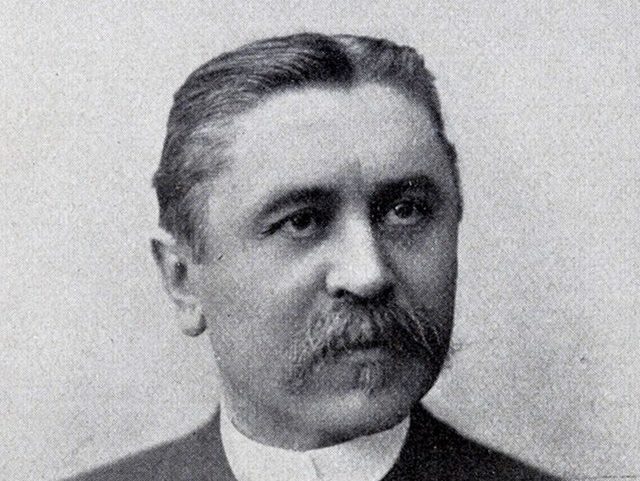
A recent book by historian Olivier Meuwly invites us to take a closer look at this Neuchâtel native, who was elected to the Swiss government at the age of 31. An inspiring figure in his own right, this radical who became a liberal-conservative over time retains an air of mystery about him.
Under the guise of inclusion and social justice, universities too often sacrifice scientific rigor to ideology. According to historian Olivier Moos, this drift compromises its primary mission: to shed light on reality rather than to serve causes.
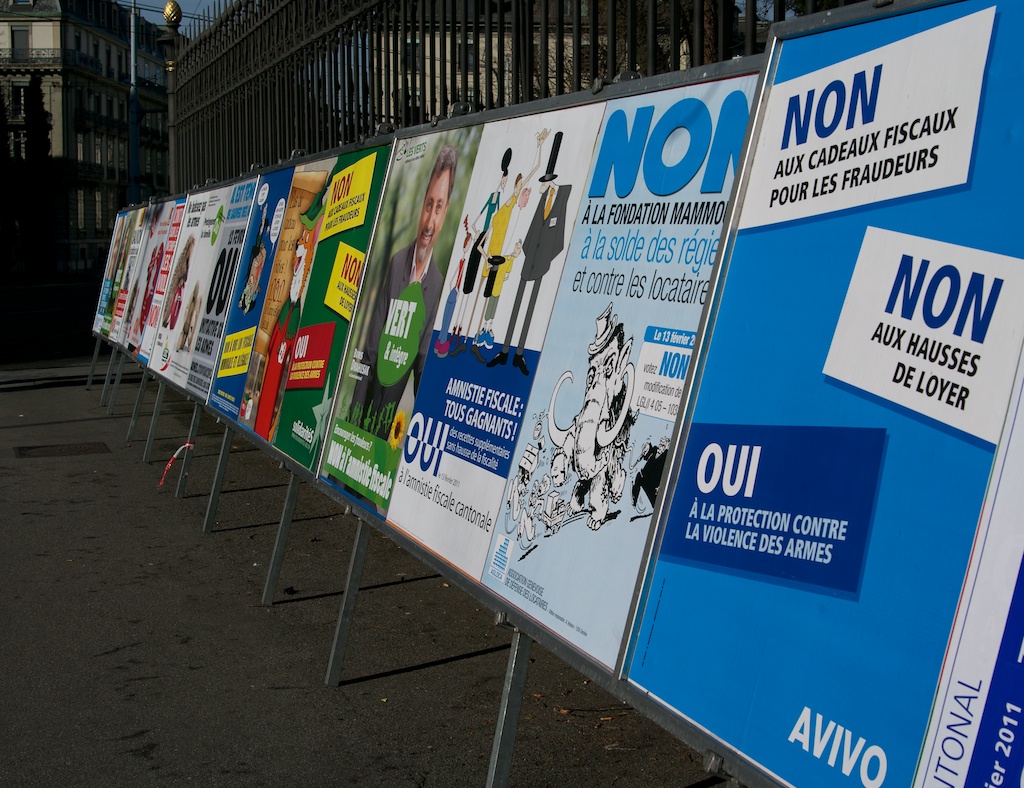
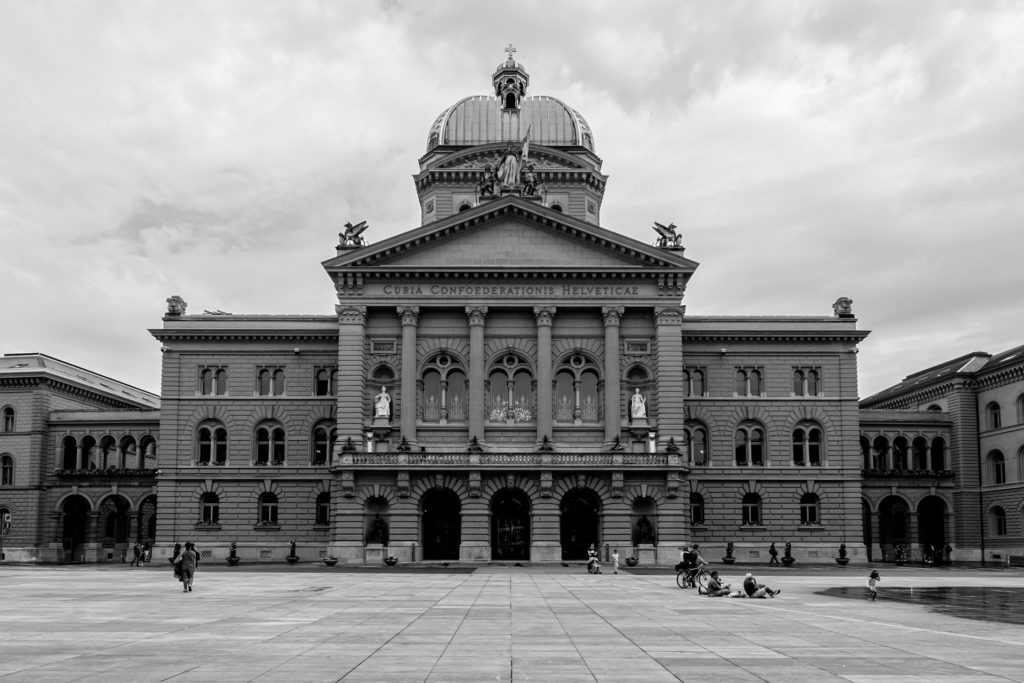
The debate over the number of signatures required to put a popular initiative to the Swiss vote raises an essential question: should the number be revised... or should signatories be asked to make more of an effort?
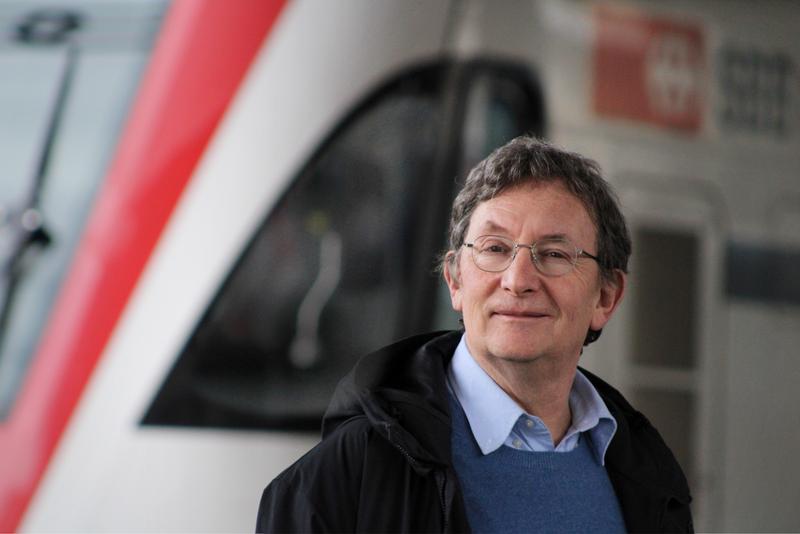
Every day, an average of ten verbal or physical assaults are directed at SBB staff - more than before the pandemic. To counter this phenomenon, the public transport company is focusing on raising awareness and reinforcing security measures.
In the spotlight for flying to the Arabian Peninsula, the green politician paid a heartfelt tribute to the thinking of American historian Christopher Lasch, author of «The Revolt of the Elites» (1994).
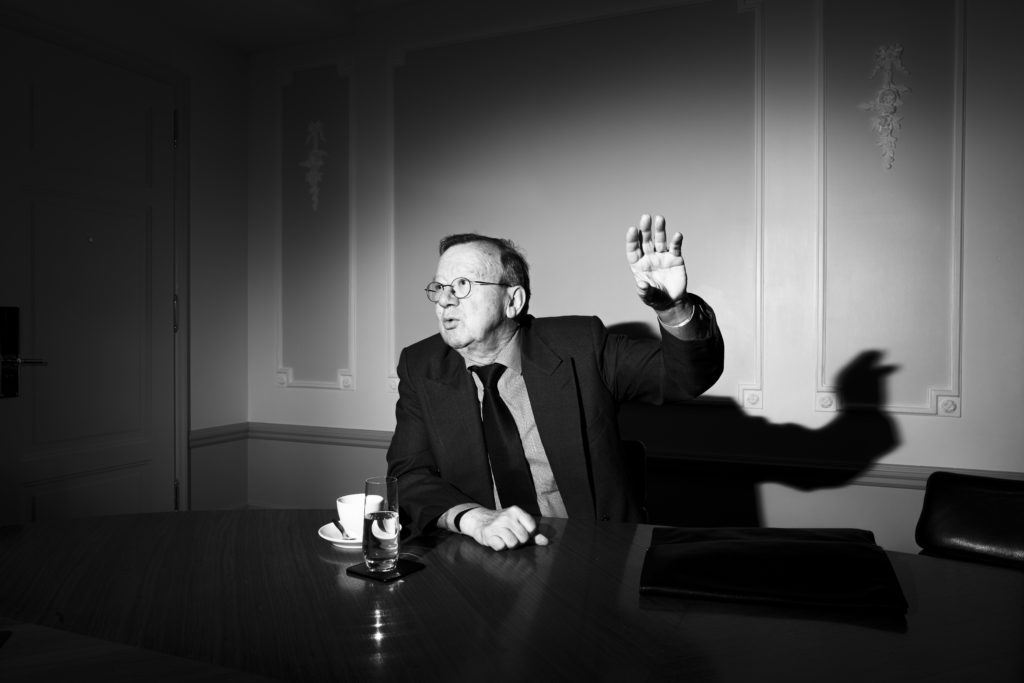
With its hostile territory, Switzerland had to find another recipe for success. So it developed a counter-model. In his essay L'identité suisse au défi, former diplomat Paul Widmer looks at the ingredients of Swiss success, the better to perpetuate it.
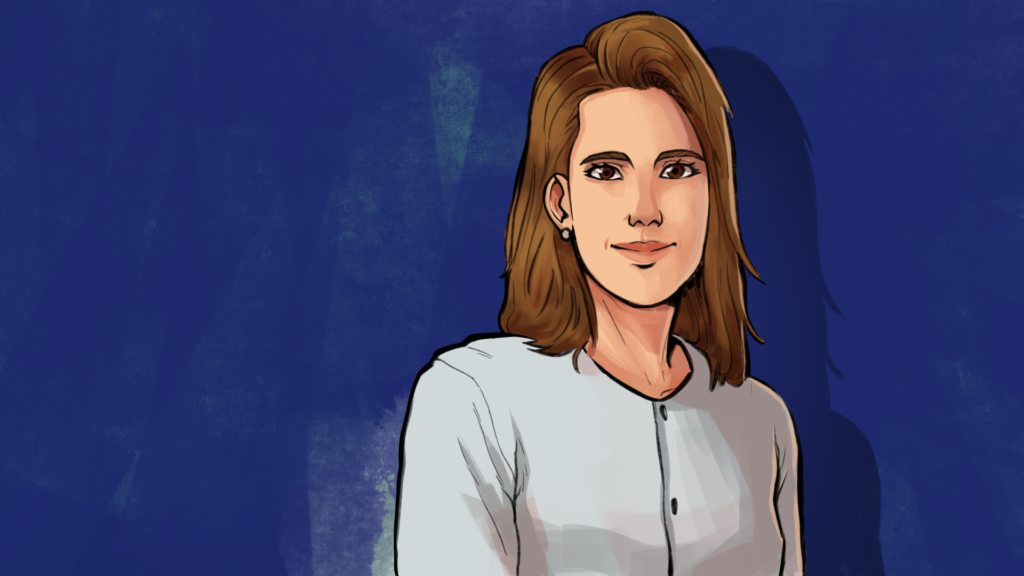
In this brand-new column, journalist Marianne Grosjean sends a monthly message to our readers.
Major entrepreneurs played a direct role in building the federal state born in 1848. These economic figures subsequently became rarer, often giving way to the leaders of employers' associations. An evolution that has left its mark.
Alors que l’Union européenne traverse une période de doutes, ses relations avec la Suisse, longtemps enlisées, font l’objet d’un débat avec l’annonce en décembre de l’aboutissement de négociations. Entretien avec René Schwok, expert en questions européennes.







 French
  German
  English