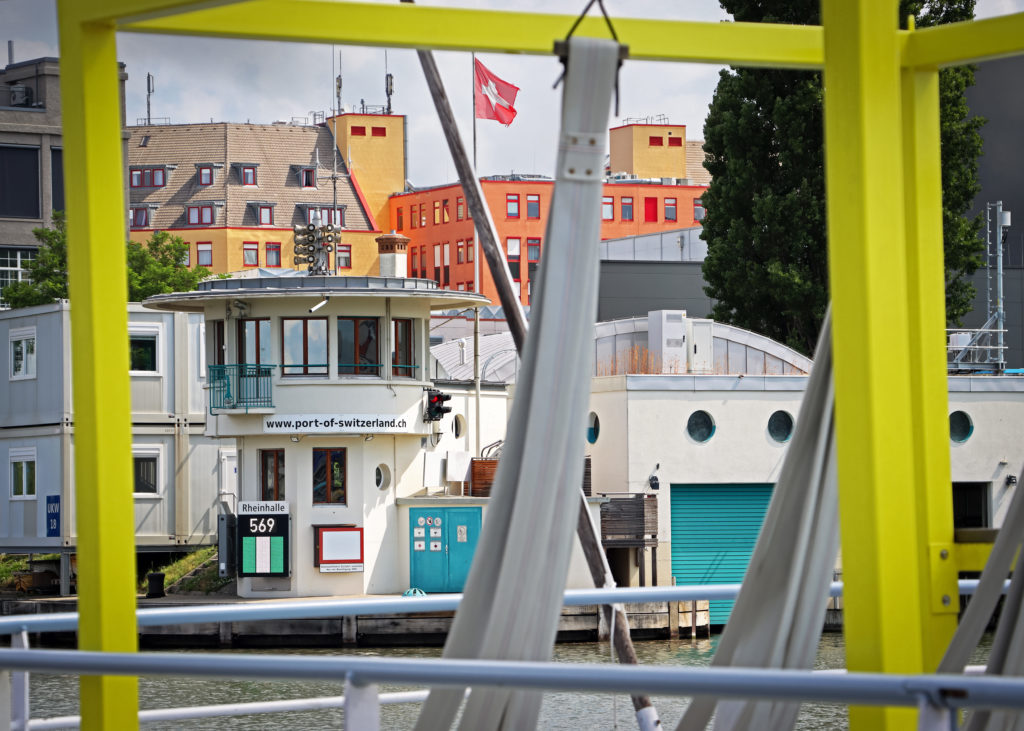
Basel's «Dreiländereck» is an astonishing place. While the eye takes in the Rhine banks of Switzerland, France and Germany, and tourists immortalize themselves in the shadow of an unlikely spire, the docks give the city a maritime feel.
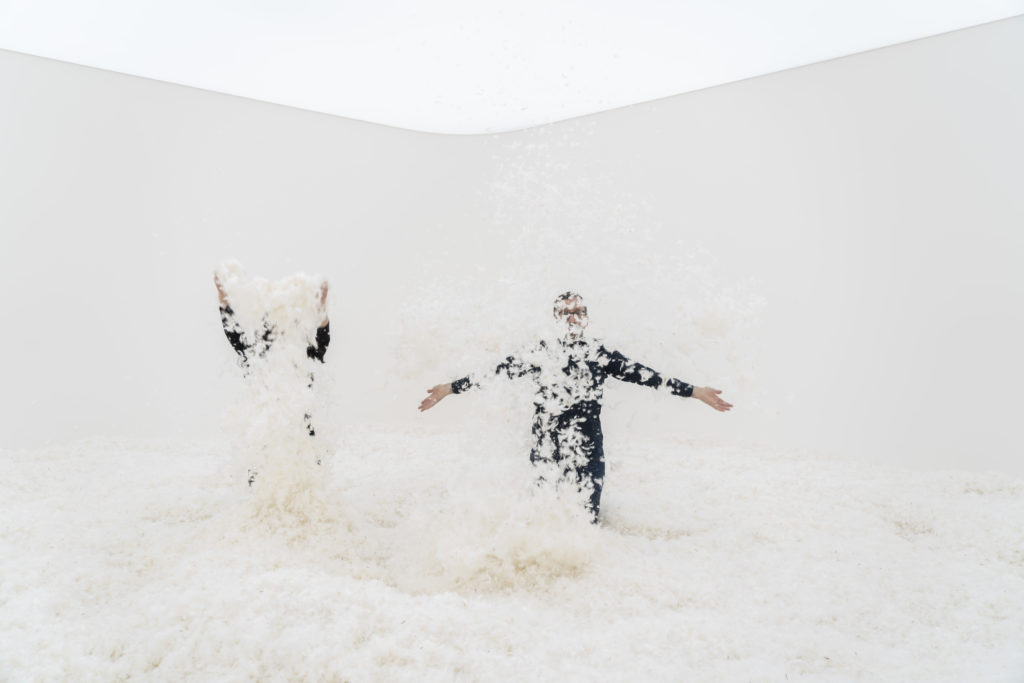
Since the end of 2023, the Musée cantonal des Beaux-Arts de Lausanne has been presenting its latest exhibition devoted to the beginnings of immersive art. On two floors, the viewer wanders at will through the dozen or so installations, bewildered.
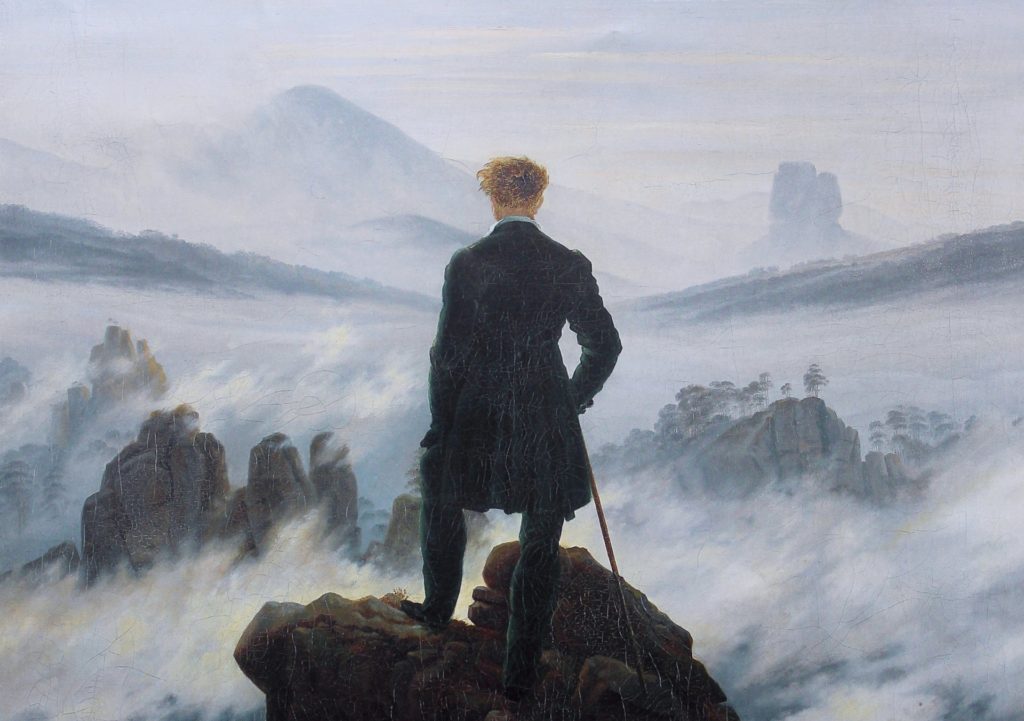
Caspar David Friedrich, whose memory is being celebrated this year, elevated nature, that great Whole of which humans are only a part, to the status of counterweight to triumphant rationalism. He reveals himself as a thinker of this founding antagonism of our modernity.
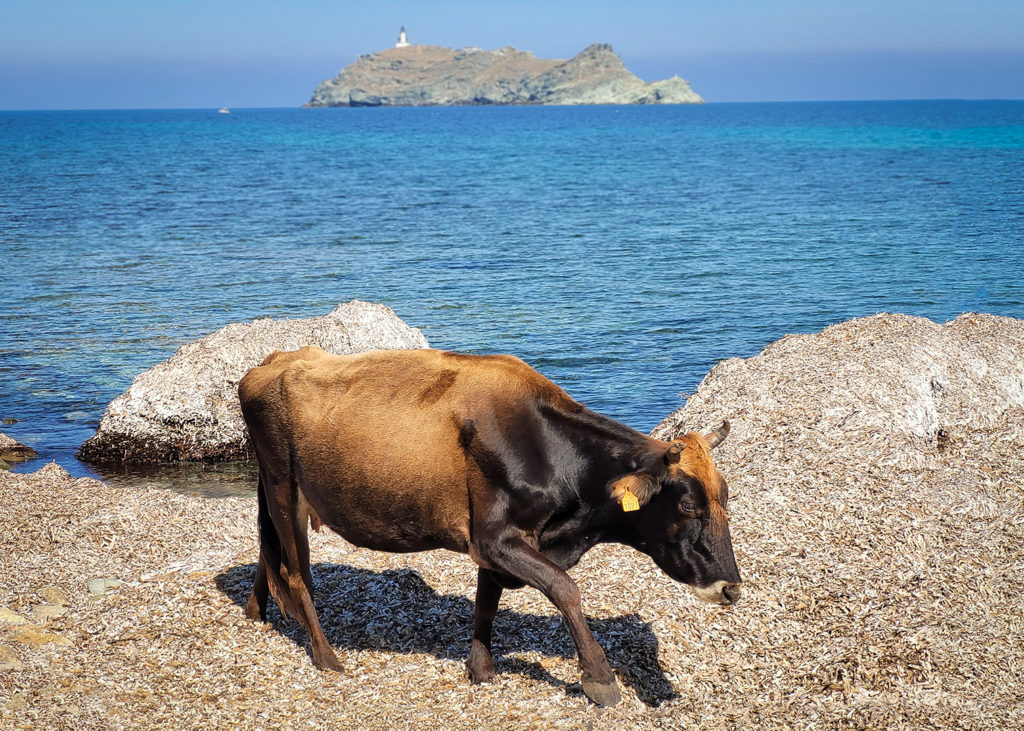
Could we imagine a «Regard Libre» focused on the rural world without featuring the ultimate Swiss icon? But Switzerland doesn’t have a monopoly on cattle. You don’t even have to go as far as India—just think of the United States! And even… Corsica, where they’re actually quite rare.
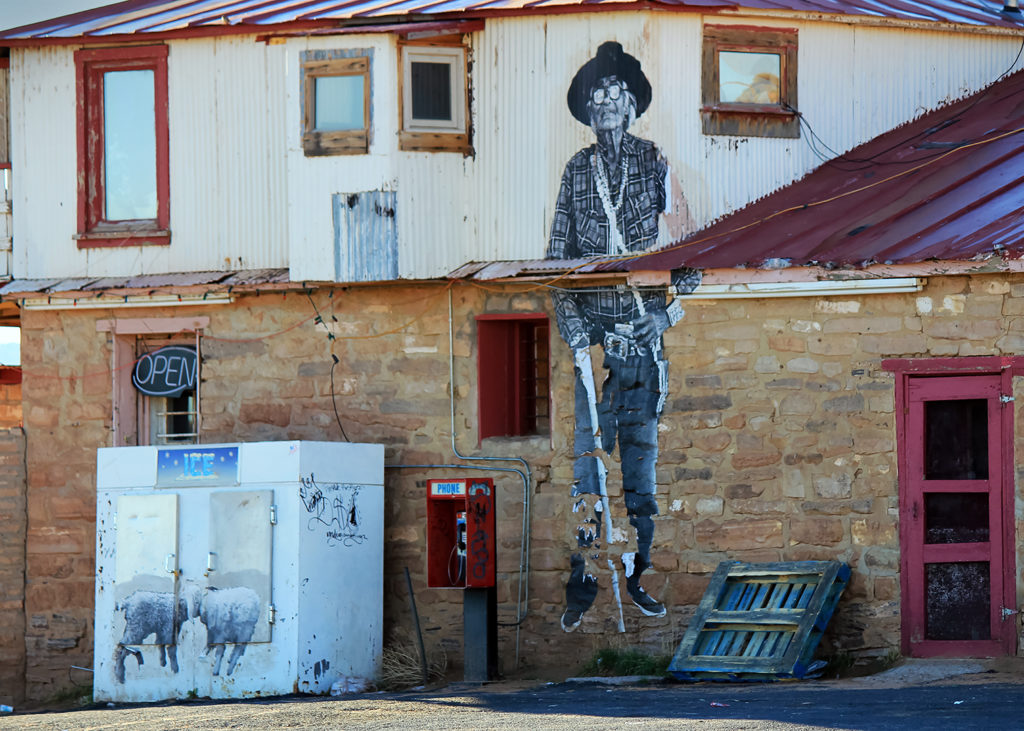
Beyond the famous sites of Monument Valley and Antelope Canyon, journey to the heart of «Navajoland», through hills and red rocks, passing through the sacred site of the Navajo capital, Window Rock, on the border of Arizona and New Mexico.
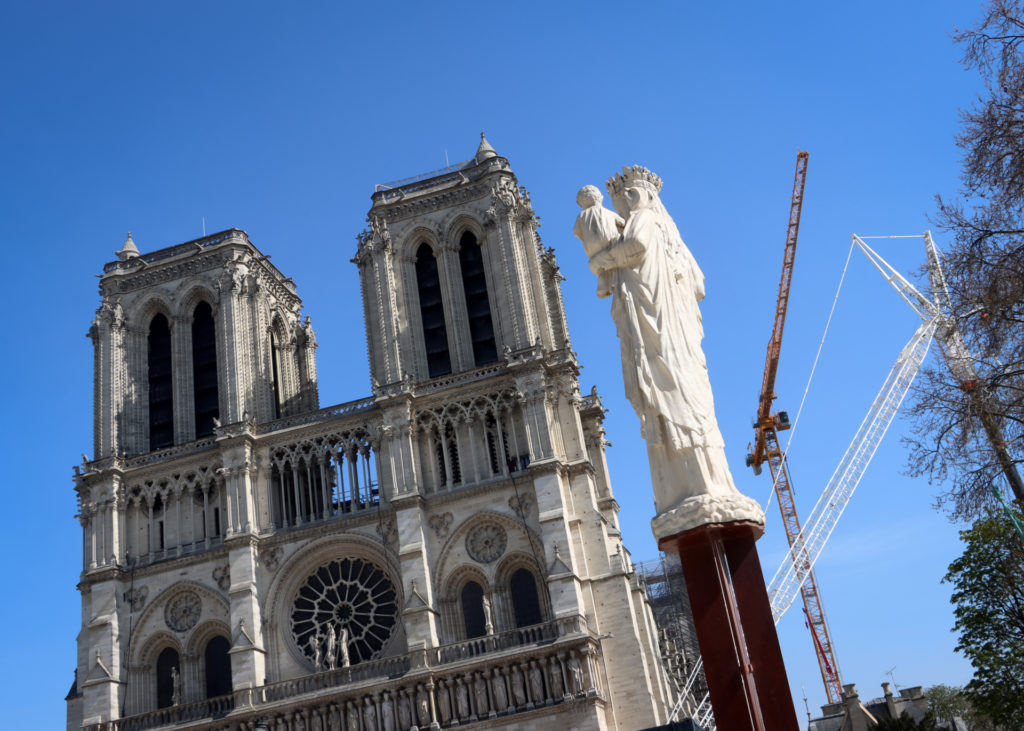
Beyond the spire currently being rebuilt, the construction site at Notre-Dame de Paris allows for strange angles and paradoxical perspectives, where Gothic stone and machine metal merge almost artistically.
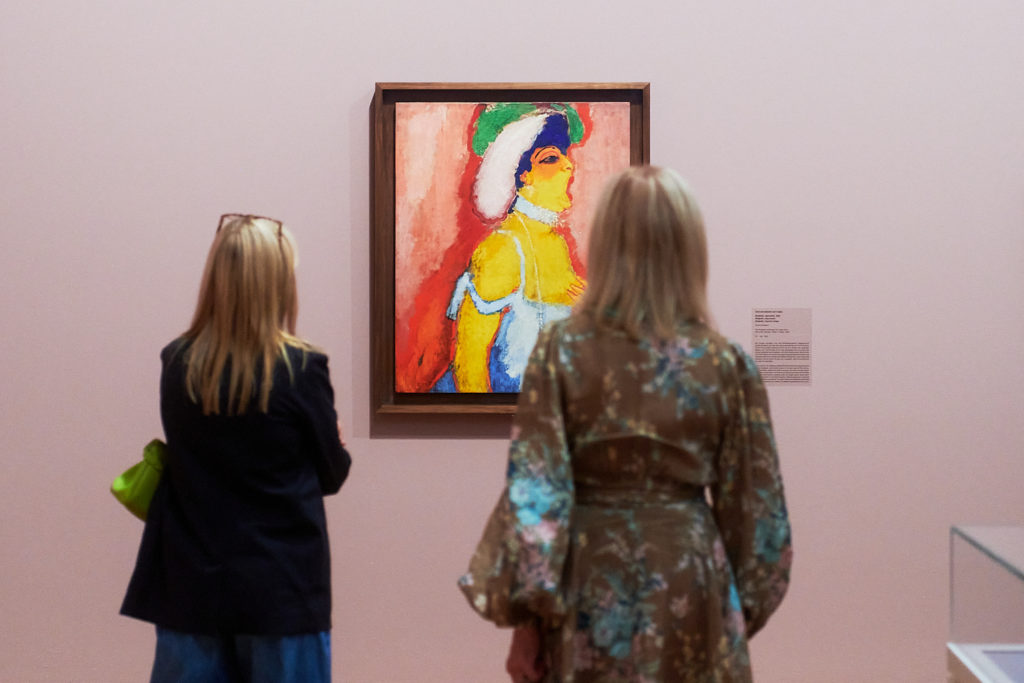
The Kunstmuseum Basel and the Fondation Pierre Gianadda are decked out for the winter in the same garish colors, those of the group of painters who earned the label «fauves» in Paris in 1905. Both exhibitions run until January 21, 2024.
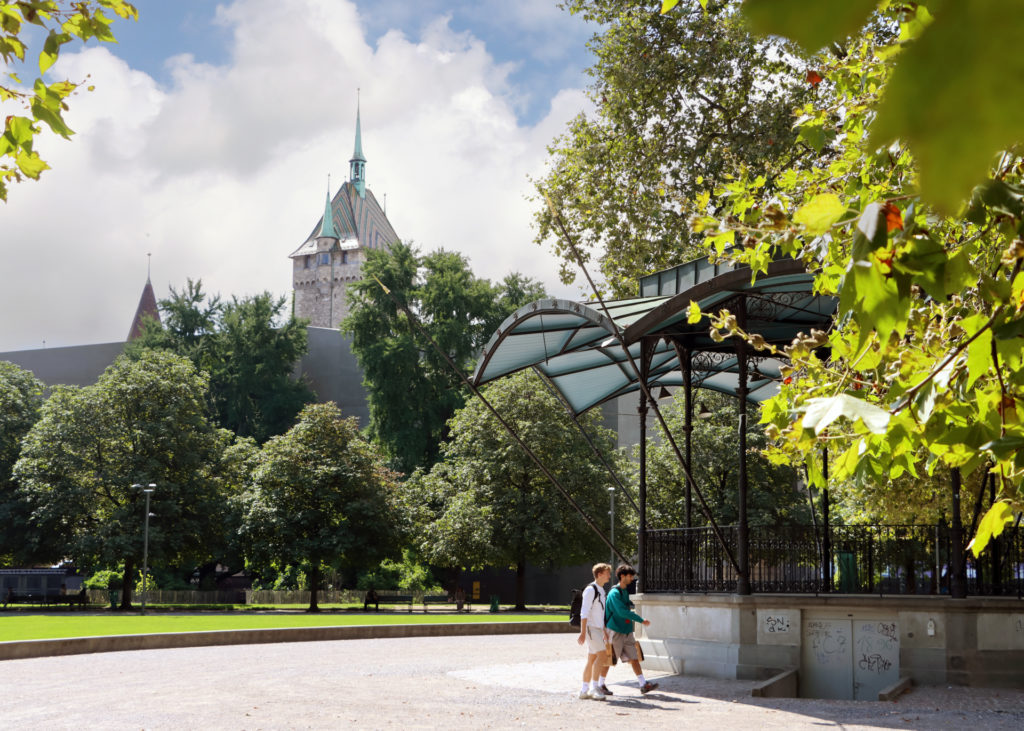
In 1992, Zurich closed Platzspitz Park, which, in the shadow of the Swiss National Museum, had become a filthy hotbed of depravity, violence, and drug overdoses.
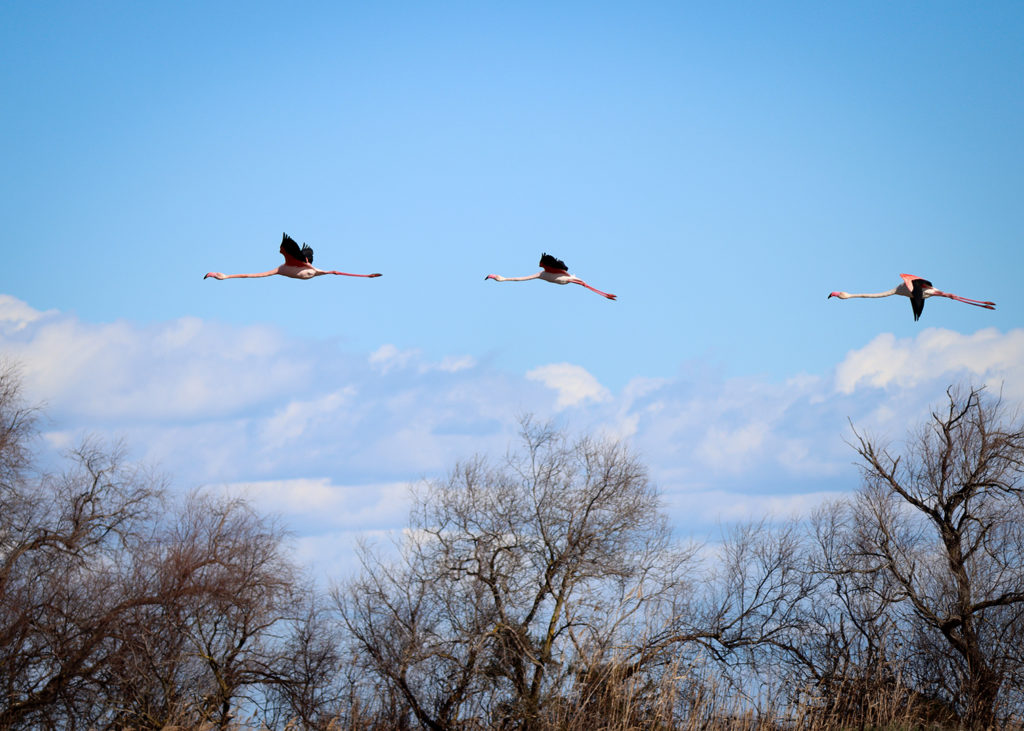
At certain times of the year, homo touristicus has a tendency, despite his good ecological resolutions, to fly off to seek the sun elsewhere. This astonishing biped sometimes seeks solitude, but more often finds itself in tightly packed flocks wading in the water of its favorite pond. Just like the phoenicopterus roseus, a partial migrant better known as the pink flamingo. Images taken at the Parc ornithologique du Pont de Gau, Camargue.




 French
  German
  English