




«Gone with the wind», and the earth remains
Cinema Wednesdays - Special edition: Love in the movies - Loris S. Musumeci
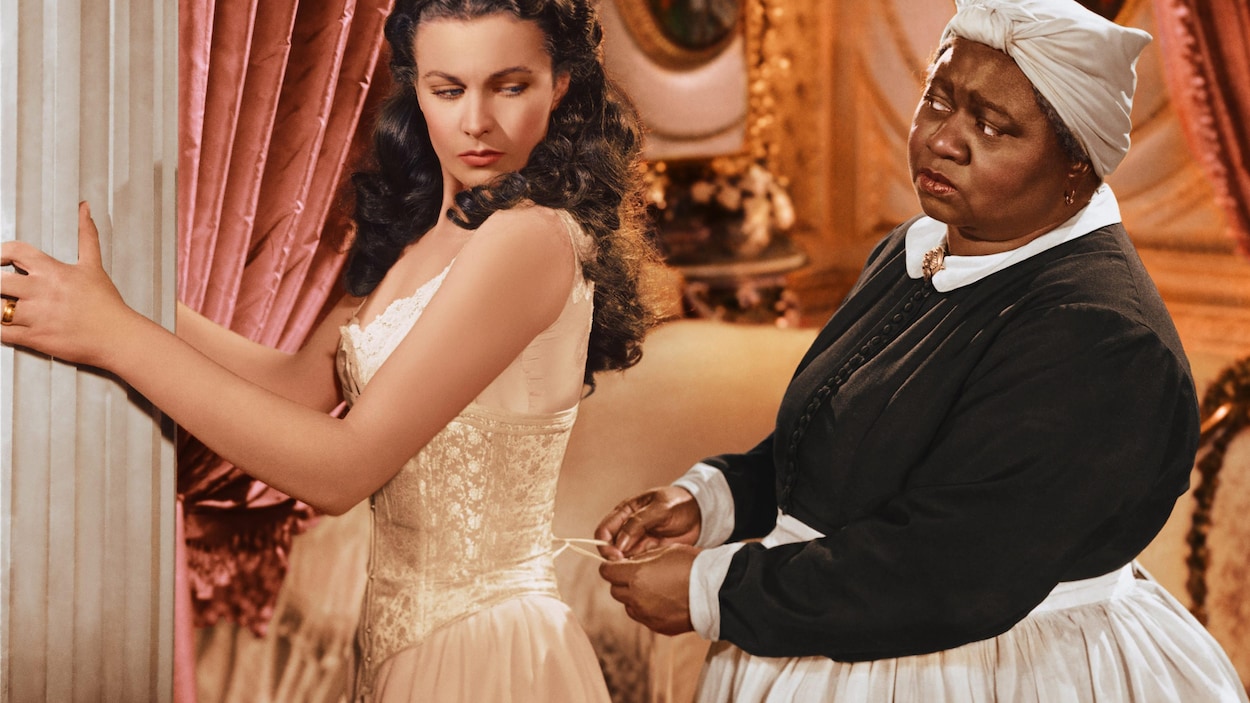
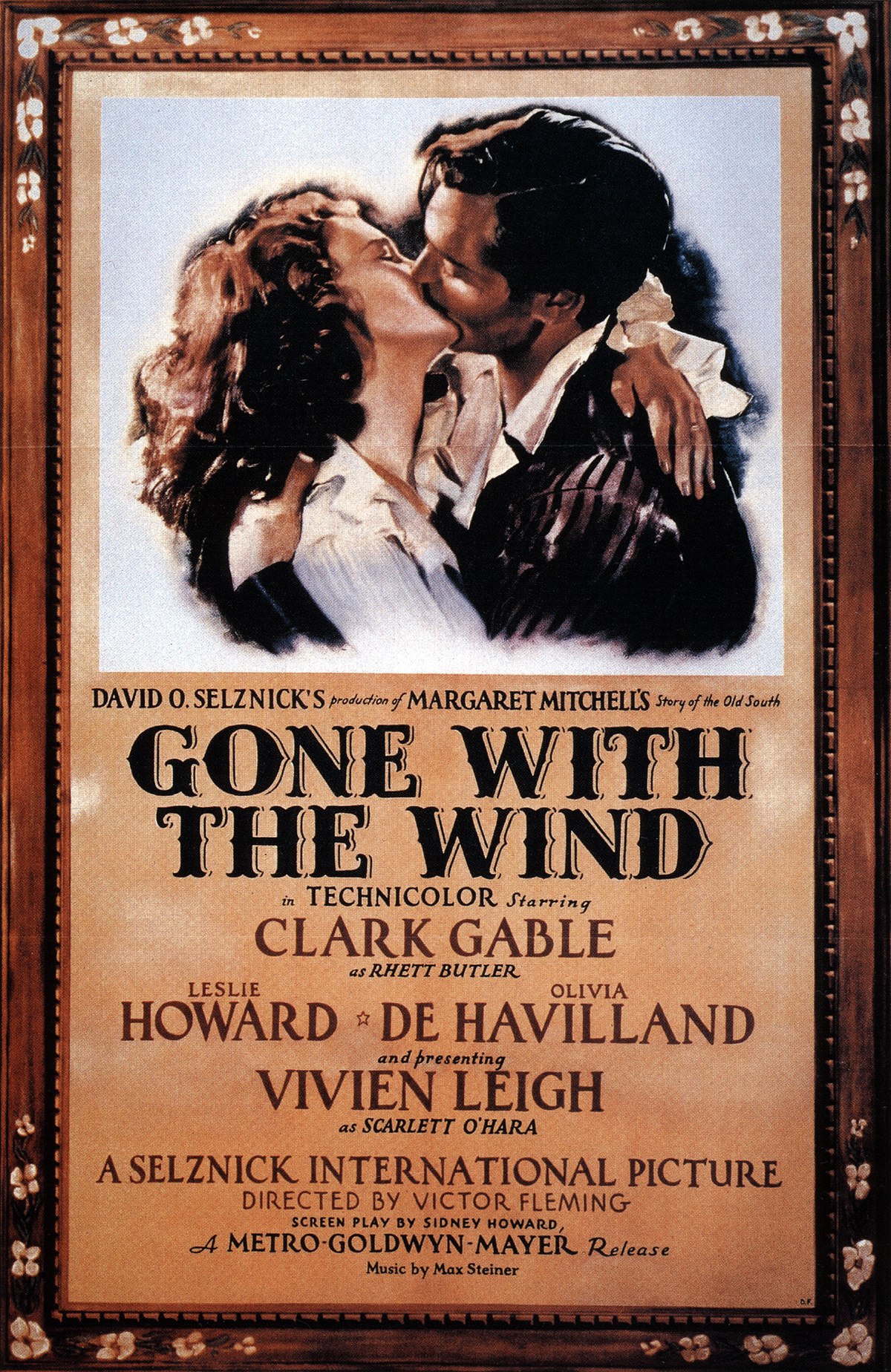
Adapted from the novel of the same name by Margaret Mitchell, Gone with the wind (Gone with the wind) was a hit when it was released in 1939. Today, it remains one of the greatest films in cinema history. Four glorious hours of epic (and very) feature film, in searing colors, with Max Steiner's grandiose score and dazzling, cult lines, recount the end of a world that, despite everything, leaves an unceasing wind of nostalgia in the American sky.
«The end is coming. The end of the war. And the end of our world.»
A love story, an American story
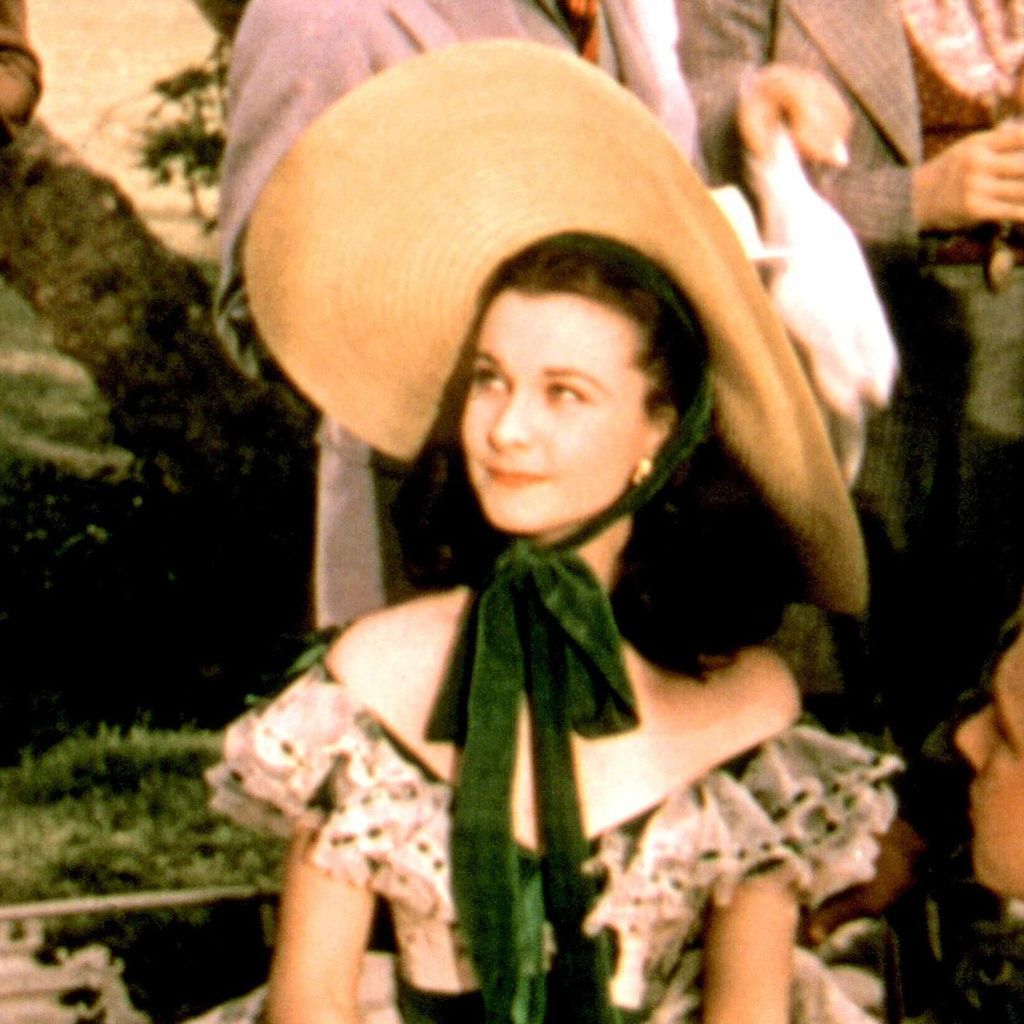
Tara Estate. In a proud Georgia as Southern as it is Confederate. 1861. We're with Scarlett O'Hara on the eve of Abraham Lincoln's declaration of the bloody American Civil War. Sixteen years old, she dreams of getting married. All the handsome boys from Georgia's good families are courting her. Except one, Ashley Wilkes, who, just as much in love with her as the others, sticks to his promise of marriage to his cousin Melanie Hamilton. But Scarlett, selective, manipulative and capricious, only wants Ashley. The Wilkes family throws a party the next day, to which the O'Haras are obviously invited. It's the perfect opportunity to declare his love for her. He can't resist.
However, he resists the first advances. Especially as he plans to announce his forthcoming marriage to the good and virtuous Melanie at the reception. Before the damage is done, Scarlett lures Ashley into a drawing room where they can finally be alone. She tells him how much she loves him, and he wavers, but holds on to his honor. Rhett Butler, a maverick, dandyish, totally chic belladonna, has heard it all; he gently mocks Scarlett. Humiliated, she declares her hatred for him as if declaring war. He's already fallen for her. They part, her screaming, him laughing.
Ashley épousera Mélanie, c’est annoncé devant tout le monde. Le soir même de la réception, la guerre est déclarée. Mélanie et Ashley avancent par conséquent le mariage. Scarlett, folle de jalousie, séduit le frère de Mélanie, bêtement fier de lui, et ils se marient aussi. Les hommes partent au front. Scarlett est aussitôt veuve; ça ne la dérange pas, elle n’a vu son mari que deux fois, et c’est Ashley qu’elle aime. La guerre continue et va de mal en pis pour les sudistes. Scarlett rejoint Mélanie, qu’elle estime malgré la jalousie, à Atlanta. Les deux femmes n’espèrent qu’une chose: qu’Ashley leur revienne. Quand la guerre est finie, c’est la misère et la soumission pour le Sud vaincu. Famine.
Scarlett, with the strongest character of all, takes over the family reins. In debt, she returns to that vulgar Rhett Butler, whom she had rebuffed every time she approached the salon during the war. She never forgot that he had helped her flee Atlanta just before the end of the war. By marrying him, she'll become rich and finally satisfy this poor man's heart. But Scarlett's heart is still set on Ashley, or so she thinks. Rhett's jealousy is over. So much so that he no longer sees Scarlett's expressions of affection. It's a love tragedy waiting to explode.
«Our life has been one cruel misunderstanding.»
Political warfare and the war of hearts
Gone with the wind tells the story of two wars: the American Civil War and the war of misunderstood hearts. In the end, these two wars become one in the film. So much do they influence the narrative of one and the other respectively. Ultimately, the accumulation of misunderstandings in love can be compared to war at its most absurd. «At the end of a war, you don't really know what you fought for.»
Divided into four periods, in four shades of color, the film is really all about these two wars. But it speaks of them from every angle. In this way, the film is an epic and a cultural foundation for the history of the United States of America. The first period, with its clear blue skies and verdant lands, tells the story of an American dream: the prosperity of migrants arriving in generous lands.
The second period is dominated by the bright red of fire, blood and war. It exposes the misery of women and children who see everything burn before their eyes, while men gradually make them all widows or orphans. This is the film's most brilliant period for photography. The red sky reflected in its equally red earth reflects not just misery and self-pity, but the will to fight, and to pull through at all costs. A tribute to the strength of the pioneers who made America, at least for a few decades, a painful paradise, but a paradise nonetheless.
Then there's the post-war period, in which the red of the desire to resist fades. It's dominated by a dry, bloody brown. Strength doesn't exclude the pain of standing up. And still in this third period, it's back to light tones. Wealth for Scarlett, who married Rhett. Tara's estate is going strong. The couple moves with part of the family to Atlanta to expand their business.
Et c’est la quatrième période qui gronde dans le noir. L’instabilité amoureuse crée à son tour une misère insoutenable. Scarlett ne voit pas qu’elle aime Rhett. Rhett ne voit pas qu’il aimé de Scarlett. La tragédie grecque devient tragédie américaine, et tragédie universelle. La passion est mauvaise conseillère. Elle brouille tout le monde. Elle tue, d’une manière différente que celle à laquelle le spectateur s’attendrait, mais d’une manière bien plus réaliste. Quand l’espoir des réussites finit par se taire, c’est le rouge qui revient pour la dernière scène. Un rouge du ciel qui se reflète toujours dans la terre. La terre, cette seule exactitude. L’unique certitude. Le seul compagnon. La terre qui demeure après les guerres. A chaque nouvelle civilisation, qui sera à son tour emportée par le vent.
«All this exists now only in dreams. The wind has blown this civilization away.»
Write to the author: [email protected]
Photo credit: © Warner Bros
You'll also like




 French
  German
  English
Leave a comment