



«Les Cinq Diables»: looking beyond the tip of your nose
The Five Devils
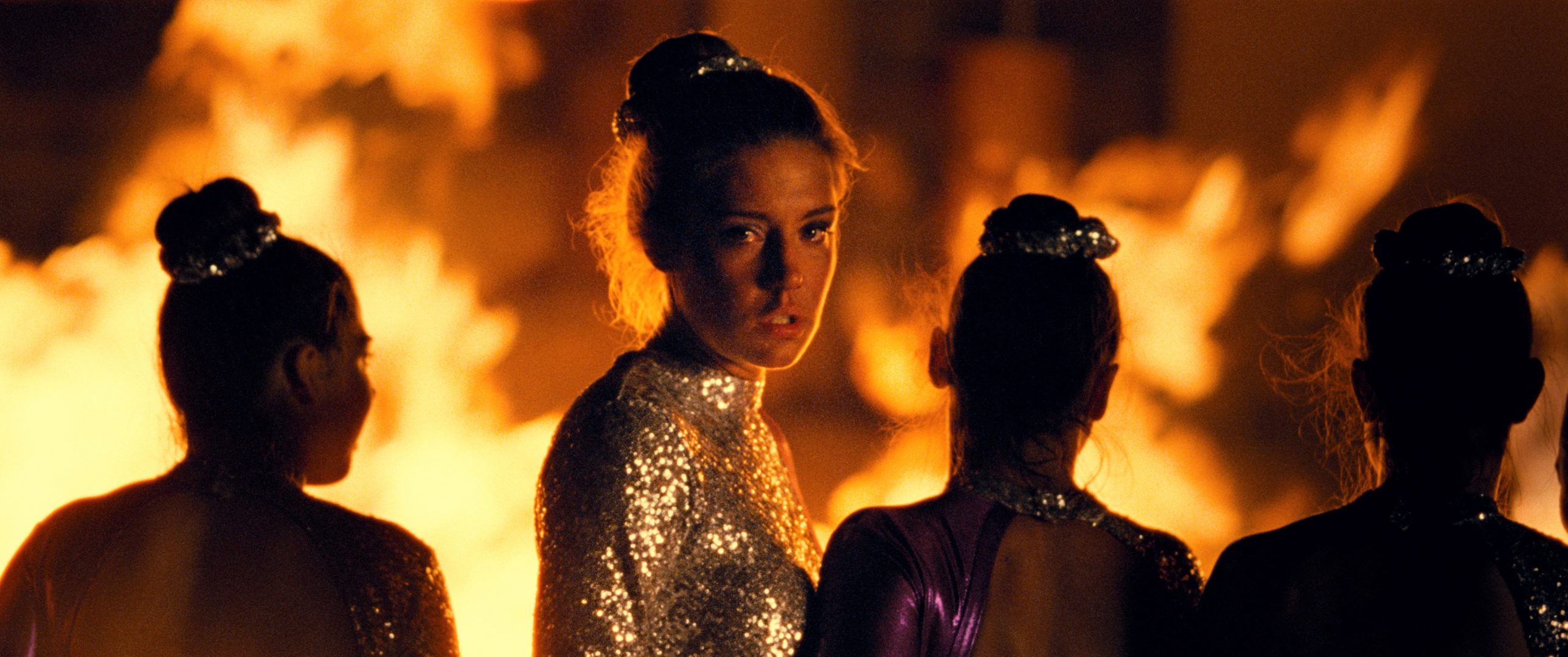
Unveiled in May at the Cannes Film Festival’s “Quinzaine,”, The Five Devils is named after the sports center that serves as the focal point of its convoluted temporal twists and turns. A film that explores sexual freedom and the mystery of existence through the lens of a unique form of voyeurism. A must-see.
Joanne (Adèle Exarchopoulos) is not what you would call a loving mother. She is the very opposite of the admiration—even veneration—that her daughter Vicky feels for her in return. This feeling is so strong that, among the collection of scents Vicky has captured in jars, those belonging to Joanne hold a special place. Yes, because Vicky has a highly developed sense of smell—and no doubt a somewhat strange sixth sense as well. By opening one of the jars in which she captures the scents of things and people, she is able to witness past events. A gift that will give rise to revelations as crucial as they are cruel about her parents and her aunt Julia (Swala Emati), an alcoholic and a desperate woman who has just come to stay with them for a while.
The story unfolds in a gloomy atmosphere from beginning to end. It’s a bizarre and uncertain world that exudes a deep sense of sadness, matched only by the dreary weather of the Isère Valley, where the film is set. While the countryside echoes with the songs by Paolo Conte, the province weeps in this masterful, subtle work by Léa Mysius. The director and screenwriter, who has worked on The Ghosts of Ishmael or Roubaix, a light She also confirms that she wanted to establish The Five Devils in this particular small mountain village. «I like to film France in a way you don’t often see in movies,» she says. It’s the ideal setting for a feature film of unexpected depth, blending the personal with the social and modesty with horror.
It all comes down to nothing
Beyond the perfectly masterful acting, every element of the screenplay is subtly woven into the narrative, contributing to a coherence that becomes clear only at the end. One of the plot’s key scenes is highly symbolic: when Joanne, while driving, narrowly avoids hitting her daughter as she runs across the street, it foreshadows the daughter’s existential questioning. This wordless action, in a way, anticipates the dialogue: «Did you love me before I existed?» Vicky will ask her mother. «If you hadn’t married Mom, would I exist?» she’ll ask her father, heart-wrenchingly, a few scenes later. If the void that follows death is a revolting hypothesis, why shouldn’t the void that precedes birth be just as revolting?
What Vicky discovers in the film is a reality that has, to a greater or lesser extent, affected us all at some point: so many things in life hang by a thread. Without revealing the nature of the memories Vicky was able to access, let’s just say that they illustrate the incredible and fragile butterfly effect that arises between the choices individuals make at a given moment and the arrival of a new person on Earth later on. If one person hadn’t done or said that, another wouldn’t be here today to reflect on it. Similarly, our current actions are not only potential memories but may also be judged in the future by people not yet born—a sort of reverse ghost. There’s something chilling about it. The film conveys this well by plunging us directly into the flames.
Write to the author: [email protected]
You've just read an open-access article. Debates, analysis, cultural news: subscribe to support us and get access to all our content!


You'll also like

 French
  German
  English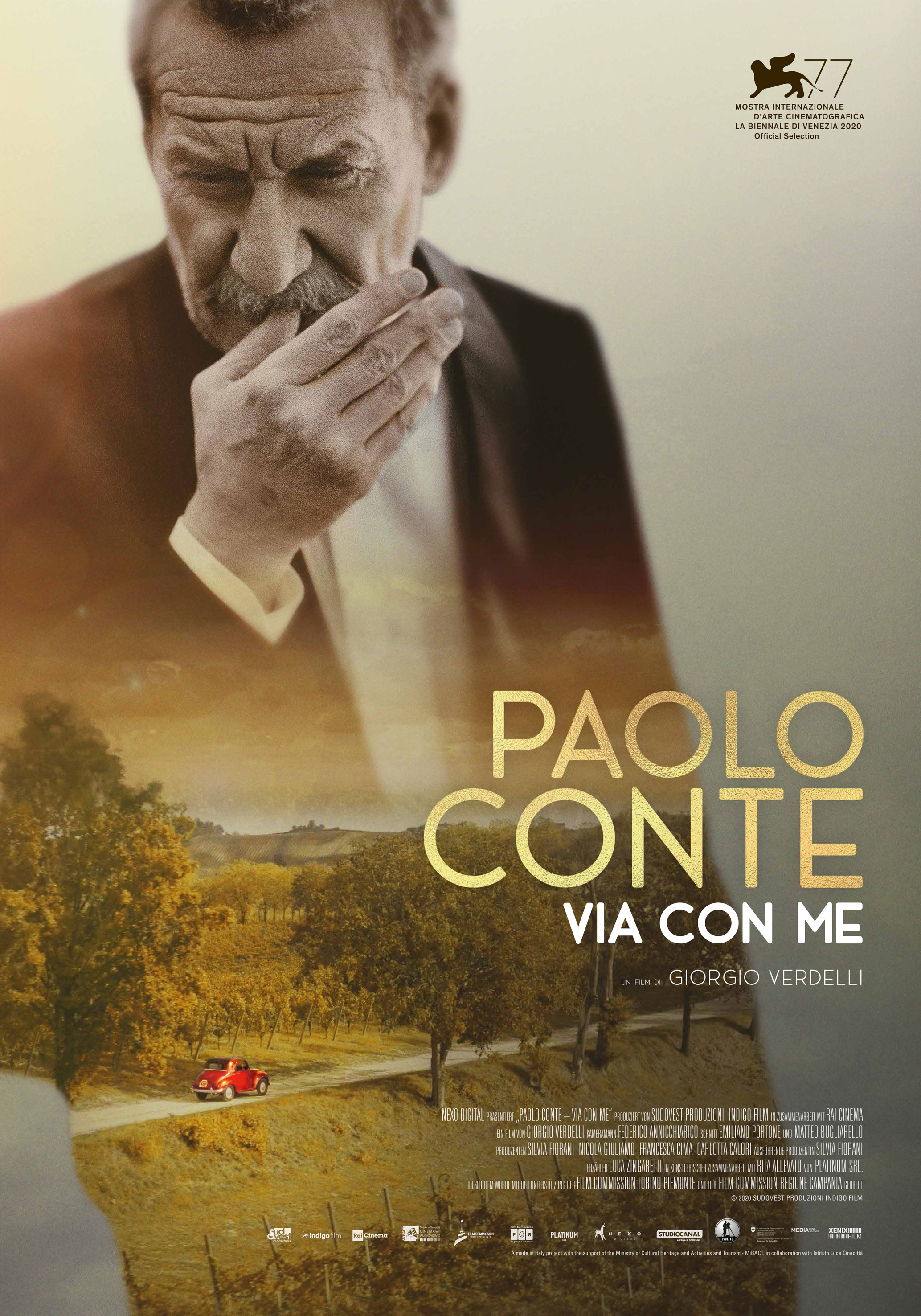
Leave a comment